Guide to Singapore's HDB flats and resale market. Learn how 80% of residents access public housing, resale prices in Bishan and Toa Payoh, and HDB vs private condo differences.
This article was generated by AI from the linked public sources. The Daily Singapore is independently owned and covers Singapore news free from advertiser or sponsor influence. Read our editorial standards →
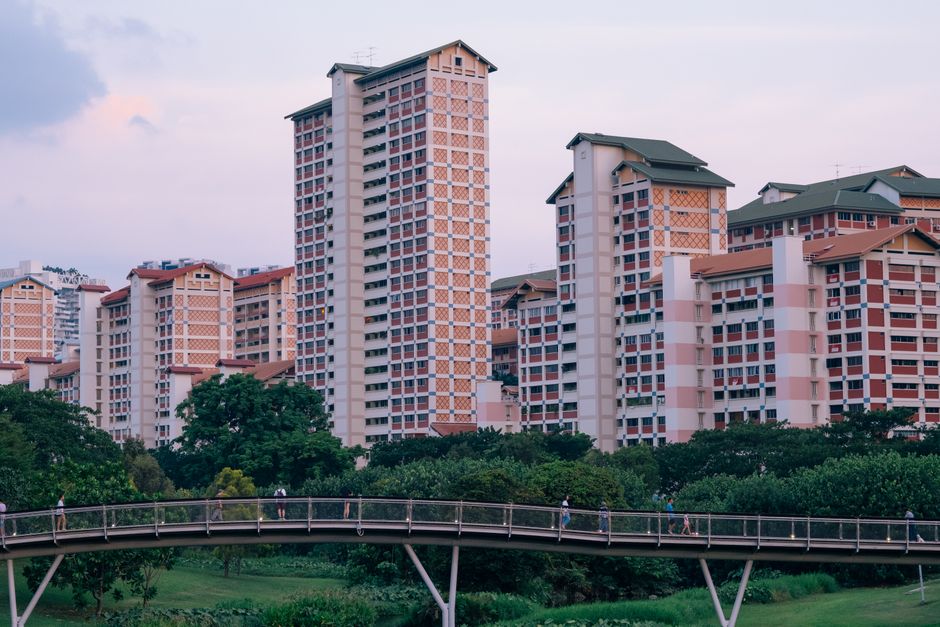
Singapore's approach to housing is largely unlike any other city of its size. The Housing Development Board (HDB), established in 1960, has built and manages a public housing programme that accommodates around 80 percent of the city-state's resident population. These flats are sold on 99-year leasehold terms and can be resold on the open market after a minimum occupation period.
HDB Resale Market
The HDB resale market allows buyers who have passed the minimum occupation period to sell their flats to eligible buyers. Prices in popular mature estates such as Queenstown, Bishan and Toa Payoh have risen significantly over the past decade, with some larger resale flats commanding over one million Singapore dollars. The government applies cooling measures when prices rise too quickly, including additional stamp duties and loan-to-value restrictions.
Private Property
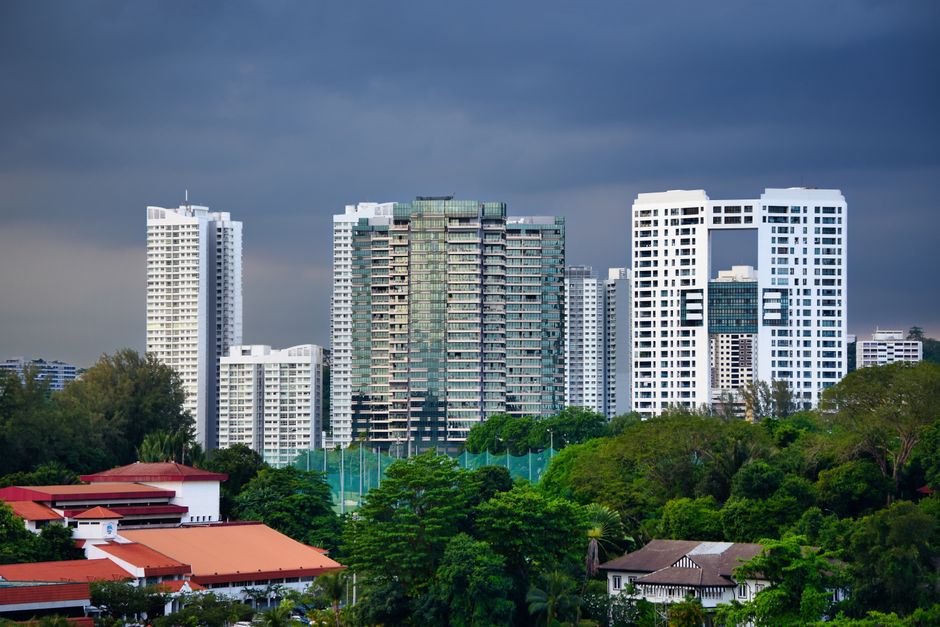
Private condominiums and landed houses make up the remaining share of Singapore's residential market. Foreign buyers face an Additional Buyer's Stamp Duty of 60 percent, introduced in 2023, which has dampened foreign investment. Prices per square foot in the central region remain among the highest in Asia.
Renting
Expatriates and those ineligible for HDB typically rent private condominiums. Rental prices spiked sharply after the COVID-19 pandemic as supply tightened and expatriate demand recovered. The market has since moderated somewhat, though costs remain elevated in the core central region.
Covering community in Singapore. This article was generated by AI from the linked sources and was not reviewed by a human editor before publishing. See our editorial standards.