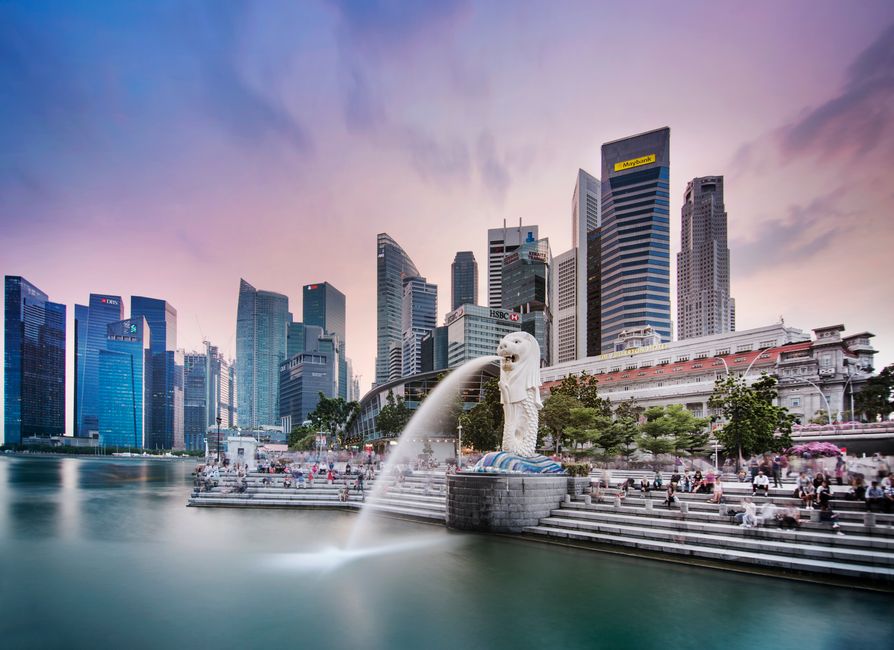
Singapore's tourism sector is sending unmistakable signals to investors and policymakers alike. Visitor arrivals crossed 18.7 million in 2025—a 12 per cent jump from the previous year—yet the real story lies deeper in the economic data that explains why this matters for the broader economy.
Hotel occupancy rates across Marina Bay and Orchard Road corridors have stabilised at 89 per cent, according to industry trackers, commanding average room rates of SGD 280 per night. This consistency attracts capital: international hotel operators have committed over SGD 2.1 billion in new luxury properties and renovations island-wide. The InterContinental group's announced expansion at Bugis Junction and the upcoming Rosewood property near Sentosa Cove signal confidence in sustained demand.
What economists call the "tourism multiplier effect" amplifies these headline numbers. Every dollar a visitor spends ripples through the economy—from hawker stalls in Tanjong Pagar to luxury retailers on Ngee Ann City's upper floors. The Singapore Tourism Board estimates that tourism contributes approximately 4 per cent of GDP and supports roughly 180,000 jobs. But investment flows tell a more nuanced story.
Capital inflows into hospitality infrastructure rose 34 per cent year-on-year, with Asia-Pacific investors now representing 58 per cent of new tourism-related ventures. This shift reflects regional wealth creation and confidence in Singapore's position as a visitor hub post-pandemic recovery. Simultaneously, demand for F&B establishments and experiential attractions—think upgraded venues along Clarke Quay and new rooftop concepts in the CBD—has driven real estate leasing activity in prime districts.
Currency movements also matter. The strengthening Singapore dollar has made visits costlier for some markets, yet high-spending visitor cohorts from China, India, and Australia remain robust. Average daily spend per visitor reached SGD 1,240 in Q1 2026, up 8 per cent from the same period last year. This premium-visitor trend justifies capital-intensive investments in luxury experiences rather than volume-focused budget accommodation.
The STB's targeted marketing spend of SGD 162 million annually—focused on long-haul markets and high-yield segments—demonstrates how public investment catalyses private sector activity. Each dollar of promotional spending generates approximately SGD 8.40 in visitor spending, a multiplier that attracts institutional capital to the sector.
For investors monitoring Singapore's economy, tourism metrics transcend mere headcounts. Occupancy rates, average room rates, visitor spend patterns, and capital commitments collectively signal health across retail, F&B, transport, and real estate sectors. As geopolitical uncertainties cloud global travel, Singapore's diversified visitor base and consistent fundamentals remain compelling.
This article was compiled by AI from the sources linked above and screened before publishing. See our editorial standards.