The past week has brought fresh reminders that Singapore's economy, despite its insularity, remains deeply enmeshed in global currents. From Venezuela's humanitarian crisis to escalating Iran-U.S. tensions and Pakistan-Afghanistan border violence, international instability is already translating into tangible consequences for Singapore's business sector.
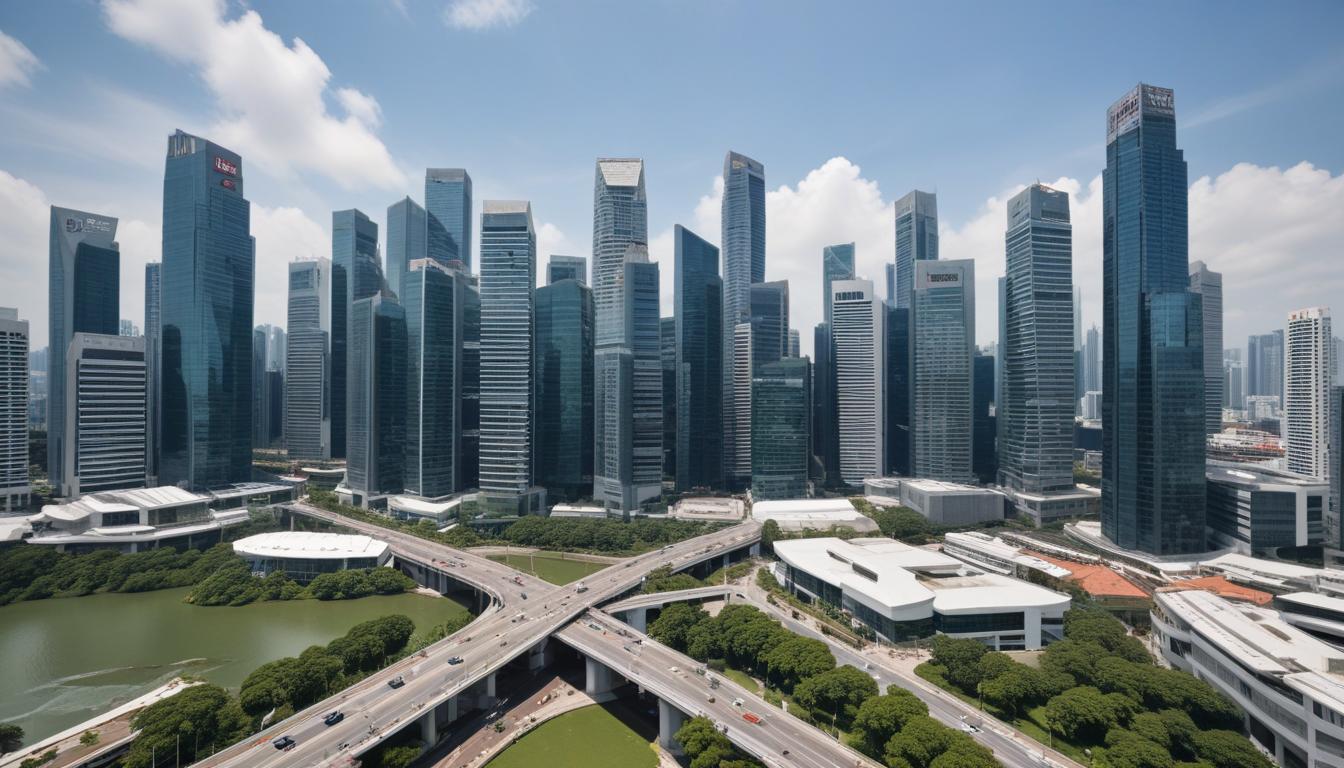
For many Singapore enterprises with exposure to emerging markets, the calculus has shifted markedly. Companies operating in the financial technology and trade sectors—particularly those with offices clustered around the Marina Bay financial district and Raffles Place—are reassessing credit lines and reviewing counterparty risks across Latin America and the Middle East. The Venezuelan aftershock and ongoing political deterioration underscore the fragility of regional supply chains that Singapore companies rely on, from oil pricing mechanisms to agricultural commodity costs.
The impact ripples down to street level. Retailers along Orchard Road and hawker operators throughout HDB heartlands are already sensing pressure on margins. Rising energy costs driven by Middle East tensions translate to higher transport and refrigeration expenses. A plate of chicken rice at a typical Tiong Bahru hawker stall, which averaged S$3.50 last year, is nudging toward S$4 as input costs climb. For F&B operators, already operating on thin margins of 10-15 percent, this represents genuine strain.
Commercial property markets are reflecting investor anxiety too. While Singapore's institutional real estate remains robust, smaller business owners seeking shop space in secondary locations—such as Tanjong Pagar and Joo Chiat—report landlords becoming more cautious, requesting longer lease commitments and deposits. This defensive posture mirrors broader capital retrenchment as investors worldwide reassess risk exposure.
The emerging market volatility is also reshaping Singapore's role as a regional hub. Multinational corporations traditionally used Singapore as a base for Southeast Asian and South Asian operations. Recent geopolitical friction in Pakistan and Afghanistan adds another layer of complexity for companies managing supply chains across the subcontinent.
Meanwhile, Singapore's financial institutions and wealth management firms—the lifeblood of the CBD ecosystem—are experiencing renewed demand for portfolio diversification strategies. High-net-worth individuals and family offices are hedging against volatility by rebalancing away from geopolitically exposed assets toward Singapore-domiciled vehicles and Singapore dollar positions.
For the ordinary Singaporean, the message is less dramatic but no less real: cost of living pressures will likely persist, and business investment decisions will remain cautious. Singapore's business leaders know the city-state cannot insulate itself from global turbulence. What they can do is adapt quickly—and that adaptation is already underway across the island's commercial corridors.
This article was compiled by AI from the sources linked above and screened before publishing. See our editorial standards.