Venture capital investment into Singapore-based startups fell to roughly S$4.1 billion in the first half of 2026, down nearly 22 percent from the same period last year, according to figures compiled by DealStreetAsia released last week. The drop is the sharpest six-month contraction the city-state's startup sector has recorded since the post-pandemic correction of 2022, and it is forcing founders, incubators and government agencies alike to recalibrate.
The timing is uncomfortable. Singapore has spent the better part of a decade positioning itself as Southeast Asia's pre-eminent innovation hub, funnelling billions through programs such as Enterprise Singapore's Startup SG grants and the National Research Foundation's Early Stage Venture Fund. That scaffolding still stands, but the private capital that was supposed to take over from public funding has not shown up in the volumes anyone projected. Meanwhile, the global backdrop — a prolonged war in Ukraine disrupting supply chains, gas shortages in Russia rattling commodity markets, and political uncertainty following the death of Iran's supreme leader — has made international limited partners more cautious about deploying fresh capital into emerging-market tech bets.
One-North Feels the Squeeze
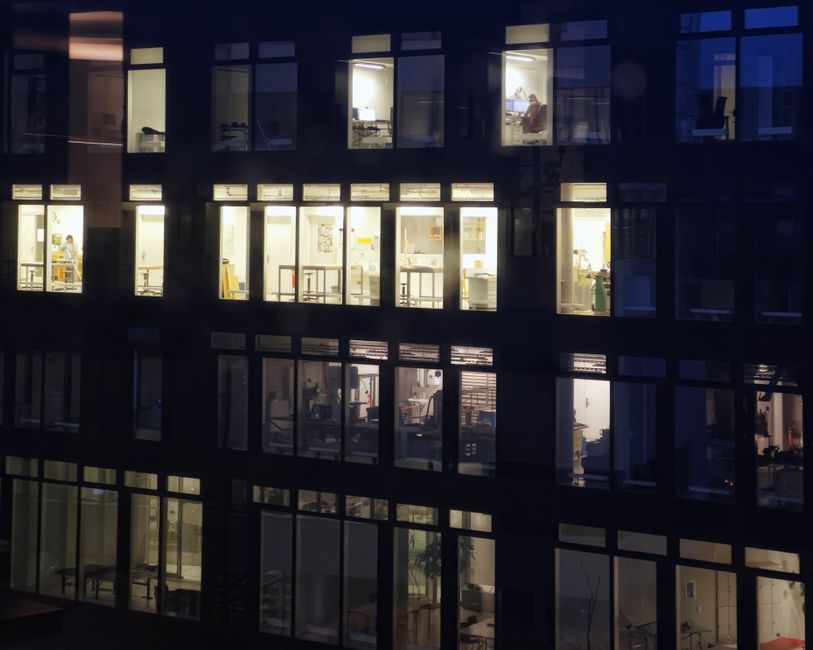
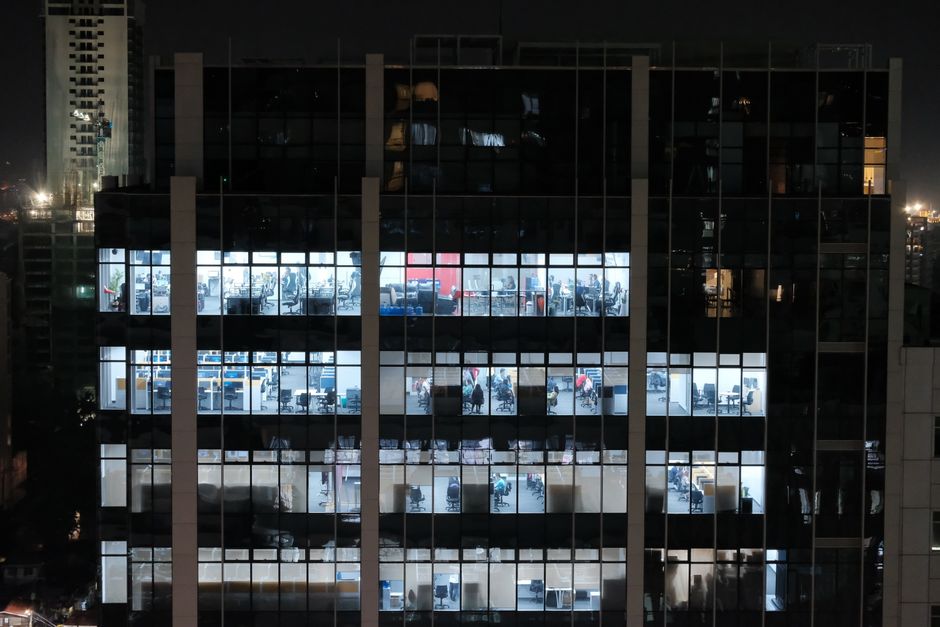
Walk through Fusionopolis or Biopolis on Ayer Rajah Avenue on a weekday afternoon and the usual buzz is thinner than it was 18 months ago. Several suites at Fusionopolis Two that were occupied by Series A health-tech firms in late 2024 sat empty as of June 2026. JTC Corporation, which manages the one-north precinct, confirmed vacancy rates across its innovation clusters have edged up to around 8.4 percent — modest by global standards, but a notable shift for a campus that was effectively full as recently as mid-2023.
The pressure is not confined to one-north. At Block 71, the nine-storey converted factory on Ayer Rajah Crescent that became synonymous with Singapore's startup scene, subleases are being listed at discounts of 15 to 20 percent below headline rents. Startup founders who spoke to The Daily Singapore on background described a mood that is cautious rather than panicked — but cautious in a way that is delaying hiring decisions and product launches by quarters, not weeks.
Enterprise Singapore launched a refreshed Startup SG Founder grant earlier this year, bumping the co-matching cap to S$50,000 per recipient, but critics say that amount barely covers three months of runway for a two-person team operating in a city where a single desk at a co-working space in the Central Business District runs S$800 to S$1,200 a month. The gap between what public grants offer and what it actually costs to build a company here has never been more visible.
Capital Discipline Becomes the Watchword
Investors are not walking away, but they are writing smaller cheques and taking longer to close. The average time from first meeting to term sheet among Singapore-focused venture funds stretched to 14 weeks in the first quarter of 2026, up from nine weeks in the same period of 2024, according to data from the Singapore Venture and Private Capital Association. Pre-money valuations for Seed-stage rounds have compressed by roughly 30 percent compared with the peak of 2021, which is painful for founders who raised bridge notes against those higher benchmarks.
The sectors feeling the most acute pain are consumer fintech and e-commerce enablement, both of which benefited from pandemic-era tailwinds that have long since faded. Deep-tech plays — particularly those tied to semiconductor design and advanced manufacturing, areas Singapore has explicitly targeted through the Research, Innovation and Enterprise 2025 plan — are holding up somewhat better, partly because government procurement provides a floor under revenues.
For founders navigating the next two quarters, the practical calculus is grim but legible: extend runway by cutting burn, prioritise revenue over growth metrics, and treat any Singapore Economic Development Board-linked co-investment scheme as genuine capital rather than a consolation prize. Investors say the cohort that survives this correction will emerge with unit economics that actually work — companies built for a world where cheap capital is no longer the default. That is cold comfort right now, but it is the market Singapore's founders are operating in.