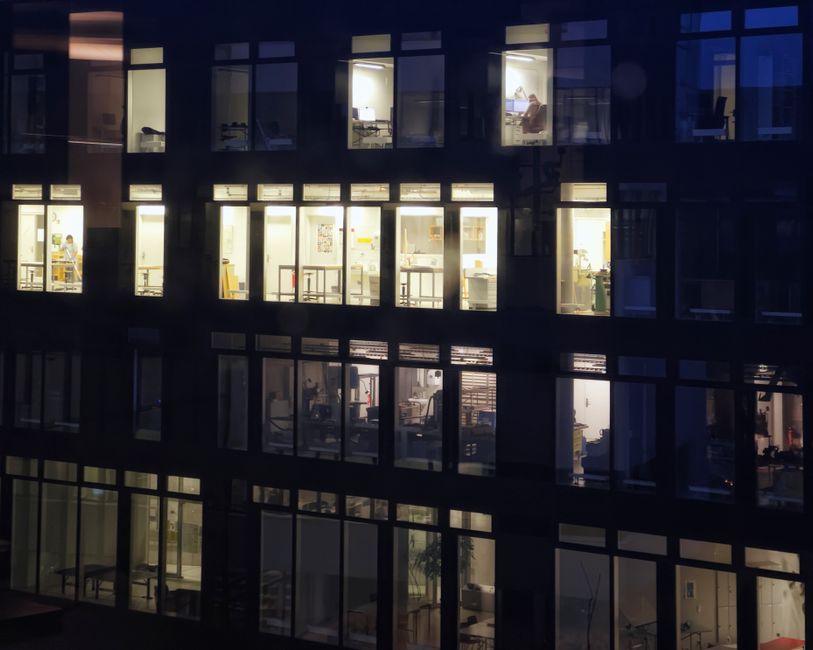
Singapore's unemployment rate held at 2.1 percent through the first quarter of 2026, but beneath that headline number, hiring managers across the Central Business District are describing something more cautious than the number implies — slower offer cycles, trimmed headcounts, and a growing preference for contract roles over permanent ones.
The timing matters. The global picture this July is unusually unsettled. Iran is managing a succession crisis following Ayatollah Khamenei's death, with fissures among senior clerics now visible even at the funeral in Tehran. Peru has just installed Keiko Fujimori after a weeks-long count dispute. American consumers are dealing with extreme heat that has disrupted retail and tourism spending from Washington D.C. to Philadelphia. Each of those storylines has a direct feedback loop into the Singapore economy, which runs on trade, financial services, and the confidence of multinationals to keep their Asia-Pacific headquarters here.
What Global Headwinds Actually Mean on Robinson Road
The professional services corridor along Robinson Road and Cecil Street — home to regional offices for asset managers, law firms, and trading houses — has seen a measurable slowdown in mid-senior lateral hires since April. Recruitment firm Michael Page, which operates a large desk out of its Singapore office on Raffles Place, reported in its June outlook that financial services and energy-sector mandates were down roughly 18 percent year-on-year in the city-state. The Middle East instability is a specific factor: several commodity trading desks that price physical crude through Singapore have paused headcount expansion pending clearer signals on Iranian supply.
The Singapore Economic Development Board has been pushing back with its own pipeline. The EDB's Financial Sector Incentive scheme, renewed in January 2026, is dangling concessionary tax rates — some as low as 10 percent on qualifying income — at fund managers and insurance groups willing to anchor substantive operations here. At least three European asset management groups have responded with small but visible moves into Marina Bay Financial Centre over the past six months, occupying floors that had been vacant since 2024.
Meanwhile, at the other end of the employment spectrum, the SkillsFuture Mid-Career Enhanced Subsidy — which covers up to 90 percent of course fees for Singaporeans aged 40 and above — has seen enrolment tick up 23 percent in 2026's first half compared to the same period last year. Courses in data analytics, cybersecurity, and AI operations management are particularly oversubscribed at institutions such as Nanyang Polytechnic in Ang Mo Kio. That pattern historically signals workers hedging against sector-specific vulnerability, even if outright retrenchment figures remain low.
Sectors Holding, Sectors Wobbling
Not everything is softening. The integrated resort corridor — covering Resorts World Sentosa and the Marina Bay Sands complex — continues to hire aggressively for hospitality and gaming operations roles, buoyed by strong inbound travel from Southeast Asia and a weaker Singapore dollar against regional currencies. The hospitality sector added an estimated 4,200 jobs in the first five months of 2026, according to the Ministry of Manpower's May flash estimates.
Tech is more mixed. The one-north cluster in Buona Vista still draws deep-pocketed players in semiconductor design and biomedical manufacturing, but software-focused firms — many of them regional arms of American companies dealing with domestic cost pressures — have been net shedders of headcount since late 2025.
For workers and businesses trying to plan the second half of 2026, the clearest practical move is diversification of client exposure. Firms with heavy concentration in American consumer-facing sectors or in Middle East energy contracts are the most exposed to the current moment. The MOM's enhanced Job Support Scheme, available through December 2026, provides some cushion for SMEs that keep workers on even through soft patches. Companies that use that window to retrain staff rather than simply wait out the turbulence will be better positioned when — and global conditions suggest it is genuinely uncertain when — the external environment stabilises.