Cost of Living in Singapore 2026: Australian Expat Guide
Singapore is Australia's preferred Asia-Pacific business base — world-class in quality and very high in cost. Here is what it actually costs to live in Singapore as an Australian expat in 2026.
Accommodation — Among Asia's Most Expensive
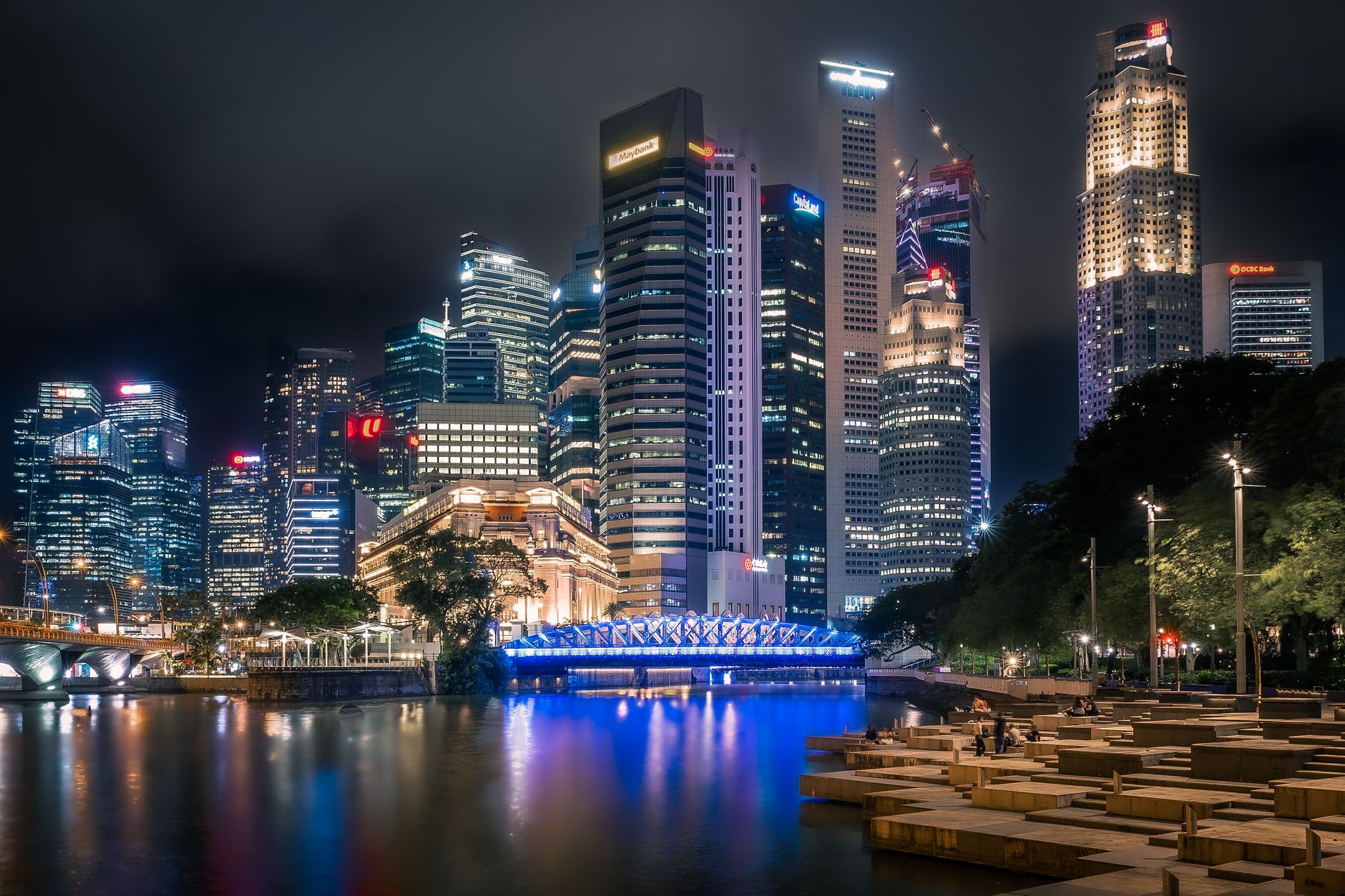
Singapore's residential market is one of Asia's most expensive and has risen very significantly since 2021. Most expats live in one of three categories: HDB flats (the government's Housing Development Board apartments, where foreigners can rent but not buy; approximately 80% of Singapore's population lives in HDB flats); private condominiums (the expat-standard, with pool, gym, and security); or Good Class Bungalows (GCBs, the prestigious detached houses in designated GCB areas, for very senior executives). A furnished 2-bedroom private condominium apartment in prime Districts 9, 10, and 11 (Orchard, Holland Village, Buona Vista, River Valley) costs approximately SGD 6,000-12,000 per month (approximately AUD 6,700-13,400 at 2026 rates). In Districts 15 and 16 (East Coast, Katong, Siglap — popular with Australian families for the international schools and beach proximity) SGD 5,000-9,000 per month for a 2-3 bedroom. In the newer Districts 1 and 2 (Marina Bay Financial Centre area) and District 4 (Keppel, HarbourFront), similar premium prices apply. The Singapore government's Additional Buyer's Stamp Duty (ABSD) of 60% for foreigners purchasing property makes buying essentially impractical; renting is the universal expat approach.
Singapore's Tax Regime
Singapore's income tax is one of the most competitive in Asia for high earners — progressive rates from 0% (on the first SGD 20,000) through 2%, 3.5%, 7%, 11.5%, 15%, 18%, 19%, 19.5%, 20%, to 22% (on income above SGD 1 million from 2024). The effective income tax rate for a senior professional earning SGD 300,000 per year is approximately 15-17%. Singapore has no capital gains tax, no inheritance tax, and no GST on residential property rental. The CPF (Central Provident Fund) mandatory retirement contribution applies to Singapore citizens and Permanent Residents (not Employment Pass holders); most Australian expats on Employment Pass visas are exempt from CPF contributions, which effectively increases take-home pay by approximately 20% versus equivalent salaries in Australia.
Groceries and Eating Out
Singapore's hawker centres — the government-subsidised open-air food courts that are UNESCO listed as Intangible Cultural Heritage — provide extraordinary value: hainanese chicken rice, laksa, char kway teow, nasi lemak, roti prata, bak chor mee (minced meat noodles), and satay at SGD 3-6 per dish. The hawker centre ecosystem means most Singaporeans (and savvy expats) eat two or three hawker meals per day. Western restaurants in Orchard and the CBD are expensive: SGD 30-60 for a casual meal, SGD 80-150 for dinner for two at a mid-range restaurant. Cold Storage, FairPrice, and Jason's Deli supermarkets stock Australian products extensively; a weekly grocery basket costs approximately SGD 150-250 (approximately AUD 170-280).
The Employment Pass
Australia's Employment Pass (EP) in Singapore requires a minimum monthly salary of SGD 5,000 (from September 2023) for most sectors, rising to SGD 5,500 for the financial services sector and higher thresholds for older applicants. The EP is the standard work authorisation for Australian professionals in Singapore; it is renewable every 1-2 years while employment continues. The Personalised Employment Pass (PEP) for high earners (minimum SGD 22,500 per month) provides greater flexibility as it is not tied to a specific employer.
Typical Monthly Budget for an Australian Expat in Singapore
A single Australian professional in a furnished 2-bedroom condo in District 15 (East Coast) should budget approximately AUD 9,000-14,000 per month: rent AUD 6,000-10,000, food (mix of hawker and restaurants) AUD 600-900, transport (MRT monthly pass + Grab) AUD 200-300, health insurance AUD 200-400, utilities AUD 200-300, entertainment AUD 600-1,000, personal expenses AUD 300-500. Singapore's low tax rate substantially improves the net position despite the very high gross costs.
This article was compiled by AI and screened before publishing. See our editorial standards.