From Bugis Backrooms to Global Runways: The Architects Behind Singapore's Fashion Revolution
Meet the designers, mentors and hustlers quietly reshaping Southeast Asia's creative economy from shophouses and shared studios.
3 min read
Meet the designers, mentors and hustlers quietly reshaping Southeast Asia's creative economy from shophouses and shared studios.
3 min read
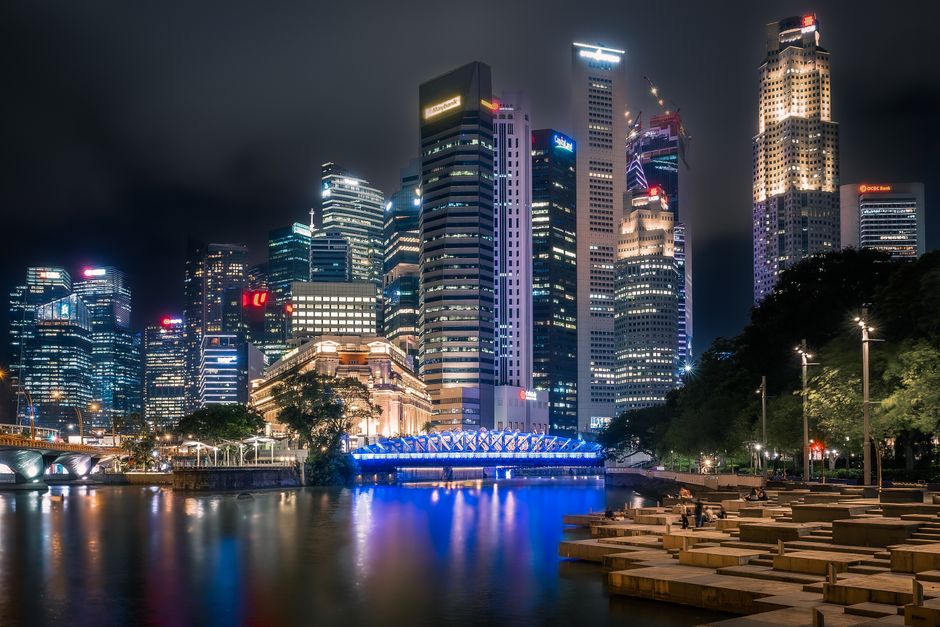
Walk down Haji Lane on a Saturday afternoon and you'll see the curated storefronts—vintage finds, zero-waste labels, experimental footwear. What you won't see is the network of makers operating from converted HDB flats in Tiong Bahru, rented studio spaces in Geylang, and makeshift ateliers tucked behind the glitz of Orchard Road.
Singapore's fashion design scene has undergone a quiet but seismic shift over the past five years. Where once young designers fled to London or New York to establish credentials, a growing cohort now chooses to stay—or return—building studios and collective spaces that have become incubators for Southeast Asian talent. According to the 2025 Singapore Creative Economy Report, the fashion and design sector contributed S$2.8 billion to the economy, with independent designers accounting for nearly 15 per cent of that figure.
The shift mirrors a broader pattern: mentorship networks like the Textile and Fashion Federation have expanded their programmes from 120 participants in 2020 to over 800 today. Young designers cite affordable studio rental in evolving neighbourhoods, proximity to fabric suppliers in Joo Chiat, and access to manufacturers across the region as critical advantages. The National Arts Council's design grants programme disbursed S$4.2 million in 2025, nearly double the 2022 allocation.
What distinguishes Singapore's emerging design community isn't just infrastructure but ethos. Many of the scene's catalysts—established designers who mentor newcomers, gallery owners who double as curators, and collaborative studio founders—deliberately eschew celebrity positioning. Instead, they've built spaces designed for cross-pollination: shared pattern-making facilities, group critique sessions, and collective showroom arrangements that distribute costs and visibility more equitably than traditional boutique models.
Consider the proliferation of design collectives in Keong Saik Road and nearby streets in the Tanjong Pagar Conservation Area. What started as a handful of independent labels operating from heritage shophouses has grown into a mini-ecosystem attracting foot traffic that rivals established shopping districts. These aren't flagship stores but intimate spaces where customers meet makers, watch work happen, and understand the logic behind pricing and production choices.
The ripple effects extend beyond fashion. These hubs have animated quieter neighbourhoods, attracted younger residents seeking creative community, and positioned Singapore as a destination for design tourism within Asia. Industry observers note that this decentralised, mentor-driven model contrasts sharply with the top-down approach that characterised earlier fashion initiatives.
As Singapore positions itself as a creative hub competing with Bangkok, Seoul, and Taipei, its fashion architecture—built not by institutions alone but by the designers themselves—may prove to be the most sustainable infrastructure of all.
This article was compiled by AI from the sources linked above and screened before publishing. See our editorial standards.
About this article
Published by The Daily Singapore
Spread the word
Daily brief
Free, in your inbox before 7am. Weekdays.
The Daily Network — local news across Australia