From Warehouse to Stage: The Visionaries Reshaping Singapore's Indie Theatre Scene
Meet the artists, producers and community builders quietly transforming neglected spaces across the island into thriving cultural hubs.
3 min read
Updated 3 h ago
Meet the artists, producers and community builders quietly transforming neglected spaces across the island into thriving cultural hubs.
3 min read
Updated 3 h ago
Walk down Pepin Road in Macpherson on any Thursday evening, and you'll find yourself outside a converted warehouse where experimental theatre is taking root. Inside, audiences of 80 to 150 people gather for works that rarely make it to the programming schedules of larger, state-funded venues—the kind of boundary-pushing performances that define a city's cultural edge.
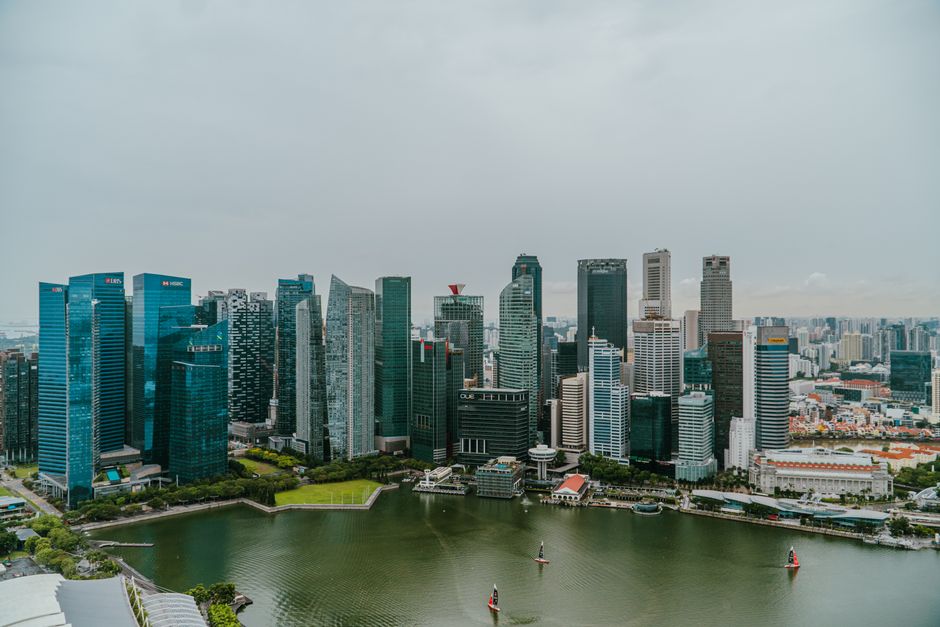
This is the reality behind Singapore's emerging independent theatre landscape, where a determined cadre of artists, producers and venue operators are creating infrastructure for stories that might otherwise go untold. Unlike the established ecosystem anchored by the Marina Bay area—home to Esplanade, the Drama Centre, and the Singapore National Theatre—these smaller operators are democratising access to performance spaces across overlooked neighbourhoods.
The numbers tell an important story. While Singapore's performing arts sector generated approximately $180 million in economic value in 2024, according to the National Arts Council, most resources have traditionally flowed to larger institutions. Independent venues operating in Geylang, Bukit Merah, and Tiong Bahru now account for nearly 200 productions annually—a figure that has tripled since 2020, driven largely by younger practitioners willing to invest personal capital into shared spaces.
What makes this movement distinctive is its emphasis on process over prestige. Rather than chasing critical validation or tourist dollars, many of these spaces prioritise developmental work, mentorship, and community engagement. Some charge entry fees as low as $8 to $12, deliberately pricing performances to reflect the financial reality of emerging artists and working-class Singaporeans.
The infrastructure challenges remain formidable. Securing affordable rental spaces in a city where commercial property commands premium prices forces producers to be creative—negotiating with landlords, sharing venues with visual artists, or operating in the interstices of the formal economy. Safety regulations, licensing requirements, and insurance add friction at every stage.
Yet this constraint has bred resilience. Producers have created informal networks, pooled resources, and developed co-programming arrangements that allow multiple theatre companies to share single venues. Some have pioneered digital documentation practices, creating archives of performances that might otherwise disappear from public record.
The cultural dividend is substantial. Audiences report experiencing work that reflects their lived realities—stories centred on migrant communities, queer narratives, and the anxieties of precarious work—performed by artists who share their neighbourhood. For a city often characterised as culturally risk-averse, these spaces represent something quietly revolutionary: permission to fail, to experiment, to belong.
As Singapore continues navigating its cultural identity in an increasingly globalised world, it is these unglamorous, persistent operators who are writing the city's most authentic contemporary story.
This article was compiled by AI from the sources linked above and screened before publishing. See our editorial standards.
About this article
Published by The Daily Singapore
Spread the word
Daily brief
Free, in your inbox before 7am. Weekdays.
The Daily Network — local news across Australia