Stitching Singapore's Identity: How Fashion Design is Reshaping the City's Creative Soul
From Tiong Bahru's independent studios to Marina Bay's global stages, local designers are redefining what it means to be culturally Singaporean.
3 min read
From Tiong Bahru's independent studios to Marina Bay's global stages, local designers are redefining what it means to be culturally Singaporean.
3 min read
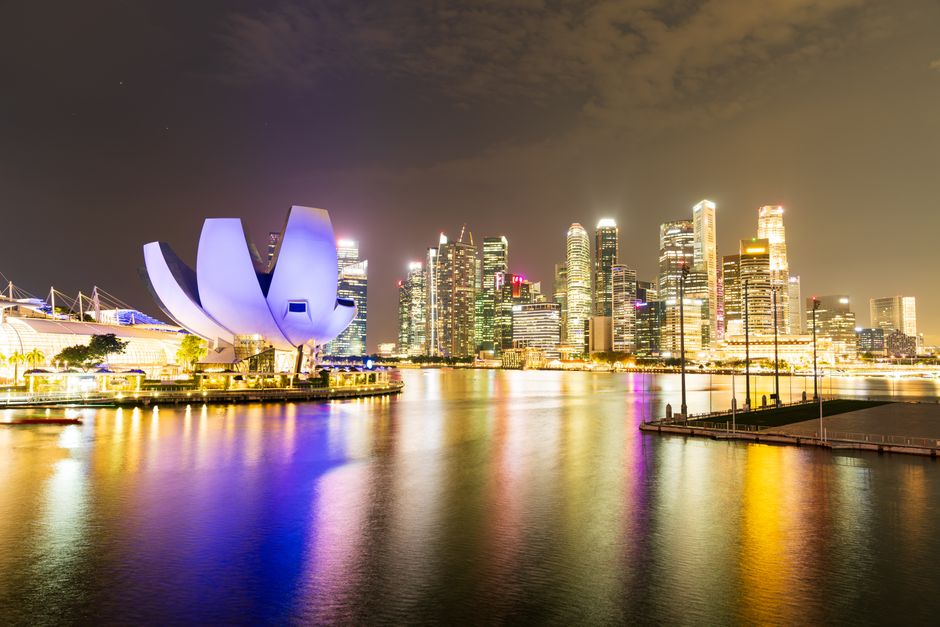
Walk down Neil Road in Tiong Bahru on a Saturday afternoon and you'll encounter something distinctly different from Singapore's gleaming shopping malls: cramped studio spaces where emerging designers sketch collections inspired by hawker culture, tropical humidity, and the island's multicultural DNA. This neighbourhood—once dismissed as merely residential—has quietly become the creative heart of Singapore's fashion renaissance, embodying a shift in how the city defines itself culturally.
The fashion and design industries now contribute approximately SGD 1.2 billion annually to Singapore's creative economy, a figure that has grown 23 percent since 2019. But the numbers tell only part of the story. What's truly significant is how local designers are rejecting the global homogenisation that once threatened to erase Singapore's distinct aesthetic identity.
Designers working in converted shophouses across Tiong Bahru, Kampong Glam, and the Textile Centre near Outram Park are deliberately anchoring their work in local narratives. Batik techniques meet sustainable practices. Traditional sarong silhouettes inform contemporary streetwear. The result is fashion that whispers of Singapore's heritage while speaking fluently to international audiences—a delicate balance the city's creative community has finally mastered.
This creative confidence extends beyond boutique designers. Singapore Fashion Week, held bi-annually at Marina Bay, has evolved into a launchpad for regional talent, attracting buyers from Tokyo, Seoul, and beyond. Meanwhile, institutions like the National Design Centre at Dhoby Ghaut have begun positioning Singapore not merely as a shopping destination but as a design laboratory—a place where ideas incubate and authentic aesthetics are born.
The economic impact is real. Young designers cite rental costs of SGD 1,500-3,000 monthly for studio spaces, manageable compared to London or Tokyo, allowing more creative risk-taking. Simultaneously, government schemes supporting creative startups have matured, recognising that fashion design contributes to Singapore's soft power in ways that transcend export value.
Perhaps most tellingly, Singapore's fashion identity now extends to international cultural conversations. The city is no longer simply absorbing trends; it's generating them. Local designers increasingly appear on international runways, their work carrying unmistakably Singaporean signatures—a confidence that would have seemed improbable a decade ago.
As Singapore navigates its post-pandemic identity, fashion design has emerged as an unexpected anchor. In an era when many global cities struggle to distinguish themselves culturally, Singapore's creative community is proving that distinctiveness doesn't require rejecting modernity. Instead, it requires thoughtfully integrating heritage, sustainability, and innovation—precisely what the city's designers are doing, one garment at a time.
This article was compiled by AI from the sources linked above and screened before publishing. See our editorial standards.
About this article
Published by The Daily Singapore
Spread the word
Daily brief
Free, in your inbox before 7am. Weekdays.
The Daily Network — local news across Australia