Singapore's Festival Calendar 2026: What Visitors Need to Know and the Must-See Highlights
From Ramadan night markets to Chinese New Year celebrations, here's your guide to experiencing Singapore's most vibrant cultural moments this year.
3 min read
From Ramadan night markets to Chinese New Year celebrations, here's your guide to experiencing Singapore's most vibrant cultural moments this year.
3 min read
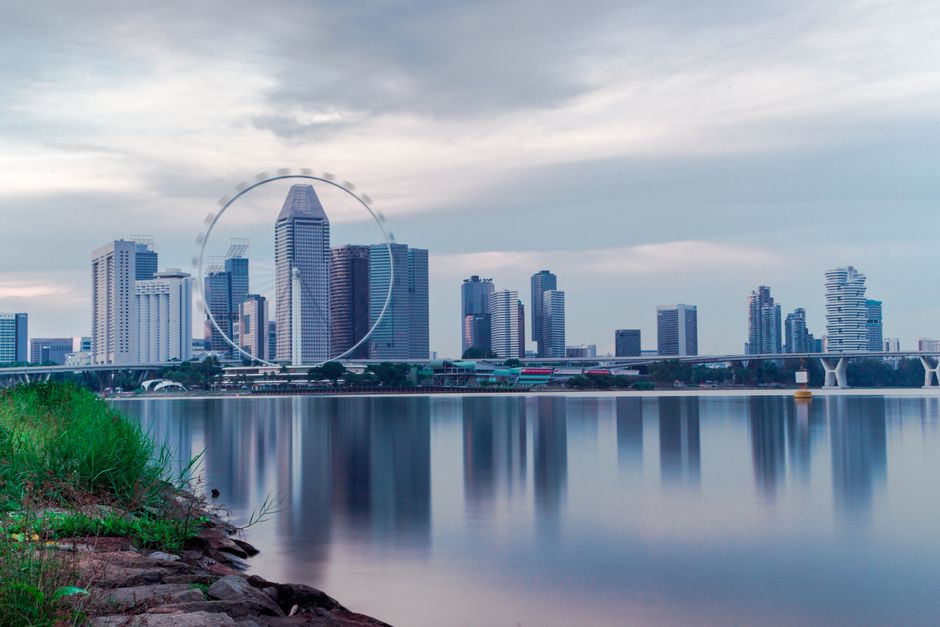
Singapore's festival calendar is a masterclass in multicultural celebration. Whether you're planning a first visit or returning to the island, understanding the rhythm of the city's events is essential to experiencing it at its most vibrant.
The second half of 2026 opens with Deepavali in late October and early November, when Little India transforms into a glittering spectacle. Serangoon Road becomes pedestrian-only, lined with elaborate decorations and temporary market stalls selling traditional sweets, textiles, and religious items. The Festival of Lights draws both locals and international visitors, with the Sri Mariamman Temple at 48 South Bridge Road serving as a spiritual focal point. Budget for early evening visits—crowds peak around 7pm onwards.
December brings the city's most commercialised yet undeniably festive season. Orchard Road's annual Christmas light-up, typically running through January, transforms Singapore's premier shopping boulevard into a photographer's dream. Major shopping malls like Ngee Ann City and Takashimaya compete with elaborate displays; entry to viewing areas remains free, though retail spending can add up quickly. Expect 2-3 hour queues on weekends for the best photo spots.
Planning ahead for 2026's Lunar New Year in early February requires strategy. Chinatown's street markets, centred around Eu Tong Sen Street and Pagoda Street, operate nightly from late January through to Chinese New Year Eve. The Chingay Parade, Singapore's largest street performance featuring giant floats and cultural performances, snakes through the CBD and Chinatown—arrival by 6am secures decent viewing spots along the parade route. Entry remains free.
Kampong Glam's Ramadan celebrations, typically spanning 29 days between February and March in coming years, showcase the spiritual and culinary traditions of Singapore's Muslim community. Bussorah Street buzzes with pavement dining and bazaar stalls; the Sultan Mosque at 3 Muscat Street anchors the spiritual experience. Visitors should dress respectfully and avoid eating or drinking publicly during fasting hours—typically 6am to 6:30pm.
Summer months (May-August) feature Singapore's arts calendar, including the Singapore International Festival of Arts and smaller neighbourhood celebrations. The National Gallery Singapore at St Andrew's Road and ArtScience Museum at Marina Bay Sands often programme special exhibitions during peak months.
Pro tips: Book accommodation early during major festivals; public transport runs extended hours, but expect 40% longer journey times on festival eves. Most celebrations centre on Heritage neighbourhoods—Little India, Chinatown, Kampong Glam, and Tiong Bahru—making walking tours efficient. Entry to most street celebrations remains free; budget instead for food, crafts, and temple donations.
This article was compiled by AI from the sources linked above and screened before publishing. See our editorial standards.
About this article
Published by The Daily Singapore
Spread the word
Daily brief
Free, in your inbox before 7am. Weekdays.
The Daily Network — local news across Australia