From Smoky Jazz Clubs to Stadium Shows: How Singapore's Live Music Scene Transformed in Two Decades
What began in tucked-away venues along Boat Quay has evolved into a thriving ecosystem that now rivals major regional hubs.
3 min read
What began in tucked-away venues along Boat Quay has evolved into a thriving ecosystem that now rivals major regional hubs.
3 min read
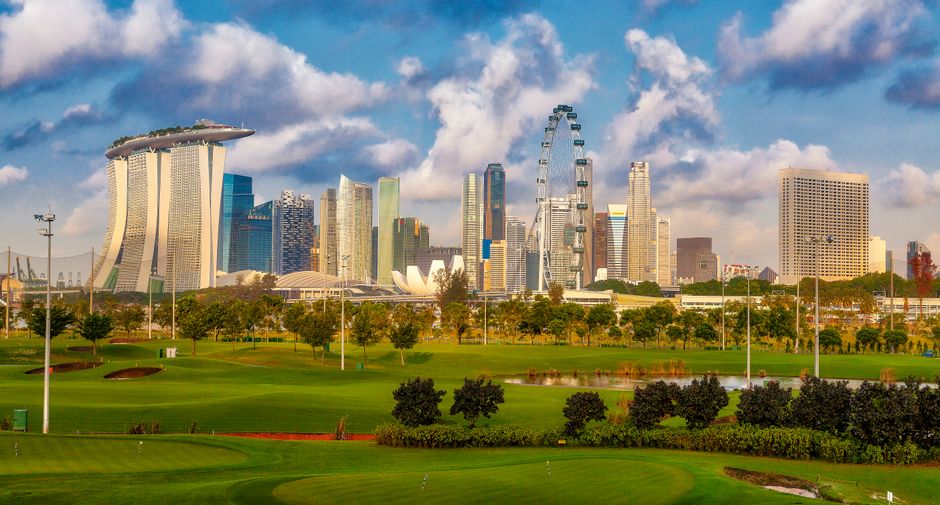
When The Substation first opened its doors in a shophouse on Armenian Street in 1990, Singapore's live entertainment landscape looked radically different. There were no mega-venues, no international touring circuits, and precious few dedicated spaces where local artists could perform consistently. The underground scene existed in pockets—dimly lit bars in Boat Quay, small clubs along Tanjong Pagar, and the occasional performance at community centres.
Today, that scrappy alternative culture has matured into something genuinely formidable. The National Arts Council's 2024 Cultural Participation Survey found that live music attendance had jumped to 45 per cent among Singaporeans aged 15 to 34, a significant leap from just 28 per cent a decade earlier. The infrastructure has transformed accordingly: venues now range from intimate 200-capacity spaces like Timbre+ and Neon Pigeon in the Outram neighbourhood to cavernous facilities like the National Stadium, which regularly hosts international acts drawing crowds of 30,000-plus.
The shift reflects deliberate policy choices. When the government designated Clarke Quay and the riverside belt as entertainment zones in the early 2000s, it created density and legitimacy that independent venues had previously lacked. More significantly, the emergence of major promoters and the National Arts Council's funding schemes—which allocate roughly $18 million annually to performing arts grants—provided economic scaffolding for an industry that had operated on thin margins and volunteer goodwill.
Yet the evolution came with trade-offs. Venue closures on Boat Quay and Duxton Hill displaced beloved institutions that had cultivated generations of musicians. Rising rents have pushed many smaller venues further out: Timbre's relocation to Outram represented a migration pattern repeated across the city. What gained in professionalism, it lost in grit.
The pandemic accelerated another evolution. When venues shuttered in 2020, artists and entrepreneurs rapidly adapted. Live-streaming revenue models emerged, outdoor performances became common, and neighbourhood spaces—HDB void decks, community gardens—functioned as unexpected venues. Today's scene is more geographically distributed than ever, with emerging pockets in Clementi, Bukit Merah, and Woodlands hosting serious programming.
Current ticket prices reflect the market maturation: intimate local artist shows now typically cost $20-$30, while international touring acts command $80-$200. Yet the infrastructure that makes this pricing possible—professional sound systems, insurance frameworks, marketing reach—barely existed in 1995. What once required scrappy DIY effort now involves sophisticated supply chains.
Singapore's live music story ultimately mirrors its broader development narrative: rapid professionalisation, infrastructure investment, and cultural export ambitions. Whether the scene retains its edge remains an open question.
This article was compiled by AI from the sources linked above and screened before publishing. See our editorial standards.
About this article
Published by The Daily Singapore
Spread the word
Daily brief
Free, in your inbox before 7am. Weekdays.
The Daily Network — local news across Australia