Singapore's Street Art Revolution: What Visitors Must Know Before Exploring Our Creative Districts
From heritage lanes to contemporary murals, here's your essential guide to the city's most vibrant design hotspots.
2 min read
From heritage lanes to contemporary murals, here's your essential guide to the city's most vibrant design hotspots.
2 min read
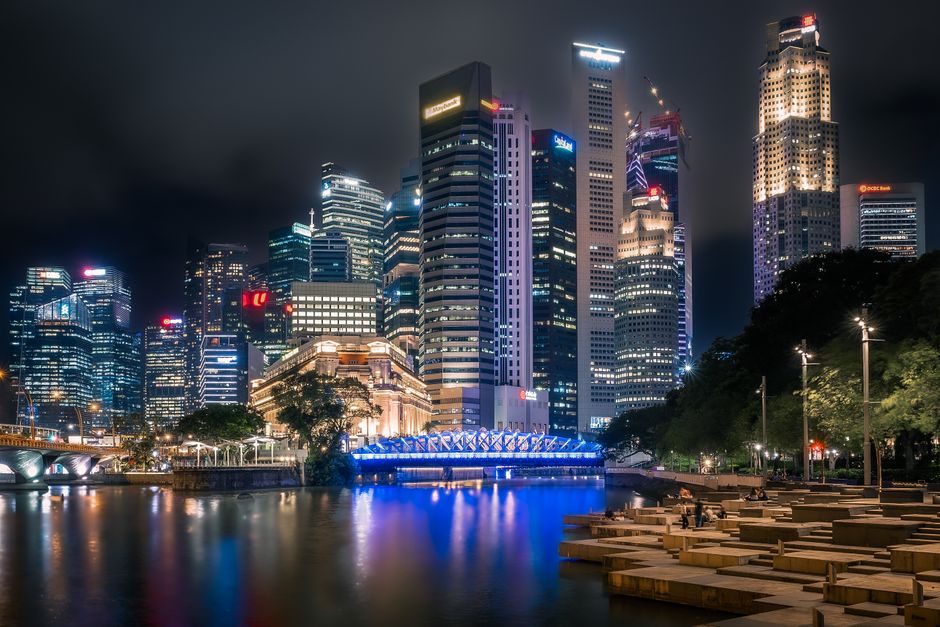
Singapore's street art scene has undergone a remarkable transformation over the past decade, evolving from underground movement to celebrated cultural asset. For visitors keen to explore beyond Marina Bay, understanding the geography and etiquette of our creative districts is essential.
Kampong Glam remains the undisputed epicentre. The neighbourhood's narrow lanes—particularly Bussorah Street and Arab Street—showcase densely layered murals reflecting Islamic heritage, contemporary social commentary, and abstract designs. Street artists here operate within a semi-formal framework; most pieces are sanctioned by the Kampong Glam Business Association, though some spaces maintain a deliberately raw, evolving character. Budget two to three hours for a proper exploration, and visit early morning (before 9am) for the best photography without crowds.
Tiong Bahru, historically Singapore's first public housing estate, has transformed into a design-conscious quarter. Its art scene centres on conversion projects—art galleries, indie cafes, and studios occupy pre-war shophouses. The district hosts regular walking tours and design markets; check Tiong Bahru Association's calendar for quarterly events. Entry to most galleries is free, though workshops typically cost SGD 40-80.
The emerging Geylang Serai precinct warrants attention, particularly its Malay heritage murals and textile-inspired street designs. Unlike Kampong Glam's tourist infrastructure, this neighbourhood maintains a more local character—ideal for visitors seeking authentic community-engaged art rather than curated experiences.
Ann Siang Hill and Club Street represent Singapore's central creative hub. Heritage conservation overlaps with contemporary gallery spaces; venues like Nge Ann City's art complexes and independent artist studios line these streets. Several galleries offer free entry, making it budget-friendly for design enthusiasts.
Critical visitor information: Singapore's street art exists within strict regulations. The National Environment Agency designates approved wall spaces; unauthorised tagging remains illegal and actively removed. What appears spontaneous often reflects months of community negotiation. Respect boundaries—do not touch or photograph private residential murals without permission.
Peak visiting seasons (November-February) draw substantial crowds; shoulder seasons offer better access. Most districts are pedestrian-friendly and well-connected by MRT (nearest stations: Bugis for Kampong Glam, Tiong Bahru for the estate, Outram Park for Ann Siang Hill).
Singapore's street art narrative ultimately reflects our broader cultural identity: creative expression thriving within structured frameworks, heritage and modernity coexisting, and design serving community storytelling rather than isolated artistic expression. Understanding this context transforms street-level exploration from casual sightseeing into genuine cultural engagement.
This article was compiled by AI from the sources linked above and screened before publishing. See our editorial standards.
About this article
Published by The Daily Singapore
Spread the word
Daily brief
Free, in your inbox before 7am. Weekdays.
The Daily Network — local news across Australia