From Hawker Stalls to Fine Dining: The Architects Behind Singapore's Food Renaissance
Meet the visionary chefs, restaurateurs and cultural custodians who transformed Singapore's dining landscape into a global destination.
2 min read
Updated 3 h ago
Meet the visionary chefs, restaurateurs and cultural custodians who transformed Singapore's dining landscape into a global destination.
2 min read
Updated 3 h ago
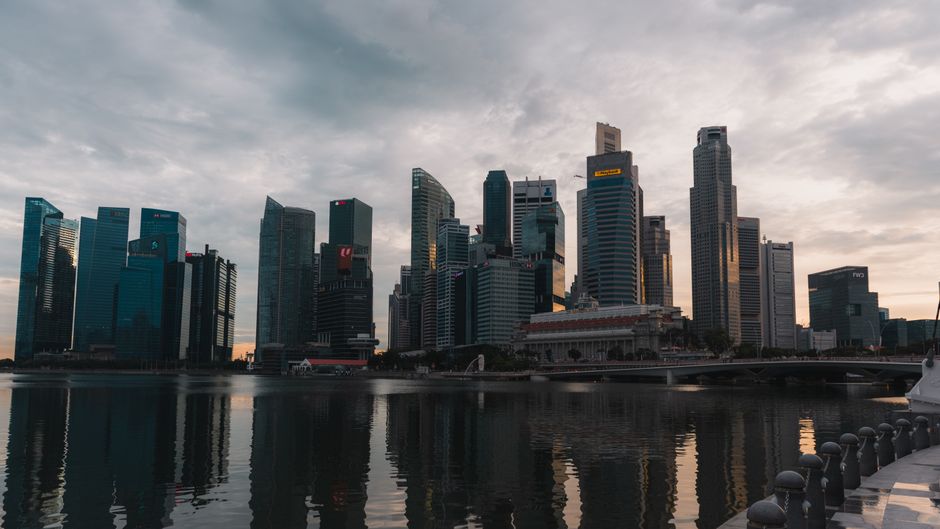
Singapore's food culture didn't simply emerge from thin air. Behind the gleaming establishments dotting Boat Quay, the heritage stalls of Tiong Bahru, and the experimental kitchens of Duxton Hill stands a generation of passionate individuals who dared to reimagine what local dining could become.
The transformation accelerated in the early 2010s when entrepreneurs began recognising the commercial and cultural value of Singapore's multicultural culinary traditions. What started as nostalgic preservation efforts evolved into something more ambitious: a movement that married ancestral recipes with contemporary plating, heritage ingredients with molecular gastronomy. Today, this ecosystem supports over 14,000 food establishments across the island, generating approximately SGD 4.2 billion in annual revenue according to Singapore's hospitality sector data.
The revival of Tiong Bahru exemplifies this shift. What was a declining neighbourhood of elderly residents and crumbling shophouses became a culinary pilgrimage site when young restaurateurs opened concept venues celebrating traditional Chinese, Malay and Indian hawker techniques. These weren't mere restaurants—they were living archives. Operators invested in training a new generation of cooks in skills that might otherwise have disappeared, partnering with older hawkers and retired chefs as mentors.
Similarly, Boat Quay's transformation from a working-class riverside market into Singapore's premier dining strip involved deliberate curation by property developers and independent restaurateurs who understood that authenticity and innovation weren't mutually exclusive. The preservation of colonial architecture alongside modern venues created a visual narrative: tradition meeting aspiration.
What distinguishes Singapore's food scene from other global cities is its foundational commitment to accessibility. Even as Michelin-starred establishments emerged—Singapore received its first Michelin Guide listing in 2016—the hawker culture remained the backbone. This dual system, unique among developed nations, was intentionally maintained through government support and conscious business decisions by established restaurateurs who mentored younger operators on operating alongside, rather than replacing, affordable street food.
The people driving this weren't always career hospitality professionals. Many were architects, lawyers and entrepreneurs who recognised that food was Singapore's most authentic cultural export. They invested not just capital but years of research—documenting recipes, funding culinary scholarships, restoring heritage shop interiors.
Today, as we look at Singapore's food culture thriving internationally, it's worth remembering that this didn't happen by accident. It required visionary individuals who understood that preserving heritage while embracing innovation wasn't a contradiction. It was the entire point.
This article was compiled by AI from the sources linked above and screened before publishing. See our editorial standards.
About this article
Published by The Daily Singapore
Spread the word
Daily brief
Free, in your inbox before 7am. Weekdays.
The Daily Network — local news across Australia