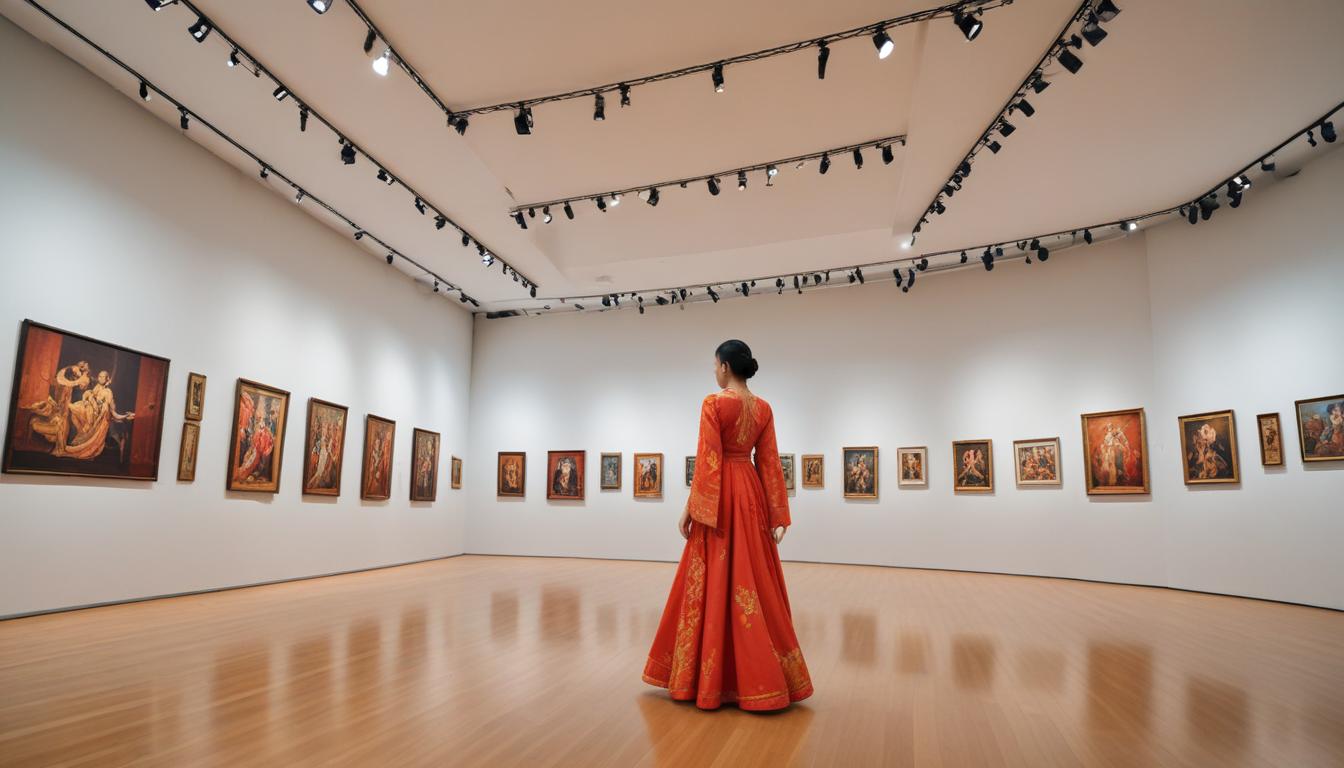
Walk through Singapore's streets in any given month and you're likely to stumble upon a festival, performance, or artistic intervention that didn't exist a decade ago. This shift isn't accidental. The sheer density and diversity of cultural events now shaping Singapore's calendar—from the Singapore Night Festival to Mosaic Music Festival, from the Chingay Parade to Sundown Festival—are actively redefining how the nation sees itself.
The numbers tell part of the story. The Singapore Tourism Board estimates that major festivals and events now attract over 18 million visits annually, with locals accounting for roughly 40 percent of attendees. This isn't tourism theatre anymore; it's a genuine expression of how Singaporeans choose to spend their leisure time.
Consider the geography of cultural activation. Kampong Glam, once primarily associated with religious and heritage tourism, has evolved into a year-round creative hub hosting everything from indie music showcases to experimental theatre. Simultaneously, the Civic District—anchored by institutions like the National Gallery Singapore and ArtScience Museum—has become a magnet for contemporary art festivals and cross-disciplinary collaborations. Even the Gardens by the Bay, designed partly as a cultural space, hosts rotating installations and seasonal celebrations that blur the line between nature and art.
What's particularly striking is how festivals have become vessels for negotiating Singapore's multicultural identity. The Deepavali light-up along Serangoon Road, the Mid-Autumn Festival celebrations in the CBD, the Hari Raya Aidilfitri festivities in Geylang—these aren't relics of tradition but living, evolving expressions of community. They share cultural calendar space with Pride Month events, film festivals catering to niche audiences, and experimental performance art that challenges conventional aesthetics.
The economic dimension matters too. Event ticketing for flagship festivals often sells out weeks in advance, with prices ranging from $30 to over $200 for premium experiences. This suggests a maturing audience willing to invest in cultural consumption—a marker of creative confidence in a city still often stereotyped as purely commercial.
Yet the most significant shift lies in agency. Where Singapore's cultural identity was once top-down—shaped by institutions and government strategy—it's increasingly bottom-up. Independent curators, grassroots collectives, and community organisations now populate the festival landscape alongside official initiatives. A packed calendar means citizens are actively choosing how they engage with creativity, rather than passively receiving what authorities deem culturally appropriate.
As Singapore heads into the second half of 2026, with Baybeats, the Singapore International Festival of Arts, and numerous neighbourhood-level celebrations on the horizon, one conclusion is clear: festivals are no longer peripheral to Singapore's identity. They are central to it.
This article was compiled by AI from the sources linked above and screened before publishing. See our editorial standards.