Singapore's cultural machine has long run on imported star power and established names. But walk through Gillman Barracks on a Thursday evening or catch an underground theatre piece in a converted shophouse on Tiong Bahru, and you'll find something shifting. The next wave of Singapore talent isn't waiting in the wings anymore—they're already performing, exhibiting, and forcing the conversation about what local culture actually looks like in 2026.
This generational pivot matters now because the old playbook is exhausted. For decades, Singapore's cultural identity has been shaped by external validation: international touring productions at the Esplanade, artist residencies funded by established foundations, and a steady stream of regional talent drawn to the city's resources. But the economics of that model have changed. Production costs have soared. International touring schedules have become unpredictable. Meanwhile, a cohort of artists trained at local institutions like LASALLE College of the Arts and Nanyang Academy of Fine Arts have aged out of the "emerging" category without the traditional gatekeeping mechanisms to launch them nationally. They've stopped waiting.
Where the Action Is Happening
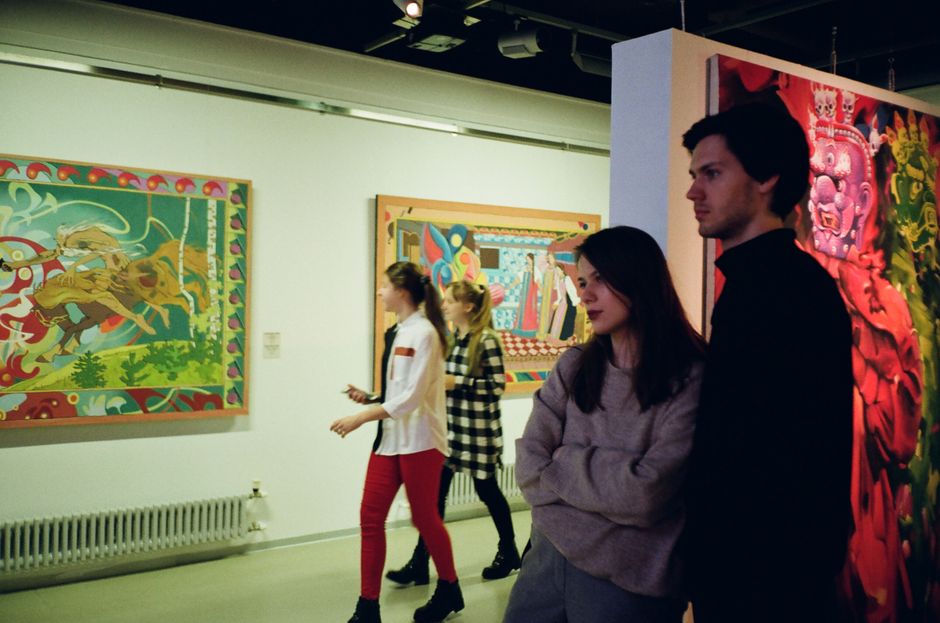
The evidence is scattered across the island, but concentrated in pockets where rent remains manageable and landlords tolerate irregular hours. Gillman Barracks, the converted military camp in Labrador that's become home to independent galleries and artist studios, now hosts regular performances and open-studio events that draw crowds larger than some Esplanade events—without the institutional marketing budget. The nonprofit arts space operates on a different logic: artists pay modest studio fees rather than waiting for curators to select them. A recent walk-through counted seventeen working studios, compared to eight five years ago.
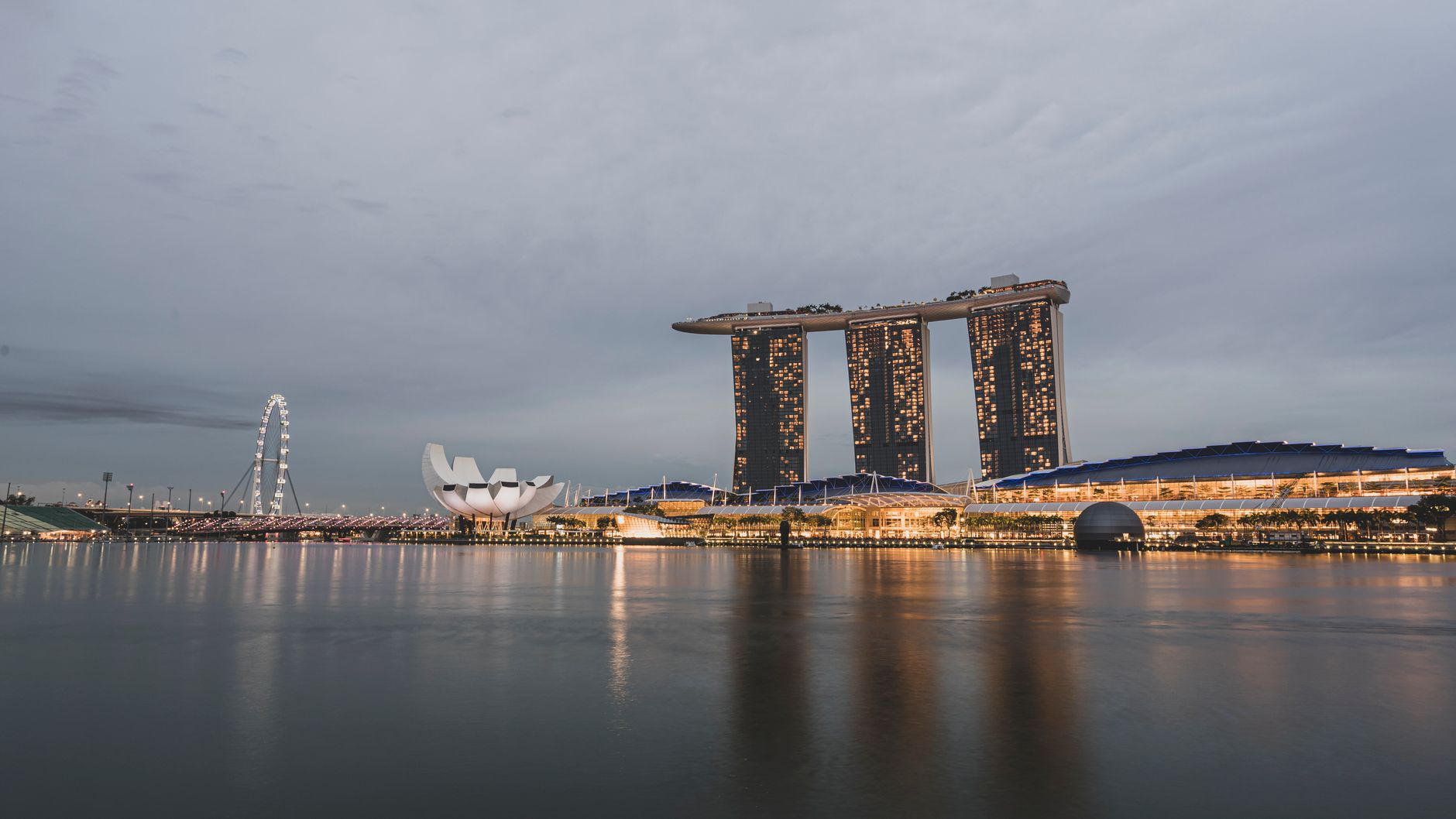
Tiong Bahru, the neighbourhood south of the Singapore River, has become an unofficial creative hub. The converted pre-war shophouses along Tiong Bahru Road have been quietly repurposed by theatre makers, independent labels, and multimedia collectives. One experimental theatre company operates out of a third-floor unit above a bakery, producing three to four shows monthly with budgets under 15,000 Singapore dollars per production. The lease costs approximately 8,000 dollars monthly for the 1,500-square-foot space. That arithmetic—impossible in official cultural precincts—explains why the energy is happening here rather than in Marina Bay.
The National Arts Council reported in its 2025 cultural participation survey that attendance at independent and grassroots performances grew 34 percent year-over-year, while attendance at major institutional venues remained flat. The council's arts development grant, which distributes approximately 8 million Singapore dollars annually, has shifted allocation patterns to support emerging collectives rather than established organisations for the first time in the program's two-decade history.
What Comes Next
The structural question now is whether Singapore's cultural institutions can actually move fast enough to engage this emerging cohort before it either dissipates into freelance survival mode or migrates to cheaper cities with clearer career pathways. The Esplanade announced in May that it would reserve 30 percent of its performance calendar for emerging artists by 2028. Implementation begins next quarter.
For anyone paying attention to Singapore's cultural future, the next twelve months matter. The artists working out of Tiong Bahru and Gillman Barracks aren't waiting for official recognition, but they're also not invisible anymore. They're producing work at a pace and volume that makes them impossible to ignore. The question isn't whether they'll reshape Singapore's cultural conversation—they already are. The question is whether the city's institutions will help them do it, or whether they'll have to keep building from the margins.