Tracing the history and evolution of Singapore’s vibrant cultural scene
From its colonial roots to cutting-edge contemporary spaces, Singapore’s culture pulse reflects decades of change and ambition.
3 min read
From its colonial roots to cutting-edge contemporary spaces, Singapore’s culture pulse reflects decades of change and ambition.
3 min read
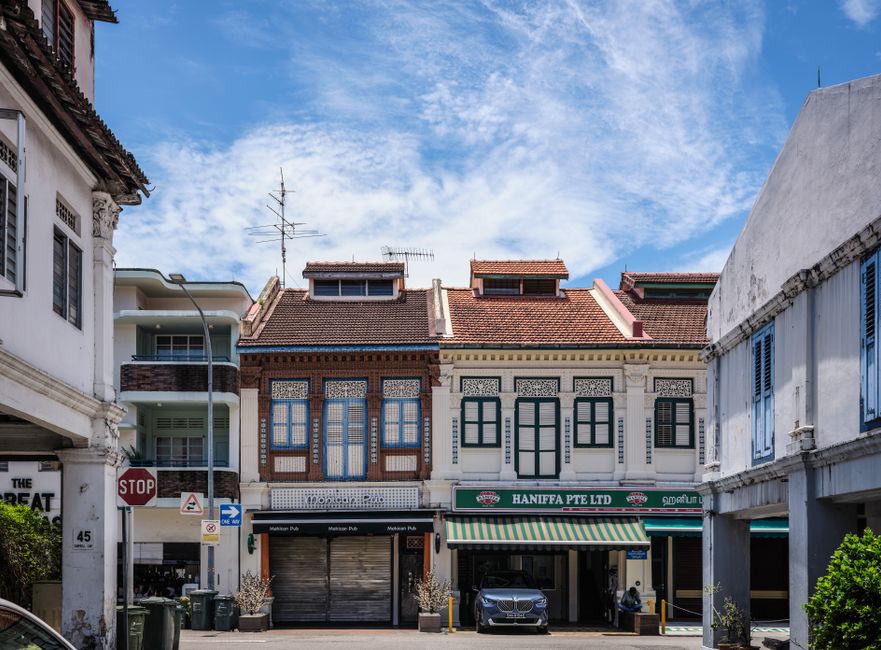
As Singapore celebrates another year of dynamic growth in its arts and cultural sectors this weekend, visitors and locals alike have a wealth of activities to explore the city’s rich cultural evolution. From exhibitions at the National Museum of Singapore to performances at the Esplanade – Theatres on the Bay, the island-state showcases how its cultural scene has transformed over nearly two centuries.
The spotlight on culture comes amid mounting interest in how Singapore balances heritage preservation with innovation, especially as the government ramps up support for the creative economy. This year’s cultural programming aligns with multiple milestones including the 2026 Singapore Heritage Festival, running from June 15 to July 15, and recent expansions in local art infrastructure designed to attract international collaboration and tourism.
The story of Singapore's cultural scene begins in the early 19th century, when the city was a small trading post under British administration. Institutions such as the National Museum of Singapore, founded in 1887 on Stamford Road, have evolved from colonial archives into vibrant spaces that interpret the nation’s diverse narratives. Today, the Museum offers exhibitions that juxtapose traditional Peranakan art alongside contemporary installations by Singaporean artists, reflecting a city that honors its past while embracing modernity.
Meanwhile, the Esplanade – Theatres on the Bay, opened in 2002 on Marina Bay, stands as a landmark for Singapore’s ambitions to become a global cultural city. This venue hosts a diverse roster of performances from classical music to street theatre, showcasing local talent and attracting international acts. The Esplanade’s commitment to nurturing Singaporean artists through residencies and education programs echoes the city’s broader commitment to cultural growth beyond mere spectacle.
The government’s 2021 Culture Sector Blueprint, aimed at tripling the cultural audience size by 2030, has spurred new investments and expanded community programs. Recent data from the National Arts Council reveal that in 2025 alone, attendance for arts events in public venues increased by 18%, reaching over 1.5 million visitors. This growth is supported by initiatives like the SG Culture Pass, which offers discounted or free entry to over 30 museums and galleries including the ArtScience Museum and the Asian Civilisations Museum.
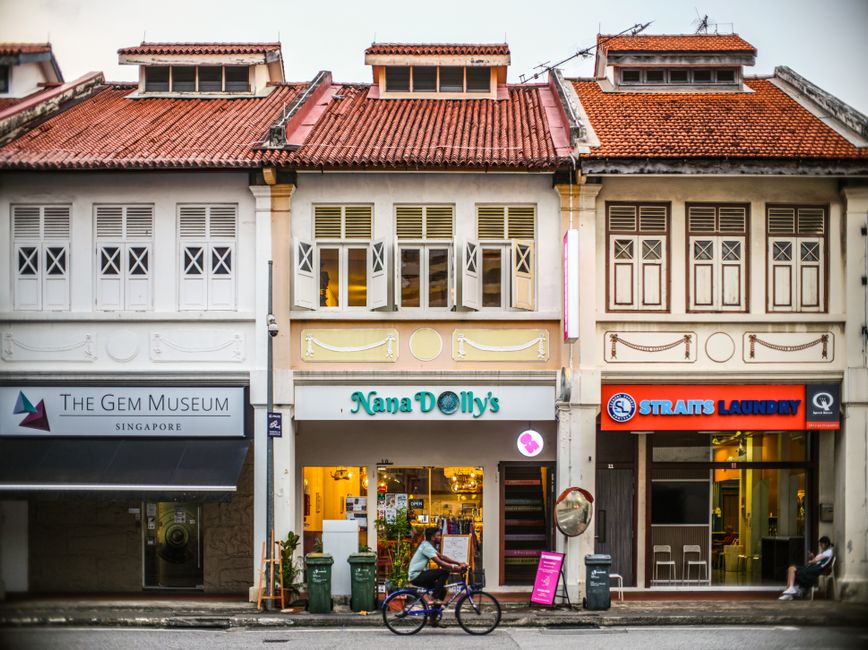
Ticket prices remain relatively accessible, with many events at the Esplanade starting from as low as S$20, while certain museums offer free entry on selected days of the month. City planners have also promoted cultural inclusivity by supporting heritage trails, such as those in the Tiong Bahru and Kampong Glam neighborhoods, which combine culinary experiences with walks highlighting architectural and cultural landmarks.
Visitors looking to dive into Singapore’s cultural tapestry today can start with the National Museum’s special exhibition, "From Colony to City: Singapore’s Arts Renaissance," running until August 30, or check the Esplanade’s summer program featuring local jazz ensembles and theatre groups. For a different pace, self-guided heritage trails through Chinatown and Little India remain open year-round.
As Singapore continues to evolve, its local cultural scene offers both residents and tourists a layered understanding of the city’s ongoing quest to define its identity through the arts.
About this article
Published by The Daily Singapore
Spread the word
Daily brief
Free, in your inbox before 7am. Weekdays.
Before you go
The day's Singapore news in a 2-minute read. Free, weekday mornings.