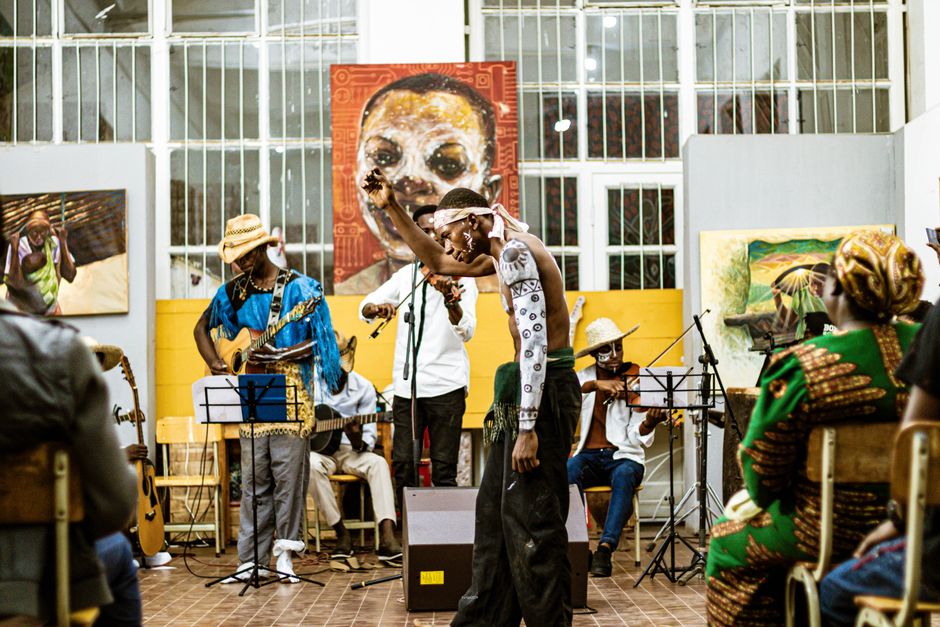
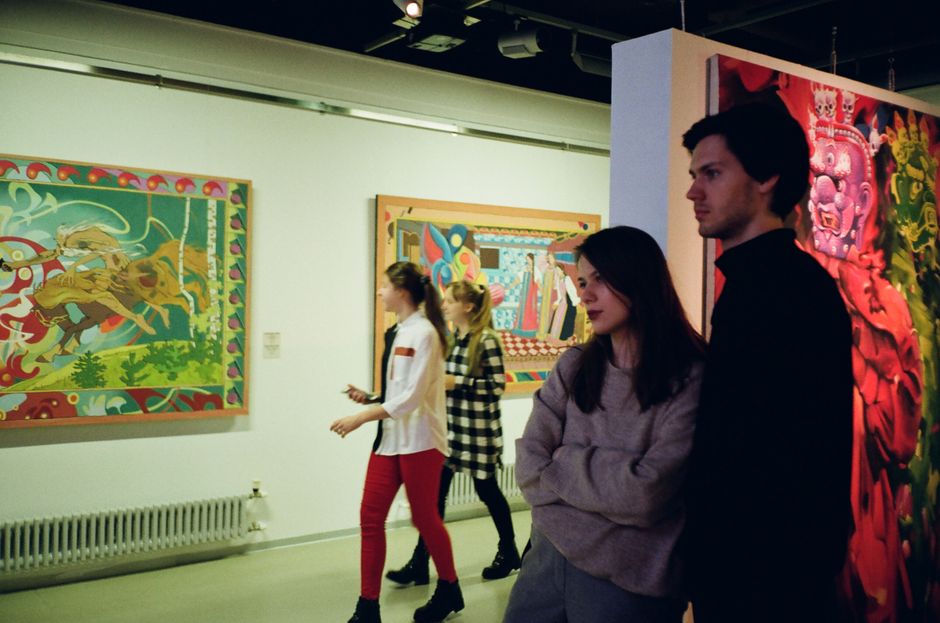
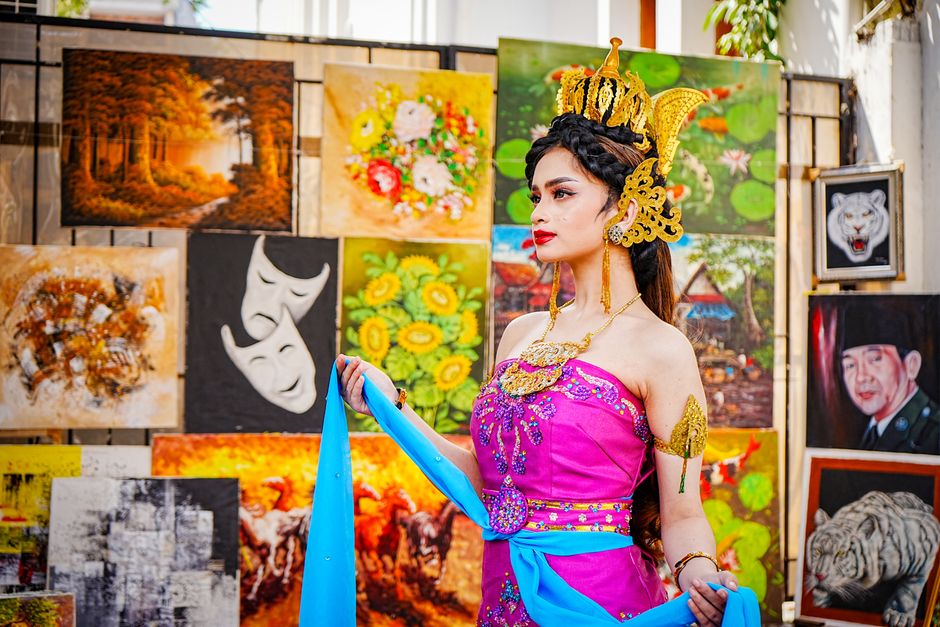
Singapore's cultural landscape is moving away from the polished, corporate-sponsored model that defined the past decade. Independent artists and grassroots collectives are driving a shift toward scrappier, more experimental work—and visitors arriving this month will find a markedly different city than the one they encountered five years ago.
The change matters now because global travel patterns are recalibrating. With heat-driven cancellations hitting major North American destinations and geopolitical shifts redirecting tourism flows, Southeast Asia is absorbing a new wave of culturally curious travellers. Singapore, historically known as a sterilised financial hub, is actively competing for this demographic by amplifying its underground and emerging arts scene. The National Arts Council's revised funding structure, announced last year, prioritised smaller independent groups over mega-institutions for the first time in two decades.
Start on Armenian Street in Kampong Glam. Boutique galleries like The Substation—a 30-year-old experimental arts space that operates as a non-profit—now share the neighbourhood with younger collectives running pop-up exhibitions in heritage shophouses. The Substation, which operates without a permanent exhibition schedule, hosts rotating performance art, live music, and theatre productions that push against mainstream tastes. A ten-minute walk east, Aliwal Arts Centre occupies a restored colonial building and functions as both a studio space for resident artists and a public gallery. Neither venue charges more than SGD 15 for entry; most performances run SGD 20 to SGD 40.
Head to Tiong Bahru next. This neighbourhood, long known for its coffee culture and vintage shops, has become a hub for artist studios and independent curators. The opening of three new artist-run spaces in converted pre-war apartments over the past 18 months reflects the shift. Local artists have stopped waiting for institutional validation; they're simply renting modest units and inviting the public in.
Numbers Tell the Story of a Changing City
The data backs this up. According to the Singapore Tourism Board's 2025 cultural visitor survey, 34 percent of international arrivals now prioritise visiting independent galleries and artist studios—up from 18 percent in 2020. Meanwhile, attendance at state-funded institutions like the National Gallery Singapore has remained flat at around 650,000 annual visitors. The Singapore Arts Festival, the island's marquee biennial event, expanded its programming in 2026 to include a dedicated "Independent Voices" strand featuring 40 percent more emerging artists than the previous edition.
Prices matter for budget-conscious travellers. The Esplanade, the massive performing arts complex on Marina Bay, charges SGD 60 to SGD 120 for most shows. Independent venues like Drama Box in Bukit Merah typically run SGD 25 to SGD 35 for experimental theatre. The Economics Board Creative Hub, a co-working space in Joo Chiat that doubles as a gallery, charges nothing to walk through its exhibitions.
First-time visitors should know that Singapore's cultural boom isn't happening in the gleaming Central Business District. It's in the older residential areas—Joo Chiat, Geylang Serai, Bukit Merah, Tiong Bahru—where rent is lower and landlords are more willing to take artistic risks. The MRT system makes these neighbourhoods easily accessible from Changi Airport in under 45 minutes. Download the Singapore Arts Portal app or check Roots.sg, a community-run events calendar, before arriving. Many exhibitions and performances are announced just weeks in advance.
What to Actually Do When You Land
Book a walking tour with an artist-led group rather than a standard tour operator. Several collectives now offer neighbourhood walks in Kampong Glam and Tiong Bahru that include studio visits and artist conversations. Expect to pay SGD 50 to SGD 80 per person. Spend at least two full days outside the Marina Bay area. The Singapore Art Week, moving to October this year, will feature more than 100 independent galleries participating alongside the established venues. If you're here in July, catch whatever is running at The Substation and Aliwal Arts Centre—both maintain online calendars updated regularly.
The city's cultural moment isn't about grand gestures. It's about smaller communities finding their voice, and visitors who take time to look beyond the headline attractions will find a Singapore that feels genuinely alive.