Singapore’s Art Scene Shifts East: Emerging Talent Voices and the Next Wave to Watch
A new cohort of practitioners is abandoning the sterile white-cube model for raw, community-led narratives in Katong and Tiong Bahru.
3 min read
Updated 55 min ago
A new cohort of practitioners is abandoning the sterile white-cube model for raw, community-led narratives in Katong and Tiong Bahru.
3 min read
Updated 55 min ago
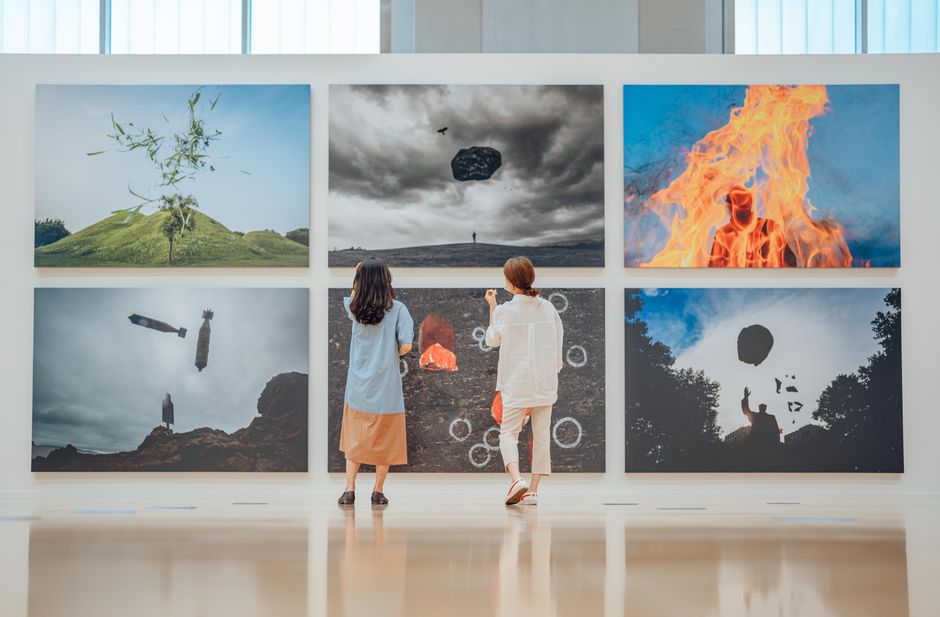
The gravitational pull of the Singapore arts scene is drifting away from the traditional dominance of the Civic District. While institutions like the National Gallery Singapore remain the pillars of the establishment, a restless, younger generation of artists is currently reclaiming shophouse spaces in Katong and neglected corners of Tiong Bahru to debut works that challenge the city-state’s polished reputation. This shift marks the most significant change in the local market since the 2022 expansion of the Singapore Art Museum at Tanjong Pagar Distripark.
The urgency behind this move stems from a collective desire to bypass the vetting processes of large-scale foundations. At the helm of this movement is the 'Project 19' collective, which recently converted a disused textile workshop on Joo Chiat Road into an experimental performance and installation space. They aren’t alone. Groups like the Geylang-based 'Sub-Terrain' are focusing on hyper-local anxieties, moving away from high-gloss sculpture to embrace ephemeral, site-specific art that reflects the rapid urban turnover in areas like Sims Drive and Aljunied.
These venues represent a vital pivot for the scene. Historically, young artists relied on the Noise Singapore initiative or the annual Singapore Art Week to gain exposure. Now, they are self-curating and self-funding. The cost of mounting a solo exhibition in a commercial gallery space in Tanjong Pagar can easily exceed $8,000 in monthly rental and logistics, leading these artists to form micro-collectives. By pooling resources, they are effectively undercutting the traditional gallery commission model, which often takes upwards of 40% on every sale.
Data from the National Arts Council’s 2025 impact report indicates that while funding for major institutions remains robust, private spending on emerging artists has surged by 14% over the last fiscal year. Collectors are increasingly looking for 'raw' talent, moving away from blue-chip prints toward mixed-media installations that integrate digital technology with traditional Southeast Asian motifs. According to secondary market tracking services, works from artists who debuted in the 2024 'New Voices' show at the Esplanade are now seeing resale values climb by an average of 22% within eighteen months.
For those looking to track this wave, the next major indicator will be the upcoming 'Open Studio' weekend slated for August 15, which will feature fifteen independent spaces across the East Coast. If the interest surrounding last month’s underground pop-up at the defunct Haw Par Villa office block is any indication, the center of gravity in Singapore’s visual arts landscape is firmly set to remain outside the traditional museum walls for the foreseeable future. Collectors should keep a close eye on the Tiong Bahru back-alley listings; these makeshift exhibition spaces are where the most provocative, risk-taking art is currently taking shape.

About this article
Published by The Daily Singapore
Spread the word
Daily brief
Free, in your inbox before 7am. Weekdays.
Before you go
The day's Singapore news in a 2-minute read. Free, weekday mornings.