A Shift in the Heat: How Experimental Art is Defining the City's Creative and Cultural Identity
With outdoor festivals struggling under record-breaking July temperatures, Singapore’s arts community is retreating to climate-controlled independent spaces, fundamentally changing how we consume culture.
This article was generated by AI from the linked public sources. The Daily Singapore is independently owned and covers Singapore news free from advertiser or sponsor influence. Read our editorial standards →
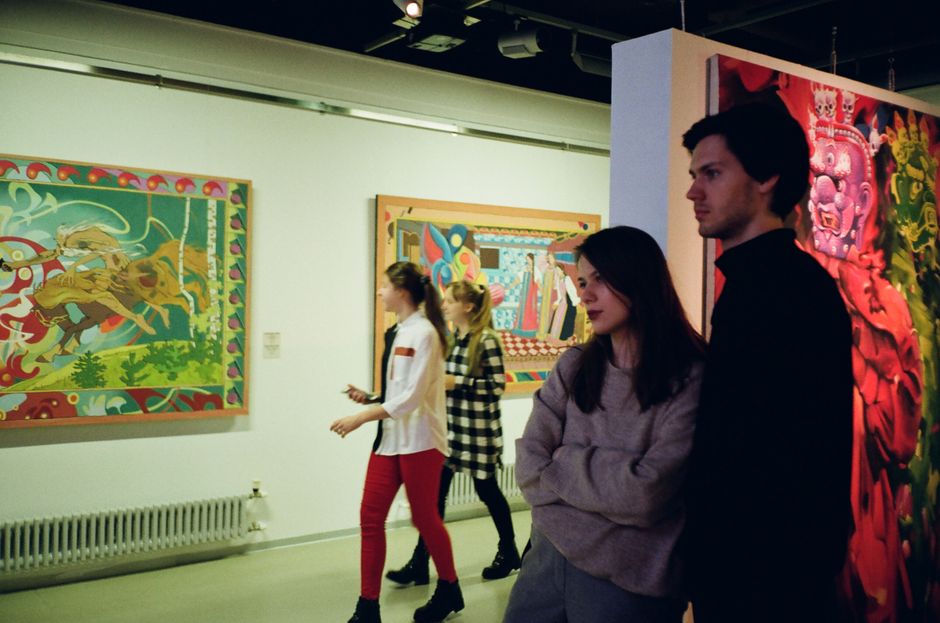
Singapore’s cultural heartbeat moved indoors today as the mercury climbed to a sweltering 34 degrees Celsius. The annual Independence Day festivities, which typically draw thousands to the Esplanade waterfront, have been largely replaced by intimate, air-conditioned showcases across Tiong Bahru and Bras Basah. This migration is not merely a reaction to the weather; it marks a permanent pivot toward smaller, curatorial-heavy venues that prioritize deep engagement over mass-market spectacles.
The Rise of the Independent Hub
At the 72-13 space on Mohamed Sultan Road, the T:>Works collective is currently hosting a marathon multimedia installation that would have been impossible in an outdoor setting. The move away from the grand, open-air stages of the early 2000s reflects a growing maturity in our creative sector. Independent outfits like The Substation’s successor programs and the independent studios along Aliwal Street are now the primary engines of local identity, favoring dense, layered storytelling over the high-production-value glitz of the past decade.
This shift is underscored by a measurable change in how arts funding is distributed. According to the latest National Arts Council data for the 2026 fiscal year, micro-grants for venue-based experimental performances have increased by 14 percent since last July. Meanwhile, legacy organizations that rely on massive outdoor crowds have seen their operational costs balloon by 22 percent due to additional requirements for portable cooling systems and medical hydration stations.
A New Aesthetic of Intimacy
The transition is most visible in neighbourhoods like Jalan Besar, where repurposed shophouses are charging entrance fees averaging $35—a premium price point that signals a shift toward serious, niche consumption. These venues serve as more than just performance spaces; they act as galleries, rehearsal rooms, and incubators for a new generation of artists who are uninterested in the generic "global city" branding of the past. Instead, the focus is on the gritty, specific history of the city, displayed in rooms that accommodate no more than 80 people at a time.
For those looking to engage with this new landscape, head to the arts enclave at Waterloo Street tonight. The local galleries are open until 10:00 PM, offering a quiet, temperature-controlled reprieve from the humidity. If you find yourself in the City Hall area, avoid the crowded retail malls; instead, check the listings for the independent cinema pop-ups in the basement of the former Capitol Theatre. These spaces offer a glimpse into a city that is finally starting to prefer depth over scale, and given the erratic climate trends, it is an approach to culture that is likely here to stay.
Covering culture in Singapore. This article was generated by AI from the linked sources and was not reviewed by a human editor before publishing. See our editorial standards.