Tracing the Roots: The History and Evolution of Singapore’s Thriving Arts Scene
From post-independence roots to today’s vibrant creative hubs, Singapore’s cultural landscape offers much to explore this weekend.
4 min read
Updated 1 h ago
From post-independence roots to today’s vibrant creative hubs, Singapore’s cultural landscape offers much to explore this weekend.
4 min read
Updated 1 h ago
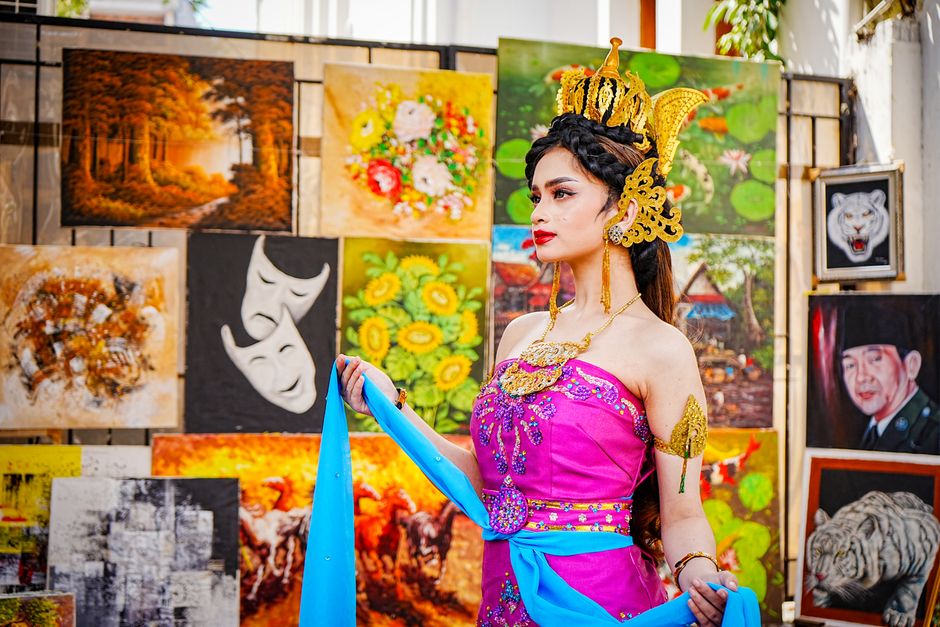
Singapore’s arts scene, a key player in its identity as a global city, has come a long way since the nation’s early days of independence. Today, art lovers and curious visitors alike can immerse themselves in the rich history and transformation of the city-state’s cultural expression, from grassroots initiatives to internationally recognised institutions.
As Singapore marks key cultural milestones this year, including the 60th anniversary of the National Arts Council (NAC), understanding the development of the local arts scene has never been more relevant. The council’s founding in 1966 signalled government commitment to fostering homegrown talent and promoting arts accessibility.
This focus on arts and culture is essential amid rapid urban development and technological advancement. The evolving scene demonstrates how Singapore balances tradition and innovation — a narrative that resonates widely across neighborhoods and generations.
Visitors keen on tracing the arts’ trajectory can start at Gillman Barracks, a contemporary art cluster on Alexandra Road that occupies a former military base. Since its opening in 2012, Gillman has hosted over 50 galleries and numerous exhibitions bridging local and international artists, symbolising Singapore’s role on the global arts map.
A short drive away, the Esplanade - Theatres on the Bay, opened in 2002 at Marina Bay, stands as a beacon for performing arts. It reflects the transformation from earlier limited performance venues in the 1970s and 1980s to the present-day diverse programming that includes theatre, music, and dance festivals.
These venues exemplify how public and private sectors collaborate to create accessible cultural spaces. Beyond physical sites, initiatives like NAC’s Arts and Culture Strategic Review have shaped funding and outreach programs since 2016, nurturing artists and ensuring sustainability.
Exploring Little India or Kampong Glam offers additional layers of cultural depth, where arts traditions from Malay, Indian, and Chinese communities continue to thrive in street murals, music, and craft workshops.
Statistics reflect this vibrant evolution. In 2025, arts participation rates hit a record 63% among Singaporeans aged 15 and above, up from 54% in 2010, according to the National Arts Council. This surge is attributed to increased arts education in schools and community engagement initiatives.
Ticket prices for major venues remain competitively affordable, with performances at Esplanade starting as low as SGD 20 for select shows. Meanwhile, annual public funding for arts development has grown to over SGD 150 million, illustrating sustained investment in creative infrastructure and talent.
Moreover, Singapore hosts the Singapore Art Week every January, drawing over 110,000 visitors in 2026 alone, reinforcing the city’s prominence in the international arts calendar.
These figures underscore how a once modest cultural market has expanded into a dynamic, multifaceted sector contributing to the economy and social fabric.
For those wondering what to do in Singapore today amid this rich backdrop, checking local listings at venues like Gillman Barracks and the Esplanade can reveal exhibitions and performances tied to the theme of artistic evolution.
Self-guided tours in historic districts also offer insight into the grassroots origins of Singapore’s creative communities. The NAC website and VisitSingapore provide updated event calendars and ticketing information.
Explorers can discover how the city’s journey from a small port town to a sophisticated arts hub shapes the narratives presented in galleries and theaters, making the arts scene not only entertaining but also deeply educational.
In sum, Singapore’s cultural venues today are living museums of a story still in progress — inviting residents and visitors alike to witness and participate in the ongoing evolution of its creative identity.

About this article
Published by The Daily Singapore
Spread the word
Daily brief
Free, in your inbox before 7am. Weekdays.
Before you go
The day's Singapore news in a 2-minute read. Free, weekday mornings.