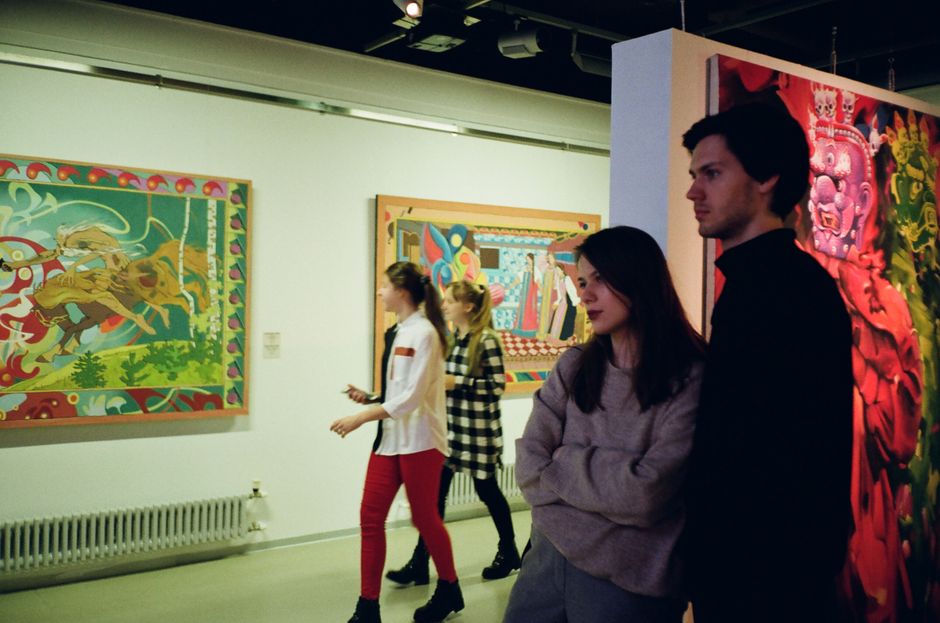
Singapore's creative landscape has quietly shifted. Walk into Gillman Barracks on Lock Road this weekend and you'll find not corporate-backed exhibitions but artist collectives redefining what the city's culture means to itself. The 13-hectare compound, once a military quarters, now houses 40-odd independent studios and galleries. What happens here—experimental theatre in converted warehouses, pop-up design markets, photography installations—increasingly defines how Singaporeans see their own city, separate from the slick Marina Bay aesthetic that dominates postcards.
The timing matters. International tourism has fractured. Travel restrictions, economic uncertainty, and geopolitical tensions have forced cities worldwide to look inward. Singapore, built on global flows and cosmopolitanism, is discovering something unexpected: a thriving local creative culture that doesn't need international validation to sustain itself. The National Arts Council reported in 2025 that attendance at independent gallery spaces in Tiong Bahru and Kampong Glam grew 34% year-on-year, even as visitor numbers to mainstream museums stalled.
Where Independent Creators Are Setting Up Shop
Tiong Bahru remains the epicentre. The neighbourhood's shophouses—some dating to the 1940s—have become unlikely headquarters for everything from bookbinding collectives to ceramic studios. Supermama, the design shop housed in a converted wet market stall on Tiong Bahru Road, stocks only products made by Singapore-based makers. The model is simple but radical: prioritise local talent over imported luxury goods. Nearby, institutions like The Projector (a member-run arthouse cinema in a 1930s building) charge $12 for film screenings and deliberately programme work from Southeast Asian filmmakers.
Kampong Glam, historically Malay and Muslim, has become another hub. The Malay Heritage Centre sits alongside independent galleries and designer workshops. ArtFriend Supplies recently opened a community studio space on Arab Street, making art materials accessible at cost price rather than marked-up retail rates. These aren't tourist traps—locals queue for weekday evening life-drawing classes and weekend printmaking workshops.
The Numbers Behind the Shift
The National Arts Council's Creative Spaces Grant distributed $8.2 million in 2025 to support independent studios and grassroots organisations. That's up from $4.1 million in 2023. More tellingly, 62% of grant recipients reported their primary audience was Singaporean, not international. The Esplanade, the city's flagship arts centre, has responded by reserving 40% of performance slots for works by Singapore-based artists, up from 18% in 2022.
Young Singaporeans are investing time and money locally. Art fairs like ArtSG, launched in 2022 at the Arcade at Concourse Level 3 of Marina Bay Sands, now draw 35,000 visitors annually—85% of them local collectors, according to organisers. Gallery hopping has become a weekend ritual in pockets of the city that tourists rarely see.
If you're in Singapore today, skip the expected stops. Catch an experimental play at Drama Box in Tanjong Pagar, visit one of the dozen independent galleries tucked into shophouse alleys around Ann Siang Hill, or sit for hours in a café in Tiong Bahru watching artists work. This is where Singapore's cultural identity is actually being made—not by institutions answering to government mandates, but by creative people deciding what their city should feel like. The work isn't always polished. It doesn't always translate smoothly for outsiders. But it's undeniably Singaporean, made by Singaporeans, for Singaporeans. That's what's changing.