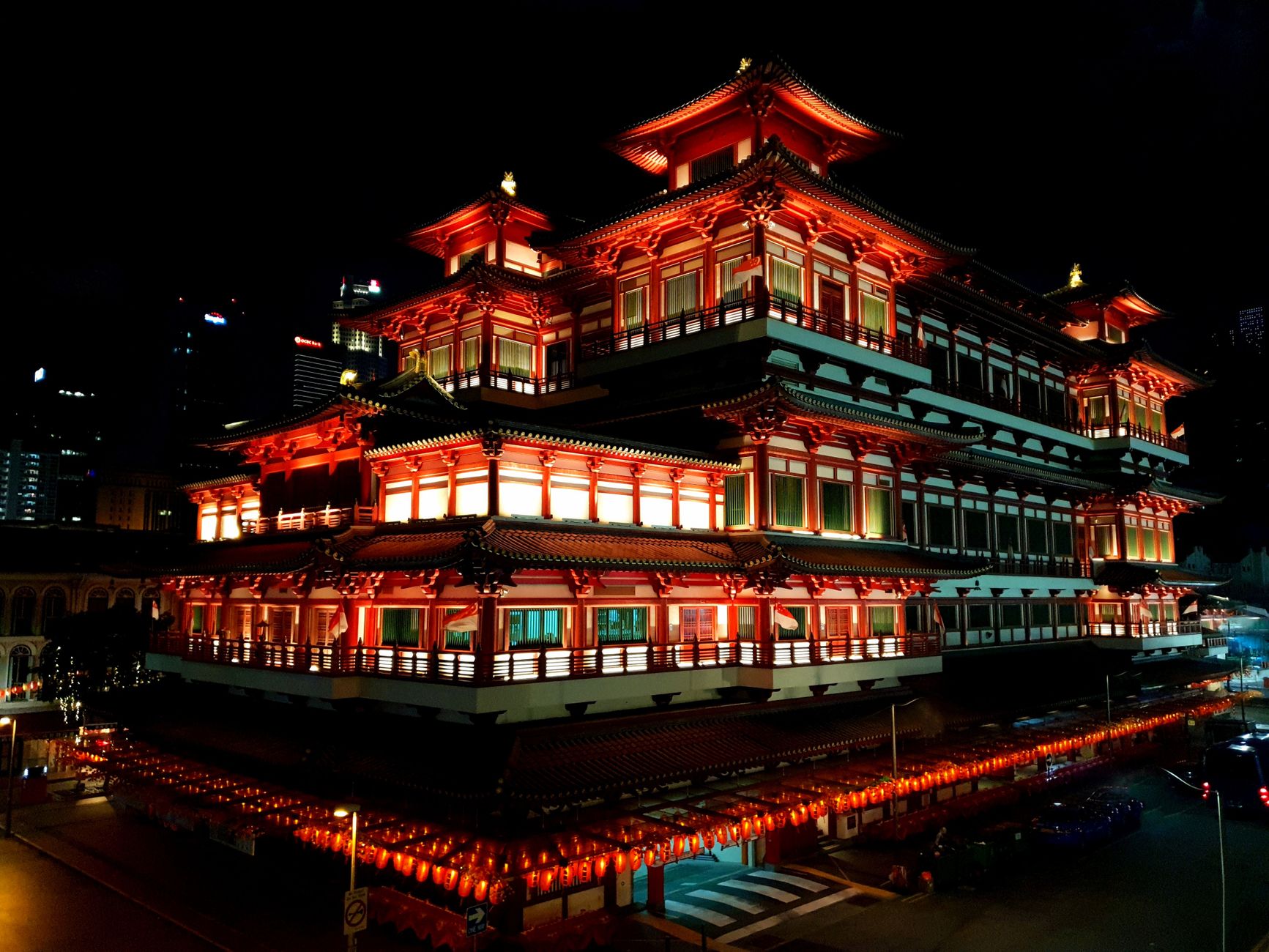
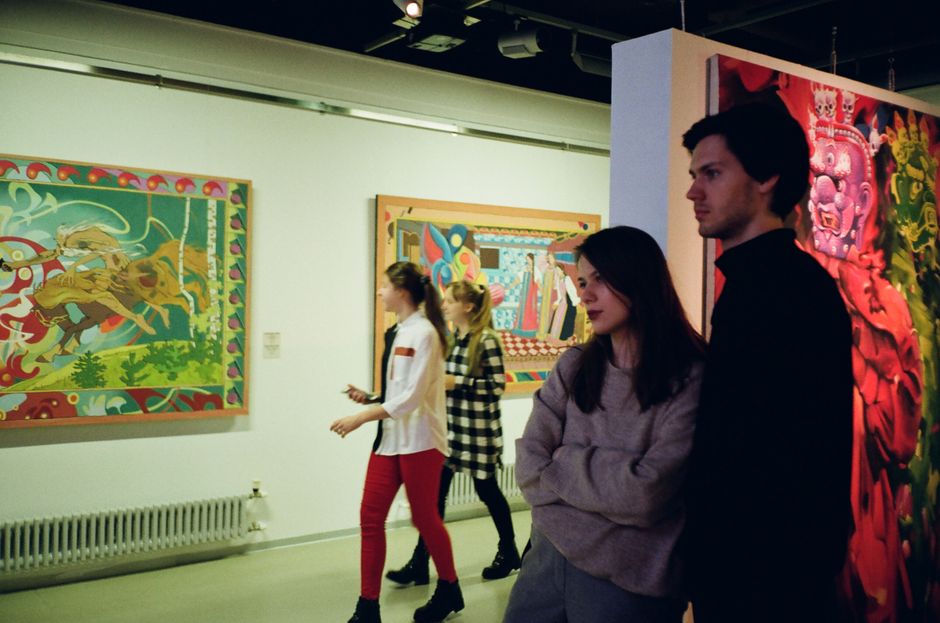
The building at 55 Tiong Bahru Road sat empty for three years, its wooden shutters rusting, its art deco tiles cracking under the equatorial sun. Today it pulses with crowds queuing for hours, their phones raised to capture every corner of an exhibition that has become the cultural moment Singapore didn't know it needed.
What began as a private obsession by a pair of architects—Melissa Chua and David Tay, both in their early forties—has quietly transformed into the city's most talked-about arts venue. The space, which they've dubbed "Remnants," opens its fourth exhibition this week to expected crowds that venue staff estimate could reach 8,000 visitors by Sunday. That's remarkable for a 2,500-square-metre warehouse with no marketing budget beyond Instagram posts.
Why Now? The Hunger for Unfiltered Culture
Singapore's art scene has grown deliberately curated over the past decade. The National Gallery Singapore, which opened in 2015 at the old Supreme Court and City Hall complex, shifted the city's cultural centre westward from Ann Siang Hill and the traditional gallery belt. That's good for institution-building. It's also made smaller, riskier work harder to see.
Remnants fills a gap that commercial galleries increasingly ignore. Entry is SGD 18 per person, with no membership tiers or corporate sponsorships. The exhibitions change every five weeks. Works aren't pre-vetted by a board of trustees. This month's show, "Unravelling," features fourteen Singapore-based and regional artists working across sculpture, video, and installation—mediums that require space most traditional galleries don't have.
"People are exhausted by algorithm-driven culture," said Jerome Tan, a freelance arts writer who visited last weekend. "They want to go somewhere and be surprised by what they find, not what Instagram tells them to find." Tan has covered the opening for three separate publications already, which signals something: critics are equally hungry for the unfamiliar.
The Conversion That Almost Didn't Happen
The Tiong Bahru structure was originally a printing factory built in the 1950s. Chua and Tay purchased it in March 2024 for SGD 3.2 million—a price that consumed their savings and required a construction loan from DBS. Renovation took fourteen months and cost approximately SGD 850,000. They worked with heritage consultants to preserve the original brick walls and steel beam structure while adding climate control, polished concrete flooring, and a makeshift café in the southern corner run by a rotating roster of coffee roasters.
They nearly abandoned the project in month eight. Municipal paperwork had stalled. A structural engineer found asbestos in the original roof cladding, requiring certified removal. The wet monsoon season delayed concrete curing. In conversations with their small circle, both Chua and Tay admitted publicly—in posts on their venue's Instagram account in December 2024—that they considered selling the building back at a loss. They didn't.
Today, ticket sales cover monthly overheads. They employ four full-time staff and hire freelance curators for exhibition design. The venue breaks even each month but doesn't yet generate profit. "That was never the goal," Chua wrote. "We wanted to make something that couldn't exist in Singapore otherwise."
If you're planning to visit, arrive before 4 p.m. Weekday evenings are quieter, though parking around Tiong Bahru can be challenging—use the HDB carpark at Block 78 instead and walk the five minutes across the neighbourhood. The exhibition runs through August 9.