This article was generated by AI from the linked public sources. The Daily Singapore is independently owned and covers Singapore news free from advertiser or sponsor influence. Read our editorial standards →
The National Heritage Board officially launched its 'Digital Archival Fellowship' this morning, signaling a pivot toward funding younger creators who document Singapore’s rapidly changing physical environment. This initiative hands $15,000 grants to twelve individuals under the age of 30, tasked with mapping the city’s intangible history before older landmarks fall to the wrecking ball. The program aims to bridge the gap between traditional state-led preservation and the grassroots documentation flourishing on social platforms.
Mapping the Vanishing Vernacular
For too long, the narrative of Singapore’s growth focused on gleaming glass towers in the Central Business District. Now, creators are pivoting to the peripheral aesthetic of the 1970s and 80s, focusing on the brutalist HDB blocks in Queenstown and the fading shopfronts along Jalan Besar. Groups like 'Save Our Heritage' have already begun hosting workshops at the ArtScience Museum, teaching residents how to use photogrammetry to build 3D models of soon-to-be-demolished hawker centers. These aren't just hobbyists; they are building a catalog of a city that physically erases itself every decade to make room for the next development phase.
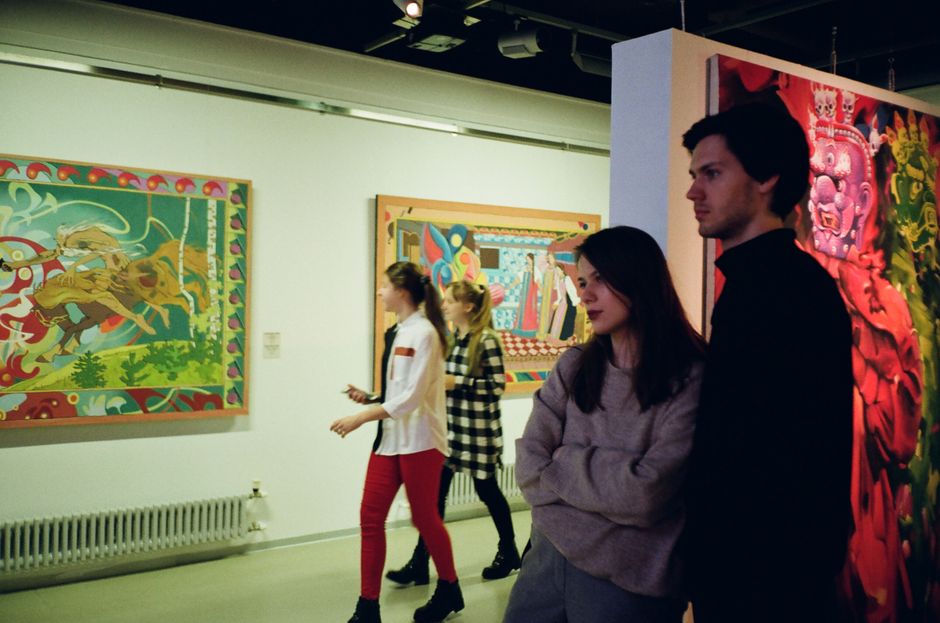
Economic data from the Ministry of Culture, Community and Youth reveals that heritage sector engagement among Gen Z has spiked by 22% since 2024. Market analysis suggests that small-scale local exhibitions, such as those held at the independent art space 72-13 on Mohamed Sultan Road, are now outdrawing established institutional retrospectives in sheer foot traffic. Participation fees for these workshops average $45, a price point that hasn't dampened demand; in fact, waitlists for the upcoming 'Concrete Memories' series at the National Library building are already capped at 200 people.
The Digital Preservation Shift
The urgency stems from the reality that historic districts like Geylang and Katong are undergoing intense gentrification. Young architects are no longer content to study the neoclassical designs of the colonial era; they are recording the acoustics of local wet markets and the specific typography of heritage neon signs. This shift toward 'sensory archiving' means that future planners might have access to the ambient noise profiles of Tiong Bahru alongside the blueprints of the buildings themselves.
As these fellowships commence, the real test will be whether the government allows these independent archives to influence official urban planning policy. For those interested in the next cycle of projects, the Singapore Heritage Festival’s open call for the 2027 season begins this September. Prospective applicants should prepare their portfolios now, as the board expects a record number of entries following this latest funding announcement. If you want to see the future of the city's identity, keep an eye on the digital footprints being left by those who refuse to let the past simply fade into the humidity.
Covering culture in Singapore. This article was generated by AI from the linked sources and was not reviewed by a human editor before publishing. See our editorial standards.