The Community and Movement Driving Singapore’s Cultural Shift Today
From Tiong Bahru to the heart of Geylang, a grassroots wave of independent curators is dismantling the old gallery-and-mall model to redefine the city’s creative pulse.
This article was generated by AI from the linked public sources. The Daily Singapore is independently owned and covers Singapore news free from advertiser or sponsor influence. Read our editorial standards →
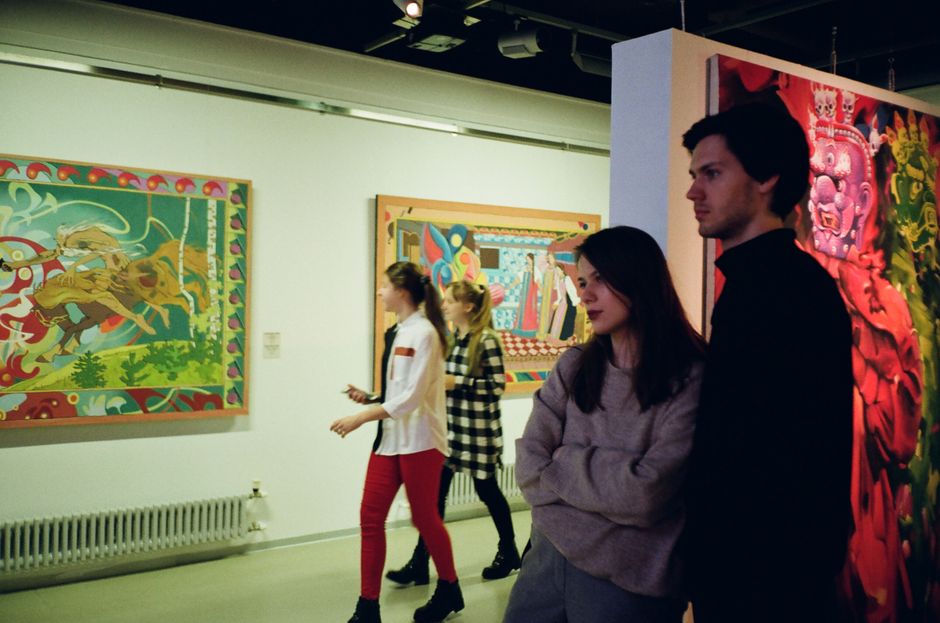
Singapore’s artistic identity is shedding its corporate veneer. A quiet but persistent movement of independent collectives, operating out of converted shophouses and industrial spaces, is successfully decentralizing the local scene. On the ground today, the shift is visible not in the glass-and-steel lobbies of Marina Bay, but in the gritty, collaborative workshops tucked away in the city’s heritage districts.
The Pivot Toward Independent Infrastructure
For years, Singapore’s cultural output was tethered to major state-funded institutions like the National Gallery or commercial hubs that prioritised high-footfall retail. That is changing. Collectives such as The Substation—now operating as a roving, nomadic entity—and the volunteer-led Grey Projects in Tiong Bahru have pioneered a new modular approach to exhibition. By eschewing permanent exhibition spaces, these groups are avoiding the crippling commercial rents that once silenced nascent talent. On Lorong 24A Geylang, independent artists have formed tight-knit residency programs that function less like traditional galleries and more like open-door laboratories for experimental sound design and printmaking.
This decentralisation is a reaction to the rigid top-down planning that defined the city’s creative output during the last decade. Cultural observers note that the current movement draws its energy from a younger demographic of polytechnic graduates and freelance curators who are tired of waiting for institutional approval. By pooling resources—ranging from shared studio costs to collective marketing budgets—these artists are creating a self-sustaining ecosystem that functions independently of grant cycles or government-linked corporate sponsorships.
Measuring the Momentum
Data from the National Arts Council’s recent feedback cycles suggests this appetite for alternative spaces is reaching a fever pitch. In 2025, applications for the 'Seed Grant' program, which supports non-traditional arts initiatives, saw a 22% increase in submissions compared to 2023. This is mirrored in the local economy of the arts: tickets for independent, community-curated festivals in areas like Jalan Besar now frequently sell out within 48 hours of release, often priced between $25 and $45 per entry. These figures represent a marked departure from the previous decade, where attendance was almost exclusively driven by massive, state-backed biennials or blockbuster museum shows.
The next twelve months will test the durability of this movement. Several key collectives are currently negotiating long-term lease agreements with private landlords in the Kallang and Lavender industrial zones, aiming to secure permanent “hubs” that remain free from the pressures of commercial retail mandates. For those looking to support this shift, the most direct path is to keep an eye on the programming at the Objectifs centre on Middle Road or attend the upcoming pop-up showcases scheduled for the September 'Art-in-Transit' series. These events are no longer just exhibitions; they are the front lines of a cultural transition that is making the city’s creative landscape more porous, more defiant, and significantly more local.
Covering culture in Singapore. This article was generated by AI from the linked sources and was not reviewed by a human editor before publishing. See our editorial standards.