culture
From Hawker Stalls to High-Tech Hubs: The History and Evolution of This Local Scene
As Singapore marks a milestone in its mid-year cultural calendar, we look at how the city-state shifted from traditional community gatherings to a global arts powerhouse.
How we reported this
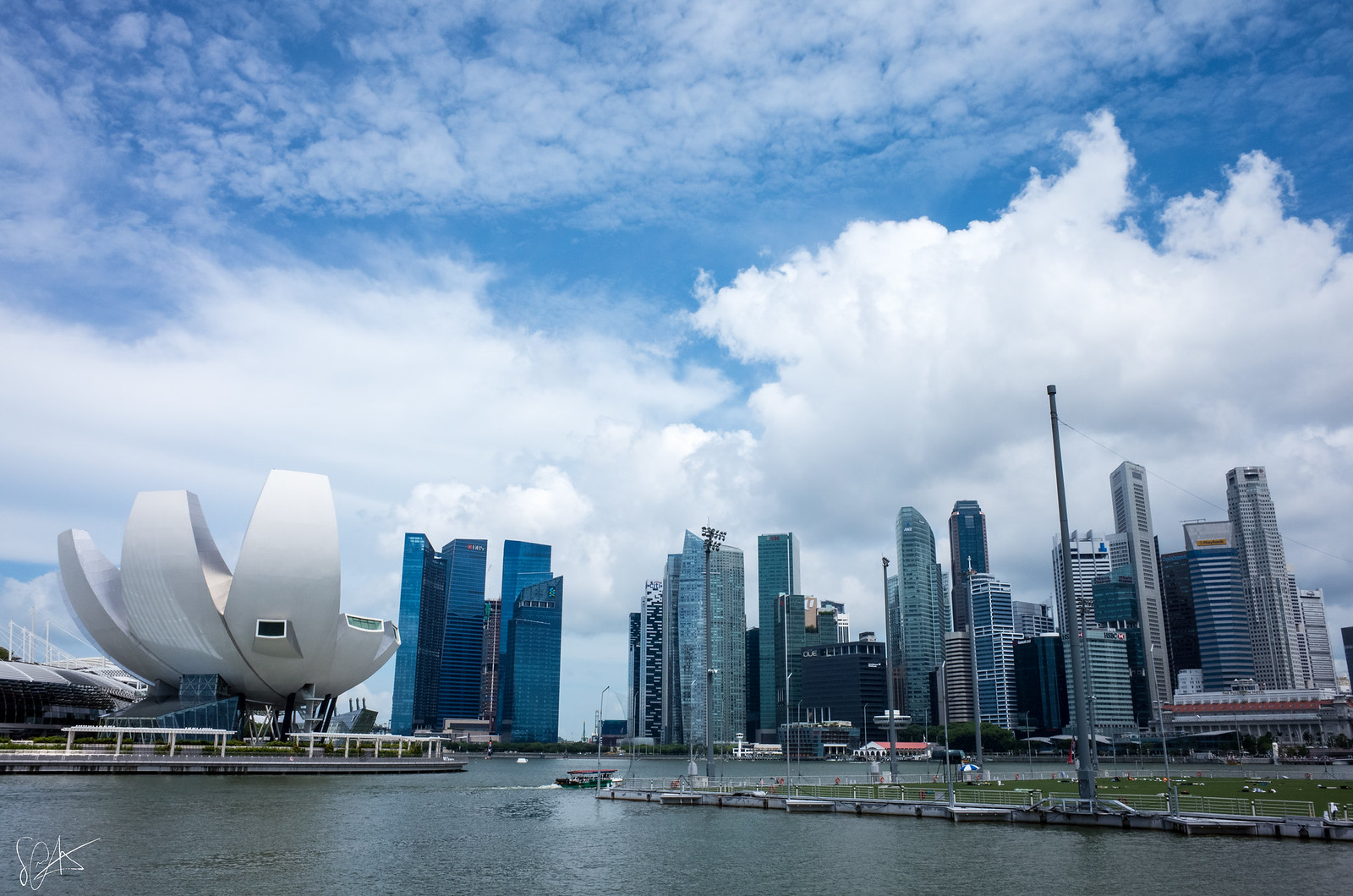
Singapore’s cultural landscape reaches a high point this weekend, July 5, 2026, as the National Heritage Board celebrates the expansion of the 'Roots.sg' digital archives, highlighting the rapid transformation of the city’s public spaces. While the city marks another weekend of high-intensity activity, the shift in how residents consume culture reveals a deliberate evolution from the ad-hoc community performances of the 1970s to the curated, institutionalized festivals of the present decade.
The Transition of Public Spaces
For decades, the heart of Singaporean life beat primarily in the communal spaces of HDB estates and the open-air hawker centers like the one at Tiong Bahru Market. These venues served as the original hubs for social life, evolving over time into the sophisticated cultural districts we navigate today. The National Arts Council reports that annual attendance at major arts venues, including the Esplanade, Theatres on the Bay, has grown consistently since its opening in 2002. This movement away from strictly localized community gatherings toward centralized, world-class hubs illustrates the city's strategy of positioning itself as a nexus for international touring productions.
Today, visitors and locals alike are moving through the Civic District, where the renovation of the National Museum of Singapore has changed how history is presented to the public. Unlike the informal gathering styles that defined the 1980s, current programming at the museum now draws on digital interactivity and global partnerships. Data from the Singapore Tourism Board indicates that international visitor spending on arts and culture activities reached over $800 million by the end of 2025, a figure that reflects the successful integration of high-end galleries and historical preservation zones like the Armenian Street area.
Reframing the Weekend Experience
The cost of engaging with the city’s history has also stabilized despite the growth in quality. A standard entry fee for local residents at the National Gallery Singapore remains $0, reflecting a policy aimed at broad cultural participation. This accessibility is a far cry from the limited, sporadic exhibitions of the post-independence era, where public arts funding was focused almost exclusively on basic infrastructure and housing development. Today, the infrastructure is as much about digital archiving as it is about physical gallery space.
For those looking to explore this evolution firsthand today, the advice is to move beyond the traditional core. Start your morning at the conserved shophouses along Petain Road in the Jalan Besar area, which offer a tangible look at the architectural evolution of the city. By the evening, a walk through the grounds of the Singapore Botanic Gardens, a UNESCO World Heritage site since 2015, provides a necessary contrast to the high-density development nearby. The city's cultural scene is no longer a static collection of buildings; it is a live, shifting archive that demands constant engagement to fully appreciate.