The numbers were brutal. The S&P 500 shed 1.95 per cent to close at 7,354, while the Nasdaq Composite fell 4.60 per cent to 25,298, one of its sharpest single-session declines in recent months. For the millions of Australians whose superannuation is anchored to growth-oriented, internationally diversified options, Monday's session was an uncomfortable reminder of how quickly offshore volatility can erode years of compounding gains.
Technology stocks bore the brunt of the selling, dragging the Nasdaq to levels that will force fund trustees into some uncomfortable conversations with members. Balanced and high-growth super options, which typically carry meaningful allocations to US equities and global tech, will feel this acutely when unit prices are recalculated. Funds that leaned into artificial intelligence and semiconductor names over the past two years now face the prospect of giving back a meaningful slice of those gains in a matter of sessions.
Singapore Holds Steady, but the Calm May Not Last
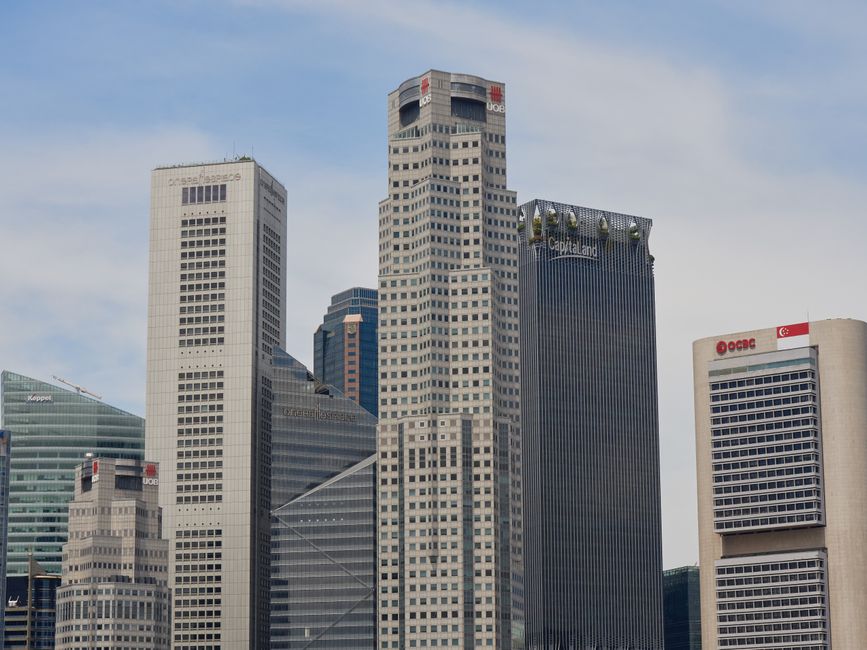
Against that backdrop, Singapore's Straits Times Index offered a measure of composure, edging up 0.09 per cent to 5,209. The STI's relative resilience reflects both its defensive sector weighting, with banks, REITs and industrials dominating the index, and Singapore's ongoing attraction as a regional wealth management hub insulated from the most speculative corners of global equity markets. Local REITs, while sensitive to rate expectations, are underpinned by tangible income streams that tend to cushion them against pure sentiment-driven selloffs.
Gold continued its remarkable run, rising 1.69 per cent to US$4,058 per troy ounce, a level that would have seemed extraordinary only a few years ago. The yellow metal's strength reflects a familiar flight-to-safety impulse, but also a more structural shift in how institutional investors are thinking about portfolio hedges in an environment where both equities and bonds have disappointed. For Singapore private banking clients with gold allocations, this is a moment of vindication.
Oil told a different story, with WTI crude slipping to US$70.06 per barrel, a modest fall that nonetheless points to softening demand expectations if equity markets are signalling an economic slowdown. Lower energy costs carry a modest benefit for Singapore's trade-dependent economy, though the margin is thin enough to offer little comfort to investors watching their screen portfolios redden.
Bitcoin steadied at US$60,023, rising 0.50 per cent, a muted response to equity carnage that some will read as a sign of maturing correlation dynamics, and others as a brief pause before the next directional move.
For superannuation members approaching retirement, the immediate lesson is one of sequencing risk. A sharp drawdown in the final years before drawdown can have an outsized impact on outcomes. Financial planners across Australia and Singapore are likely fielding calls today. The advice will be familiar: diversify, stay the course, and resist the urge to crystallise losses. Whether members listen is, as always, another matter entirely.
This article was compiled by AI from the sources linked above and screened before publishing. See our editorial standards.