Finance
Gold's 4% Surge and Oil's Retreat Signal a Fractured Quarter for Resources
Commodity markets are splitting into winners and losers in Q3, and Singapore's investors need to read both sides of the ledger.
4 min read
Updated 1 h ago
Finance
Commodity markets are splitting into winners and losers in Q3, and Singapore's investors need to read both sides of the ledger.
4 min read
Updated 1 h ago
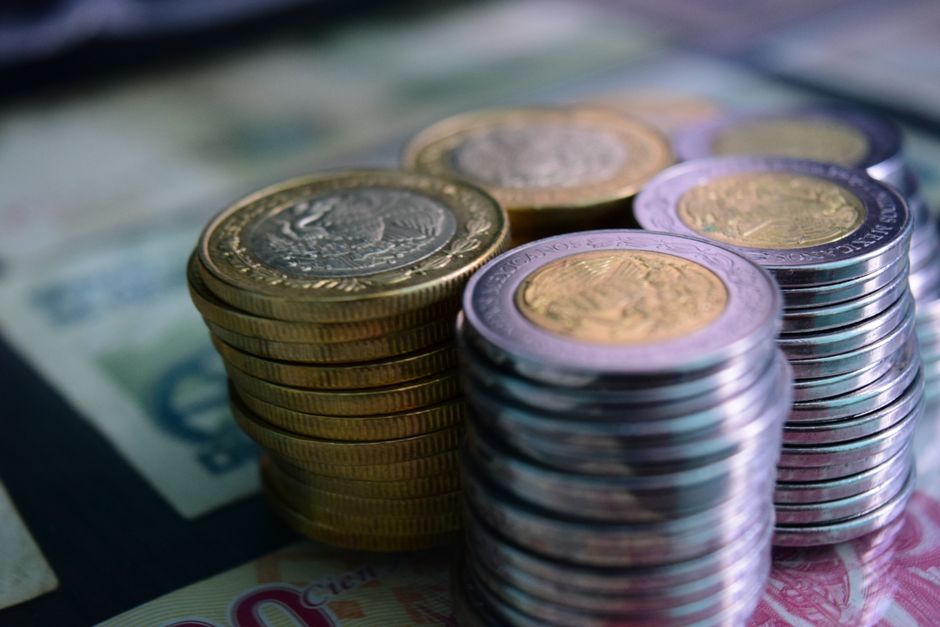
Gold hit $4,187 an ounce on Friday, up 4.10% in a single session, while WTI crude slid to $68.78 a barrel, down 2.78% on the day. That divergence, precious metals surging while energy retreats, defines where the resources sector stands as the third quarter gets underway. For Singapore-based investors, the split matters: the city-state sits at the intersection of Asian commodity flows, regional wealth management, and a local equity market where energy-linked names and industrial REITs both carry exposure to raw material prices.
The Straits Times Index closed at 5,244, up 1.01%, tracking a broad global risk rally that also lifted the S&P 500 to 7,483 and the Nasdaq Composite to 25,833. But the commodity story running underneath that equity strength is more complicated than a simple "risk-on" read. When gold rises sharply and oil falls on the same day, it typically reflects two competing forces: haven demand pushing into bullion, and demand pessimism, or rising supply expectations, dragging on crude. Both can be true simultaneously, and on Friday they were.
Spot gold's move through $4,000 earlier this quarter was treated as a psychological milestone; Friday's print of $4,187 suggests the market has no intention of retreating to that threshold any time soon. Central bank accumulation, particularly from institutions across Asia and the Middle East, has been a structural pillar under bullion all year. Singapore's own bullion trade, routed partly through the Singapore Precious Metals Exchange and partly through private banking vaults in the Marina Bay financial district, has seen sustained client interest, according to sentiment widely reported across the wealth management community here. For retail investors holding gold ETFs or allocated accounts through local private banks, the quarterly performance has been substantial.
Crude oil tells the opposite story. The WTI benchmark at $68.78 is uncomfortably close to levels that stress the capital expenditure plans of major producers, and a further retreat would begin to squeeze the earnings of regional oil services firms and energy traders with Singapore operations. Trafigura and Vitol both maintain significant Asian trading desks in the city. Lower crude also feeds through to Singapore's downstream petrochemical sector, which counts among the STI's industrial constituents. Cheaper feedstock can lift refining margins in the short run, but sustained price weakness signals softer end demand, which is rarely good news for the broader industrial complex.
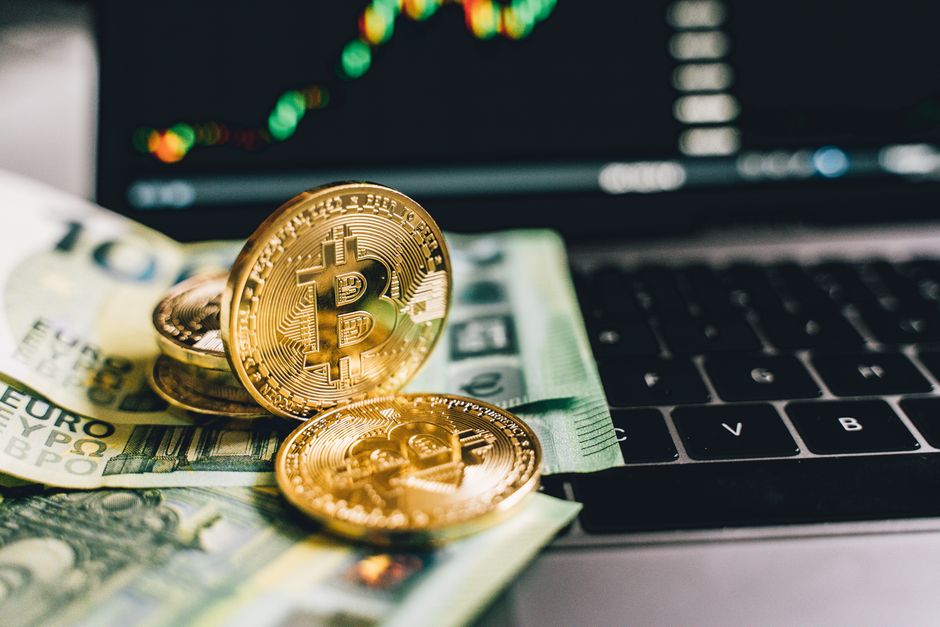
Bitcoin's 6.66% jump to $62,456 adds another layer to this quarter's resources narrative. Digital assets are increasingly traded alongside gold as alternative stores of value, and Friday's simultaneous rally in both suggests at least some investors are rotating away from conventional yield-bearing assets. Singapore's MAS-regulated digital asset framework, which has attracted exchanges including Coinbase and various tokenisation platforms since 2024, means local wealth managers are fielding more questions about crypto allocation than at any point since the 2021 cycle peak. The correlation between Bitcoin and gold is imperfect, but when both move sharply higher on the same session, it reflects a shared anxiety about currency stability and sovereign debt levels in major economies.
Singapore investors do not own resources in the same direct way as those in commodity-producing economies. The STI has no large diversified miners among its blue chips. Exposure comes instead through several indirect channels: offshore marine and oil-and-gas services companies listed on SGX, industrial and logistics REITs whose tenants include commodity processors and storage operators, and through regional funds distributed by DBS, OCBC and UOB that carry allocations to Asian energy and materials equities.
For REIT investors specifically, the oil price matters at the margin. Several SGX-listed industrial REITs hold assets including tank farms, chemical storage facilities, and port logistics centres whose rental income is tied to commodity throughput volumes. A sustained drop in crude below $65 per barrel would likely crimp occupancy demand at those facilities over a two-to-three quarter lag. That risk is not priced in aggressively yet, given Friday's broader STI strength, but it is one portfolio managers will be monitoring through the back half of the July-to-September period.
The quarter's trajectory for resources will hinge on two variables above all others: whether gold's safe-haven bid reflects a temporary shock or a durable repricing, and whether oil finds a floor before producers begin curtailing supply to defend margins. Singapore's position as a regional trading and wealth hub means it will feel both outcomes acutely, even if the island's own ground holds no ore and pumps no crude. Investors here should treat Friday's commodity split not as noise, but as a signal that this quarter will demand active, differentiated positioning across the resources complex.
Finance

Finance

Finance
Finance
About this article
Published by The Daily Singapore
Spread the word
Daily brief
Free, in your inbox before 7am. Weekdays.
Before you go
The day's Singapore news in a 2-minute read. Free, weekday mornings.