The Faces Behind Singapore's Markets: How Vendors Shape Our Retail Soul
From Chinatown to Geylang Serai, the stallholders and shopkeepers who've built Singapore's markets are the real treasures.
3 min read
From Chinatown to Geylang Serai, the stallholders and shopkeepers who've built Singapore's markets are the real treasures.
3 min read
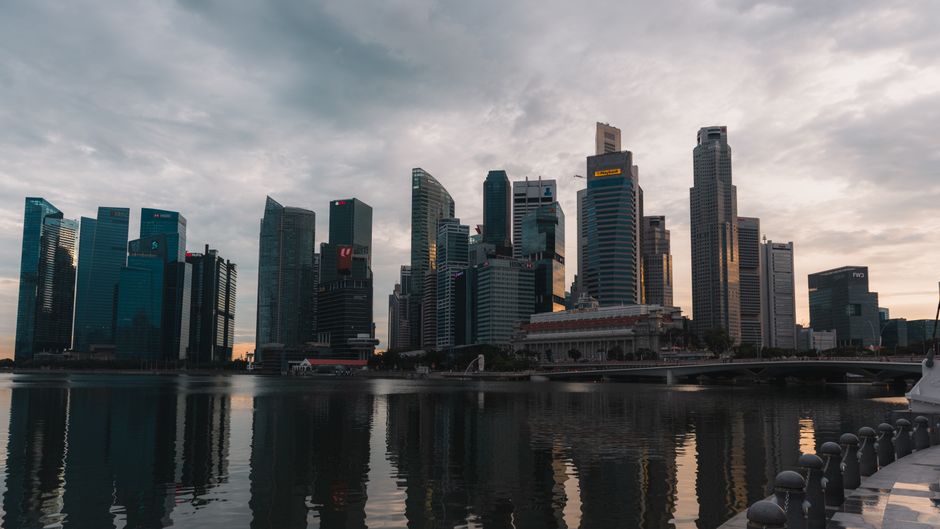
Walk through Chinatown Complex on a Saturday morning and you'll encounter something increasingly rare in our gleaming shopping malls: the unmistakable energy of human connection. Between the rows of produce, textiles and trinkets, the faces behind Singapore's markets tell stories that no algorithm can replicate.
The wet markets remain Singapore's beating heart of retail culture. According to the Singapore National Trades Union Congress, around 14,000 market vendors operate across our heartlands, many running family operations that span generations. At the iconic Tekka Market in Little India—a 107-year-old institution that draws over 50,000 visitors weekly—you'll find multi-generational merchants who've watched the neighbourhood transform while keeping their craft alive. The spice merchants, textile vendors and jewellers here aren't just selling goods; they're custodians of cultural continuity in an increasingly homogenised retail landscape.
What distinguishes these spaces from e-commerce is the tactile reality of trust. Regular customers at Geylang Serai Market know their fishmonger by name, negotiate prices not as transactions but as conversations, and receive recommendations rooted in genuine relationships. These interactions remain irreplaceable—market vendors have intimate knowledge of their communities' tastes, dietary needs, and seasonal preferences that no corporate inventory system can match.
The economics tell an interesting story too. A stall at HDB void deck markets typically costs $200-400 monthly, far more accessible than retail shop rents in Orchard Road. This accessibility has enabled diverse entrepreneurship: recent arrivals, retirees supplementing pensions, and traditional craftspeople to maintain their livelihoods. The National Environment Agency reported that Singapore's 107 wet markets collectively generated an estimated $800 million in annual sales in 2024.
Yet these spaces face pressure. The average age of market vendors exceeds 55, with succession challenges as younger Singaporeans pursue different careers. Several established vendors have retired in recent years, their stalls absorbed or left vacant. Urban development pressures around Bukit Merah and Tanjong Pagar have displaced historic markets, though community-led initiatives like the Tiong Bahru Market renovation attempted to preserve cultural value while modernising facilities.
The resilience of these markets, however, reveals something vital about Singapore's character. We're not just a city of efficiency and innovation—we're also one where Mrs Lim's fish stall at Pasir Ris, or the fabric vendor at Mustafa Centre who remembers every customer's preferences, remain indispensable. These faces, these stories, these relationships form the irreplaceable texture of our retail identity.
This article was compiled by AI from the sources linked above and screened before publishing. See our editorial standards.
About this article
Published by The Daily Singapore
Spread the word
Daily brief
Free, in your inbox before 7am. Weekdays.
The Daily Network — local news across Australia