How Tiong Bahru's Family Culture Is Shifting as Young Parents Reshape the Neighbourhood
Once a quiet enclave for retirees, this heritage district is becoming a hub for millennial families seeking authenticity over polish.
2 min read
Updated 5 h ago
Once a quiet enclave for retirees, this heritage district is becoming a hub for millennial families seeking authenticity over polish.
2 min read
Updated 5 h ago
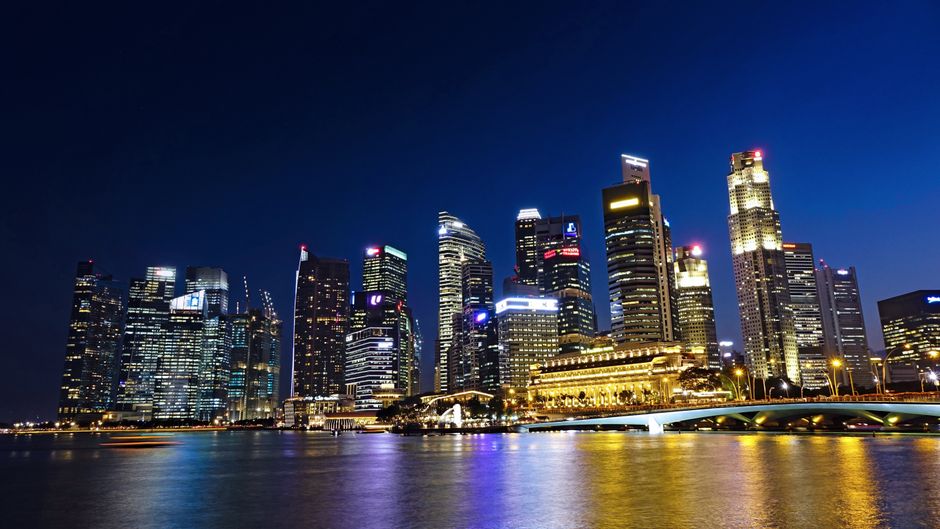
Tiong Bahru, Singapore's oldest public housing estate, has long evoked nostalgia—elderly residents playing chess on Seng Poh Road, coffee shops echoing with Hokkien chatter, rows of Art Deco shophouses frozen in time. But walk through the neighbourhood today and you'll notice something shifting beneath the surface: prams alongside walking sticks, young parents reclaiming communal spaces their grandparents inhabited, schools adapting to a demographic realignment that demographers hadn't quite predicted.
The transformation became visible around 2023, when property prices in the area began climbing faster than in comparable central districts. Young professionals, priced out of areas like Orchard and Bukit Timah, started eyeing the two- and three-room flats here. By mid-2026, median resale prices had jumped nearly 18 per cent over three years—still significantly cheaper than newer estates like Ang Mo Kio, but expensive enough to signal genuine desirability.
This influx is reshaping how families use the neighbourhood. Tiong Bahru Primary School, which saw declining enrolment in the early 2020s, now has a waiting list. The school has expanded its enrichment programmes—coding clubs, mother-tongue drama classes—to cater to parents who view education through a decidedly modern lens. Meanwhile, the community playground on Seng Poh Road underwent a $1.2 million renovation in 2024, adding sensory equipment and shaded rest areas that reflect current child development thinking.
The retail landscape is shifting too. Traditional medicine shops and provision stores are gradually being replaced by family-friendly cafés and independent children's boutiques. Tiong Bahru Plaza, the neighbourhood's central mall, now hosts weekly parent-and-baby yoga sessions and hosts a rotating schedule of paediatricians' clinics—services unimaginable here a decade ago.
Yet this evolution remains precarious. Long-time residents worry about gentrification erasing the neighbourhood's character. Community leaders have pushed for heritage conservation initiatives and affordable childcare options to ensure younger families aren't entirely replaced by wealthier transplants. The nearby Tiong Bahru wet market, once facing closure threats, has been revived partly through support from young parents who view it as an authentic alternative to supermarkets.
What's emerging is an unusual hybrid: a neighbourhood where 80-year-old residents and 30-year-old parents increasingly cross paths, where heritage preservation and modern parenting collide. For Singapore's housing-constrained families, Tiong Bahru represents something increasingly rare—a place that is both affordable and aspirational, old and new.
This article was compiled by AI from the sources linked above and screened before publishing. See our editorial standards.
About this article
Published by The Daily Singapore
Spread the word
Daily brief
Free, in your inbox before 7am. Weekdays.
The Daily Network — local news across Australia