Behind the Bar: How Singapore's Neighbourhoods Define Their Nightlife Identity
From Boat Quay's heritage charm to Tanjong Pagar's underground energy, each district's bar scene reflects the communities that shape it.
3 min read
Updated 5 h ago
From Boat Quay's heritage charm to Tanjong Pagar's underground energy, each district's bar scene reflects the communities that shape it.
3 min read
Updated 5 h ago
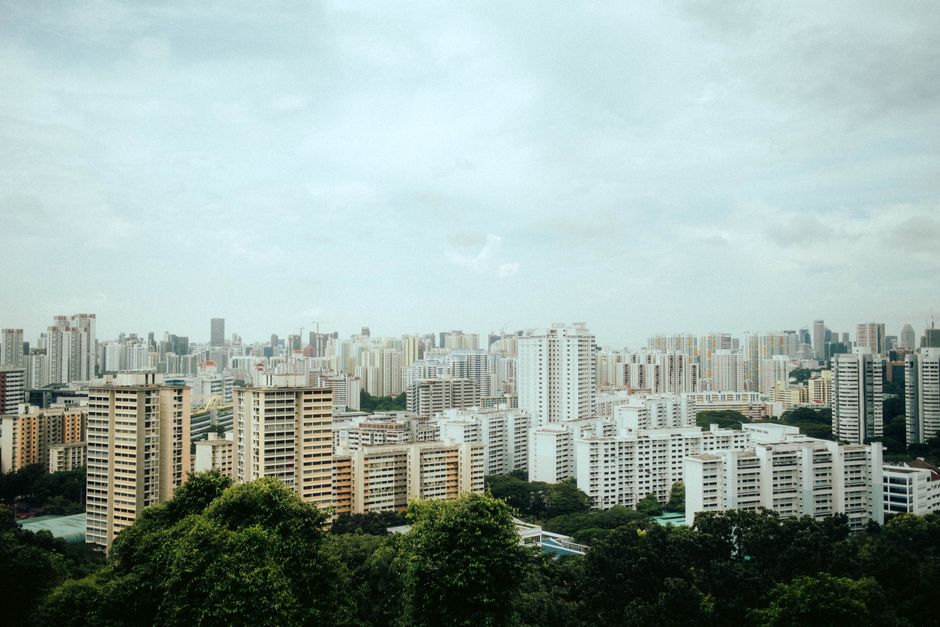
Singapore's nightlife isn't monolithic. Walk into a bar in Boat Quay and you'll find yourself in a living museum of colonial nostalgia; venture into Tanjong Pagar and the vibe shifts entirely—edgier, more experimental, decidedly younger. These aren't just geographical distinctions. They're expressions of deeply rooted neighbourhood character that have evolved over decades.
Boat Quay remains the spiritual heart of Singapore's heritage nightlife. The restored shophouses along the Singapore River host establishments that cater to an older, more affluent demographic—places where expats and well-heeled locals nurse craft cocktails at $18-$24 a pop while soaking in river views and curated colonial aesthetics. The neighbourhood's character attracts visitors seeking Instagram-worthy moments and a sanitised version of "old Singapore." But venture onto nearby Ann Siang Hill, and you'll discover a younger, more design-conscious crowd gravitating towards wine bars and speakeasy-style venues tucked into converted residential spaces. The intimate scale of these establishments shapes the social experience entirely—conversations feel more genuine, less transactional.
Tanjong Pagar tells a different story altogether. Once a red-light district, it has transformed into Singapore's epicentre of underground culture. The narrow streets host dive bars, craft beer joints, and late-night karaoke venues that draw a genuinely mixed crowd—students, creative professionals, blue-collar workers, and visiting musicians sharing the same sticky-floored spaces. A beer here costs $7-$12, and the ethos is decidedly anti-establishment. Local grassroots initiatives and independent bar owners have deliberately resisted corporate homogenisation, preserving the neighbourhood's working-class authenticity despite spiralling rents.
Then there's Clarke Quay, which occupies a peculiar middle ground. Its riverside promenade has become a tourism machine, with standardised chains and theme bars dominating the landscape. Yet side streets still harbour pockets of genuine local character—hawker stalls operating until 2am, neighbourhood bars where regulars have sat for fifteen years, and grassroots music venues hosting local bands most tourists never discover.
What's remarkable about Singapore's bar scene isn't the venues themselves, but how neighbourhood identity actively shapes social behaviour. Boat Quay visitors dress up; Tanjong Pagar patrons dress down. Boat Quay encourages short visits between dinner and home; Tanjong Pagar fosters all-night exploration. These patterns aren't accidental. They emerge from decades of community choices, property values, and grassroots resistance or acceptance of commercialisation.
As Singapore continues densifying, these neighbourhood distinctions matter more than ever—they're the last remaining markers of authentic urban life in an increasingly homogenised city.
This article was compiled by AI from the sources linked above and screened before publishing. See our editorial standards.
About this article
Published by The Daily Singapore
Spread the word
Daily brief
Free, in your inbox before 7am. Weekdays.
The Daily Network — local news across Australia