Beyond the Instagram Spots: What Makes Each Singapore Neighbourhood Worth a Weekend Return
Forget the guidebook hits—we discovered what locals actually cherish about their own backyard communities.
2 min read
Forget the guidebook hits—we discovered what locals actually cherish about their own backyard communities.
2 min read
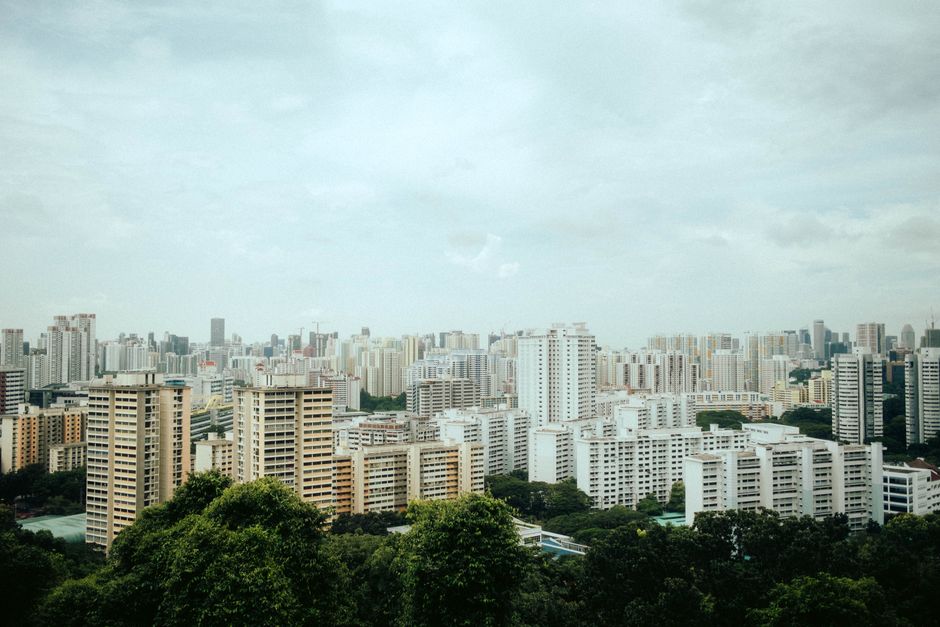
Singapore's weekend leisure landscape has shifted quietly over the past three years. While tourists queue at Marina Bay Sands and Sentosa, neighbourhood regulars know that the real character—and the best-kept secrets—live in the everyday streets where communities actually gather.
Take Tiong Bahru, where the Saturday morning rhythm tells the story. The wet market on Seng Poh Road draws multi-generational shoppers by 7am, their canvas bags filling with live seafood and seasonal vegetables. But stick around past noon, and you'll find the neighbourhood's true pulse: art galleries converted from pre-war shophouses, independent cafés tucked along Eng Hoon Street, and the sprawling Tiong Bahru Community Centre where residents attend tai chi classes and pottery workshops. The neighbourhood attracted a 12 per cent increase in visitors last year, according to local business association data, yet it maintains an unhurried, intimate feel absent from more commercialised districts.
Meanwhile, Katong in the East has reclaimed its identity as Singapore's Peranakan heritage hub without losing its lived-in character. Along Joo Chiat Road, traditional shophouses painted in signature pastels still house family-run businesses—jewellers, tailors, heritage craftspeople—operating for decades. Weekend foot traffic has doubled in the past 18 months, yet you'll still see retirees lingering over kopi at established kopitiam, and children cycling past the Katong Community Club where after-school programmes keep the neighbourhood grounded in family life.
The emerging community-centric trend extends to Bukit Merah, where the waterfront Neighbourhood Link at Alexandra Road has become a hub for weekend classes—everything from ukulele lessons to cooking demonstrations using sustainable ingredients. The space draws about 800 visitors weekly, reflecting how modern Singapore residents increasingly seek activities that deepen local connections rather than consume experiences.
What unites these neighbourhoods? Accessibility, affordability, and genuine social fabric. A Saturday morning at Tiong Bahru's market costs nothing but time. A pottery class at the community centre runs about $30. A leisurely lunch along Joo Chiat's heritage stretch rarely exceeds $15 per person.
This shift matters. As global cities homogenise, Singapore's neighbourhoods offer something increasingly rare: spaces where weekend leisure means becoming, temporarily, part of a real community. Not a backdrop for stories, but a living, breathing place where locals have chosen to spend their Saturdays for years.
Your next day trip isn't waiting on an Instagram map. It's waiting on your own street.
This article was compiled by AI from the sources linked above and screened before publishing. See our editorial standards.
About this article
Published by The Daily Singapore
Spread the word
Daily brief
Free, in your inbox before 7am. Weekdays.
The Daily Network — local news across Australia