Singapore's Expat Scene Has Quietly Transformed—Here's Why Locals Are Embracing It
From revamped neighbourhoods to new cultural hubs, recent changes in Singapore's international community are reshaping how everyone experiences the city.
2 min read
From revamped neighbourhoods to new cultural hubs, recent changes in Singapore's international community are reshaping how everyone experiences the city.
2 min read
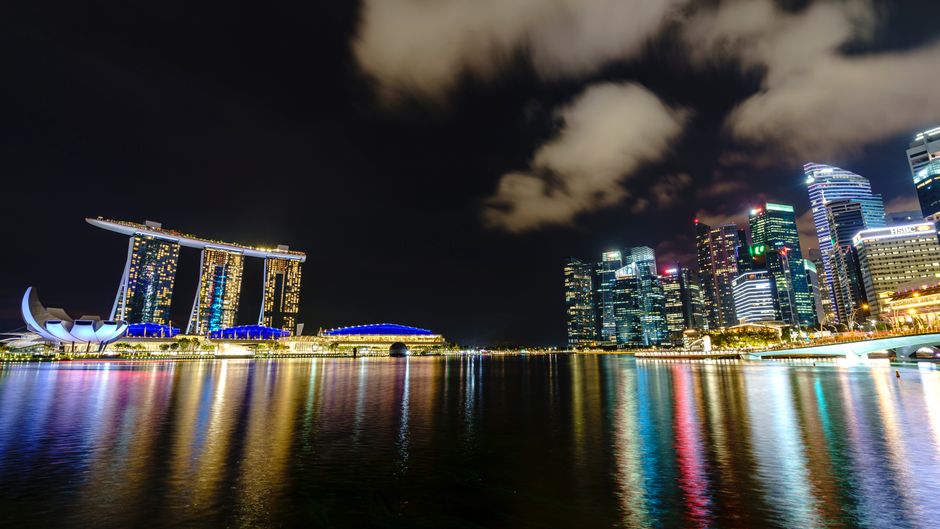
If you're considering a move to Singapore, timing matters. The last 18 months have brought subtle but meaningful shifts to how expats integrate into this island city—and locals are noticing in ways both practical and cultural.
The most visible change centres on neighbourhood regeneration. Areas like Tiong Bahru and Joo Chiat, once perceived as purely expat enclaves, have become genuine mixed communities. Local hawker operators report increased foot traffic from international residents discovering authentic Singapore cuisine, while property values have stabilised after years of rapid appreciation. The median expat housing budget still hovers around SGD 4,500–6,500 monthly for a three-bedroom apartment in prime areas like the Central Business District or Holland Village, but secondary neighbourhoods now offer compelling alternatives without sacrificing lifestyle.
What's driving locals' newfound enthusiasm is cultural reciprocity. Expat-led initiatives—from sustainability-focused markets in Clementi to heritage walking tours organised through the Indian Heritage Centre—have stopped being insular and started engaging Singaporean participants meaningfully. The proliferation of multilingual community groups via platforms like Inter-Community, a voluntary welfare organisation, has reduced the traditional "expat bubble" mentality that once frustrated long-term residents.
Workplace integration has accelerated too. Singapore's Economic Development Board reported in early 2026 that visa processing times for skilled workers dropped by 30 per cent, smoothing transition periods that historically created friction. More importantly, companies now routinely pair new expat hires with local mentors, fostering genuine professional relationships rather than siloed teams.
The dining and entertainment landscape reflects this shift most vividly. While Boat Quay and Clarke Quay retain their international character, emerging hotspots like the refurbished areas around Kampong Glam blend local enterprises with thoughtful expat-owned ventures. Rather than replacing tradition, newer venues increasingly celebrate it—think craft cocktail bars that feature local artisans or fitness studios offering classes in both English and Mandarin.
For newcomers, this evolution means less culture shock and better community. Yes, Singapore remains expensive and dense. Yes, the bureaucratic machinery requires patience. But the perception among established residents—both local and long-term expat—has genuinely warmed. The city's tight-knit nature now reads as welcoming rather than exclusionary, largely because integration flows both directions.
Whether you're arriving for a two-year posting or longer, arriving in 2026 means joining a community that's actively redefining what "home" means in one of Asia's most dynamic cities.
This article was compiled by AI from the sources linked above and screened before publishing. See our editorial standards.
About this article
Published by The Daily Singapore
Spread the word
Daily brief
Free, in your inbox before 7am. Weekdays.
The Daily Network — local news across Australia