From Car Culture to Connectivity: How Singapore's East Coast Is Reinventing Commuting
As new cycling networks and integrated transport hubs transform East Coast Road, the neighbourhood is shedding its car-dependent identity.
3 min read
As new cycling networks and integrated transport hubs transform East Coast Road, the neighbourhood is shedding its car-dependent identity.
3 min read
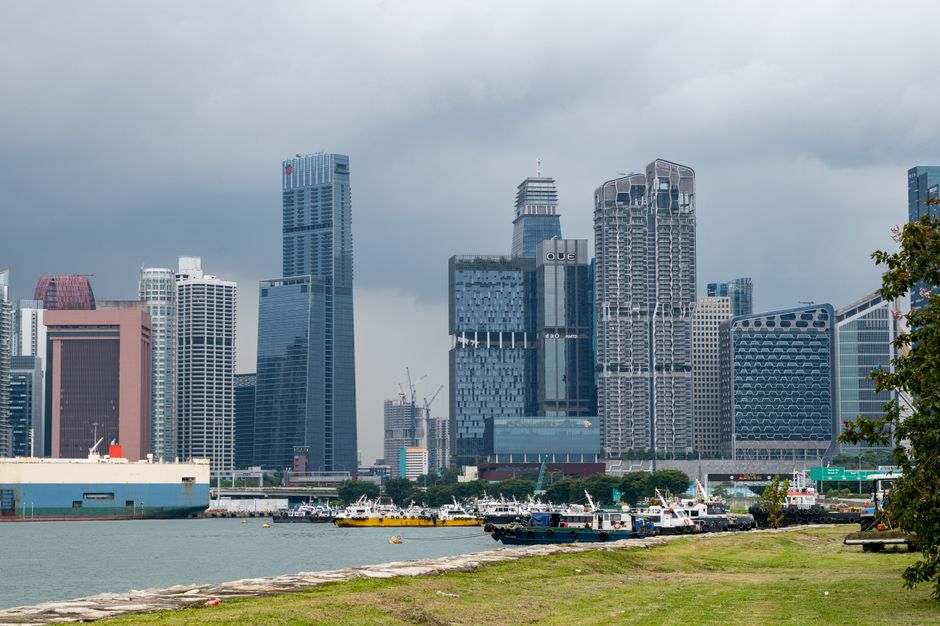
Walk along East Coast Road on a Saturday morning, and you'll notice something shifting beneath Singapore's familiar urban landscape. Where once gridlocked traffic defined this coastal corridor, a new mobility ecosystem is quietly taking root—one that's fundamentally reshaping how residents navigate the neighbourhood.
The transformation accelerated dramatically with the completion of the East Coast Park Connector expansion last year, which now seamlessly links Bedok, Katong, and Marine Parade with dedicated cycling paths. The 7km extension has proven wildly popular: park connector usage in the East Coast cluster surged 34 per cent in the first nine months, according to preliminary data from the National Parks Board. What's striking isn't just the numbers—it's the demographic diversity. Beyond the weekend cyclists, office workers are increasingly choosing pedal power for the 2-3km commute to Tanjong Rhu's business parks, shaving 15-20 minutes off their journey time.
But the real revolution is happening at the last-mile problem. The redesigned Katong Mall has emerged as an unexpected transport hub, integrating bus services, a new bike-sharing station operated by Neuron Mobility, and a vertical parking facility that frees up streetside space. Monthly passes for the bike-sharing scheme cost $15—undercutting traditional car ownership costs—and uptake among young professionals in the area has been brisk.
The Land Transport Authority's broader vision for the neighbourhood, detailed in its June 2025 planning documents, envisions a 40 per cent reduction in private vehicle trips along East Coast Road by 2030. That might sound ambitious, but local property agents report that proximity to transport nodes now commands a premium. Residents within 300 metres of the Katong Park Connector entrance are seeing rental premiums of 8-12 per cent compared to five years ago.
Not everyone celebrates the shift. Older residents, accustomed to the convenience of driving to Joo Chiat's hawker centres and independent shops, fret about accessibility. The LTA has responded by introducing dedicated pickup zones for ride-hailing services at key intersections—a compromise that acknowledges the neighbourhood's evolving but still-diverse mobility needs.
Yet the cultural shift is undeniable. A new generation of East Coast residents is redefining what neighbourhood connectivity means, favouring reliable buses, growing cycling infrastructure, and walkable streetscapes over the open road. East Coast Road, once a thoroughfare to escape the neighbourhood, is becoming a destination—precisely because you no longer need a car to enjoy it.
This article was compiled by AI from the sources linked above and screened before publishing. See our editorial standards.
About this article
Published by The Daily Singapore
Spread the word
Daily brief
Free, in your inbox before 7am. Weekdays.
The Daily Network — local news across Australia