Your Neighbourhood Discovery Guide: How to Truly Get to Know Singapore's Hidden Gems
From Tiong Bahru's heritage lanes to Katong's multicultural streets, here's how residents can dive deeper into their own backyard.
3 min read
From Tiong Bahru's heritage lanes to Katong's multicultural streets, here's how residents can dive deeper into their own backyard.
3 min read
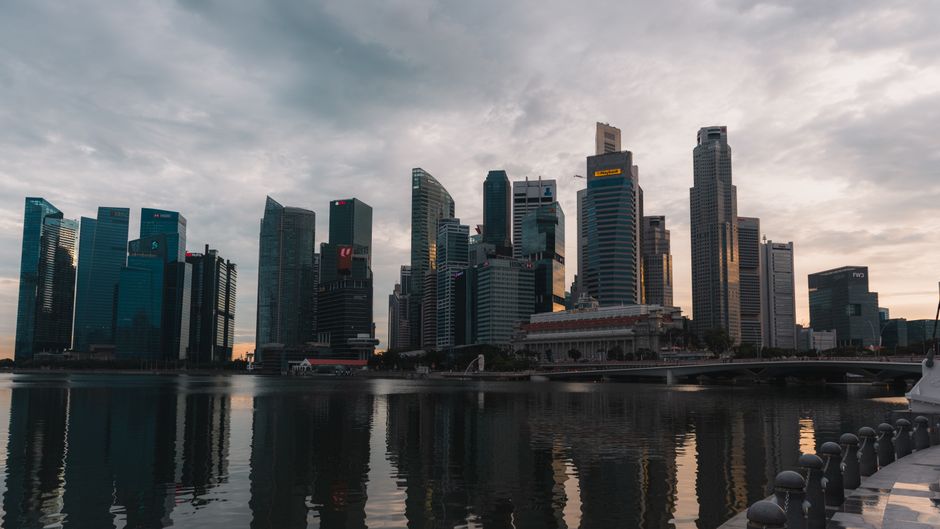
Singapore's reputation as a gleaming financial hub often overshadows its real identity: a deeply layered archipelago of distinct, liveable neighbourhoods waiting to be explored. Whether you've just arrived or spent years here, rediscovering your surroundings can transform how you experience city living.
Start with Tiong Bahru, the city's oldest public housing estate. Beyond the Instagram-famous vintage shops along Eng Hoon Street, the neighbourhood thrives with community spirit. Pop into the wet market on Seng Poh Road—open daily from 6am—where stallholders know regular customers by name. Grab coffee at one of the numerous kopitiam scattered throughout, where a cup costs under S$2. The Tiong Bahru Community Club on Seng Poh Lane regularly hosts free fitness classes and art workshops, making it easy to connect with neighbours organically.
For something distinctly multicultural, explore Katong and Joo Chiat. This Peranakan heartland pulses with lived heritage. Walk down East Coast Road on a weekend morning and you'll encounter art galleries, bespoke tailors, and family-run restaurants operating for decades. The Singapore Peranakan Museum, located at 39 Armenian Street (just beyond the precinct), offers deeper context, though many locals simply prefer leisurely Sunday brunches at establishments along Koon Seng Road.
Neighbourhood exploration requires intentionality. Join platforms like Residents' Network Singapore or local Telegram groups—most HDB estates maintain active community channels where residents share tips about new hawker stalls, renovation contractors, and community events. The Singapore National Day Parade, held annually on August 9th, transforms entire neighbourhoods into celebration hubs; attending one in your local precinct beats watching from the Marina.
Consider volunteering through organisations like Yellow Ribbon Singapore or community centres. You'll meet neighbours with whom you share genuine purpose, not just proximity. Most constituency community clubs offer programmes ranging from cooking classes (S$10-20) to English conversation groups, often subsidised for residents.
Budget-conscious exploration pays dividends. Wandering Geylang's lanes reveals affordable Vietnamese pho shops and textile traders. Visiting Tiong Bahru's community library connects you with local history archives and regular book club meetings. These encounters—stumbling upon a new hawker stall, chatting with elderly neighbours, discovering weekend tai chi sessions in neighbourhood parks—constitute genuine urban life.
The most overlooked neighbourhood resource? Your local grassroots leader. MP or constituency assistant can explain upcoming precinct improvements, community initiatives, and resident programmes designed specifically for your area. A five-minute conversation often reveals opportunities invisible to casual visitors.
City living transforms from transient existence into rooted community when you deliberately engage with your surroundings. Singapore's neighbourhoods reward this curiosity generously.
This article was compiled by AI from the sources linked above and screened before publishing. See our editorial standards.
About this article
Published by The Daily Singapore
Spread the word
Daily brief
Free, in your inbox before 7am. Weekdays.
The Daily Network — local news across Australia