Why Singapore's Commute Puts Global Cities to Shame
From 24-hour MRT trains to integrated payment systems, here's what sets this island's transport network apart from London, Tokyo and New York.
3 min read
Updated 1 min ago
From 24-hour MRT trains to integrated payment systems, here's what sets this island's transport network apart from London, Tokyo and New York.
3 min read
Updated 1 min ago
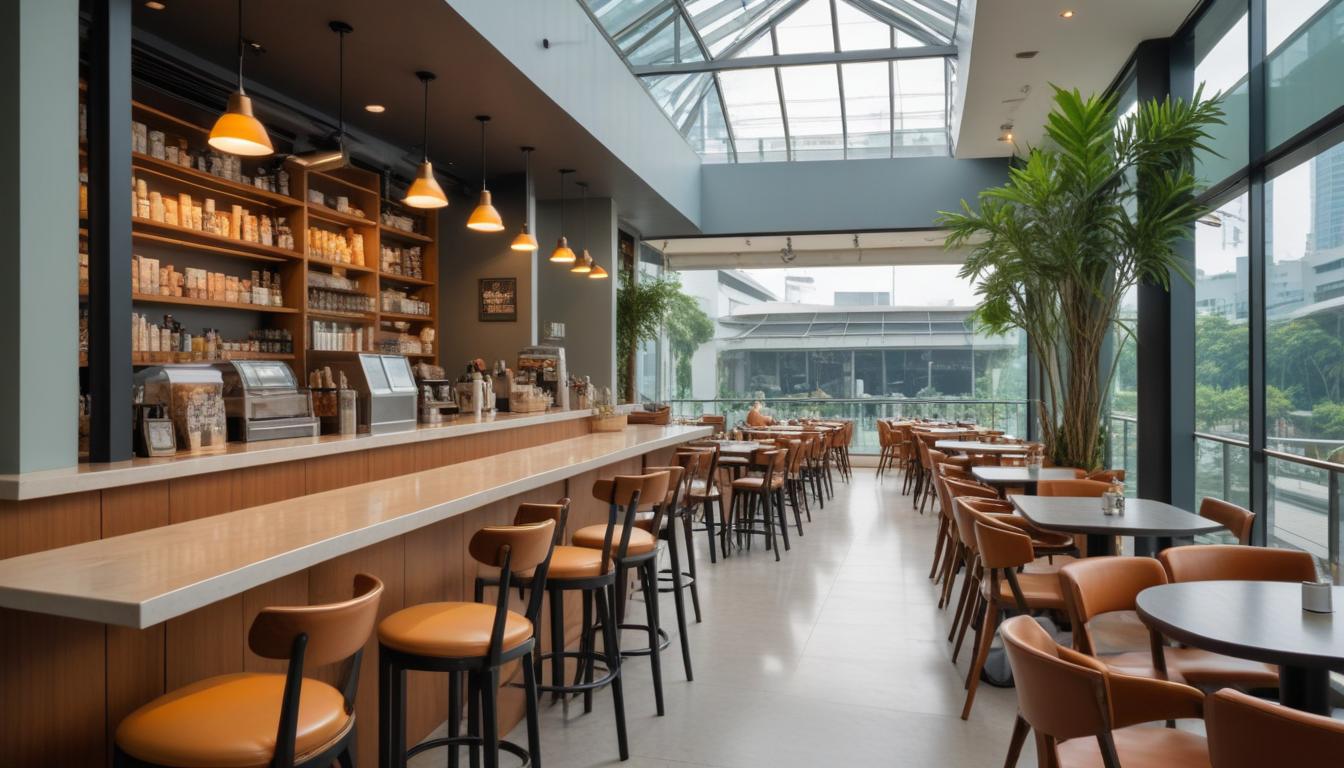
Mention your commute to a friend visiting from London or New York, and you'll likely get envious looks. Singapore's transport system doesn't just move people efficiently—it has fundamentally reimagined what urban mobility can be, setting a benchmark that global cities are still scrambling to match.
The numbers tell part of the story. The MRT network spans 230 kilometres across six lines, moving 2.8 million commuters daily with a punctuality rate exceeding 99 per cent. Compare that to London's Tube, where delays are so routine they barely make headlines, or New York's subway, where a train arriving on time feels like a minor miracle. Yet Singapore's achievement becomes even more remarkable when you consider it services a population of just 5.7 million across an island roughly the size of a large city.
The integrated payment ecosystem here is genuinely ahead of the curve. Your contactless card—whether it's an EZ-Link or simply your phone—works seamlessly across the MRT, buses, and even taxis. Try doing that across different transport operators in most other cities without downloading five separate apps and maintaining separate accounts. The system is so seamless that visitors often comment they can navigate the entire island without understanding how much they've actually spent.
But perhaps the most distinctive feature is the 24-hour MRT service on weekends and public holidays. While commuters in Singapore can catch the last train home at 2am after a night out in Clarke Quay or the CBD, their counterparts in Bangkok are scrambling for overpriced taxis, and Londoners queue for night buses that may never arrive. This single feature transforms how the city functions socially and economically, enabling a nightlife and service industry that simply cannot exist where public transport shuts down at midnight.
The coverage density is unmatched. Whether you're in Hougang, Clementi, or Bukit Merah, an MRT station is typically within 400 metres. This isn't accidental—it's the result of relentless planning by LRT Corp and the Land Transport Authority. In sprawling cities like Los Angeles or even Singapore's neighbours like Kuala Lumpur, you'll find yourself dependent on cars despite living in an urban centre.
The bus network further amplifies this advantage. With over 400 routes operated by two companies, the system feels fragmented on paper but functions cohesively in practice. Real-time arrival information via NextBus has become so taken for granted that Singaporeans often forget they're accessing data that European cities only recently began offering.
None of this means Singapore's transport is perfect—crowding during peak hours and fare increases remain contentious issues. But as a complete, integrated, reliable ecosystem? Few cities globally can honestly claim superiority.
This article was compiled by AI from the sources linked above and screened before publishing. See our editorial standards.
About this article
Published by The Daily Singapore
Spread the word
Daily brief
Free, in your inbox before 7am. Weekdays.
The Daily Network — local news across Australia