Why Singapore Remains a Global Outlier for Raising Children
While major capitals struggle with urban decay and safety concerns, families here are finding a blueprint for a secure, hyper-connected childhood.
3 min read
Updated 55 min ago
While major capitals struggle with urban decay and safety concerns, families here are finding a blueprint for a secure, hyper-connected childhood.
3 min read
Updated 55 min ago
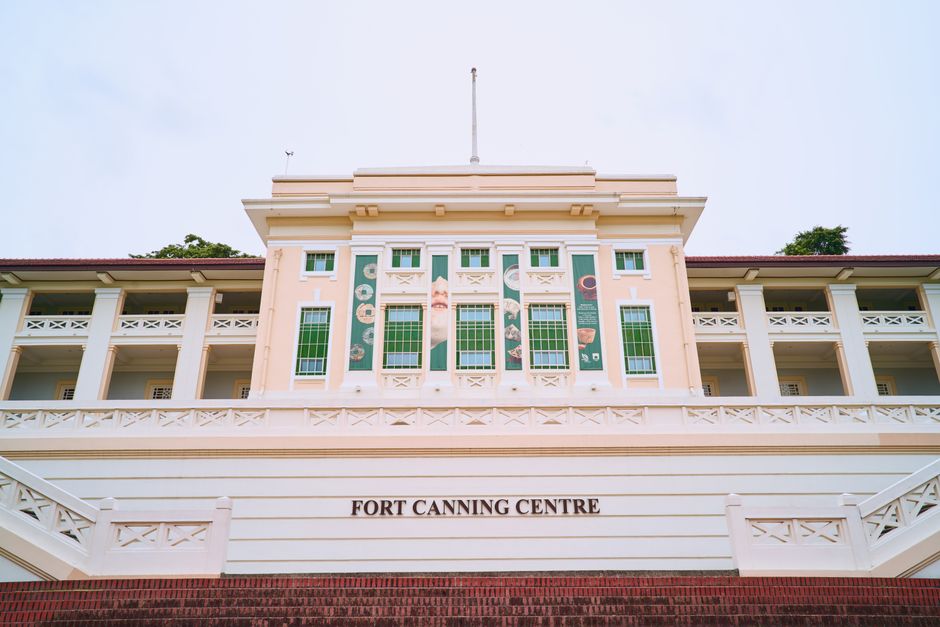
Singaporean parents are increasingly finding that the city-state offers a form of urban child-rearing that is becoming impossible to replicate in London or New York. Despite the sweltering heatwave hitting international headlines today, local families are navigating the school holidays with a level of logistical ease that remains the envy of major global hubs. The focus has shifted toward the integration of 'soft' urban infrastructure, where safe transit and a dense network of public enrichment programs define the daily experience of a child.
The city's unique strength lies in its ability to marry high-tech education with localized, accessible community spaces. At the National Library Board branches in Tampines and Jurong, the post-school hours are filled with children accessing the 'LearnX' communities, a program designed to bridge the gap between classroom theory and practical skill-building. Unlike the fragmented after-school systems found in many Western cities, Singapore’s model relies on the seamless proximity of neighborhood community centers, or 'CCs', which provide everything from coding bootcamps to badminton training within a fifteen-minute walk of most HDB blocks.
This convenience isn't just cultural; it is a structural priority. Data from the Ministry of Education indicates that 90% of students now participate in at least one co-curricular activity, with the 'SkillsFuture' initiative expanding its reach to younger cohorts to ensure that the concept of lifelong learning starts as early as primary school. This infrastructure supports a high-intensity academic environment, but one that is increasingly balanced by the city’s 'City in Nature' vision, which mandates that no resident should live more than a ten-minute walk from a park or green connector.
In a world where urban planning is often reactive, Singapore’s master-planned approach provides a level of predictability that parents increasingly value. Monthly childcare fees for dual-income households remain heavily subsidized under the Anchor Operator Scheme, with costs often capped below $700 for full-day programs at centers managed by groups like NTUC First Campus. This financial stability provides a buffer that allows families to invest their resources into extracurriculars, such as the widely popular swimming programs run by ActiveSG, which keep the next generation active despite the rising temperatures.
Looking ahead, the challenge for the Ministry of Social and Family Development will be to prevent the 'pressure-cooker' stereotype from overshadowing the genuine social mobility provided by these systems. As the government rolls out the new 'Forward Singapore' initiatives over the coming months, the focus is shifting toward holistic health and mental well-being, acknowledging that a top-tier test score is no longer the sole metric of success. For now, the city’s ability to keep children safe, stimulated, and physically active within a high-density environment remains its most distinct global export. Parents should monitor the upcoming updates to the 'Parent Hub' portal on the LifeSG app, which will streamline access to government bursaries and parenting workshops for the remainder of the 2026 school year.
About this article
Published by The Daily Singapore
Spread the word
Daily brief
Free, in your inbox before 7am. Weekdays.
Before you go
The day's Singapore news in a 2-minute read. Free, weekday mornings.


