Community
Moving to Singapore Guide: Essential Tips for 2026
Your complete moving to Singapore guide covers housing, schools, transport, and lifestyle. Discover insider tips for relocating to this vibrant Asian city.
5 min read
Community
Your complete moving to Singapore guide covers housing, schools, transport, and lifestyle. Discover insider tips for relocating to this vibrant Asian city.
5 min read
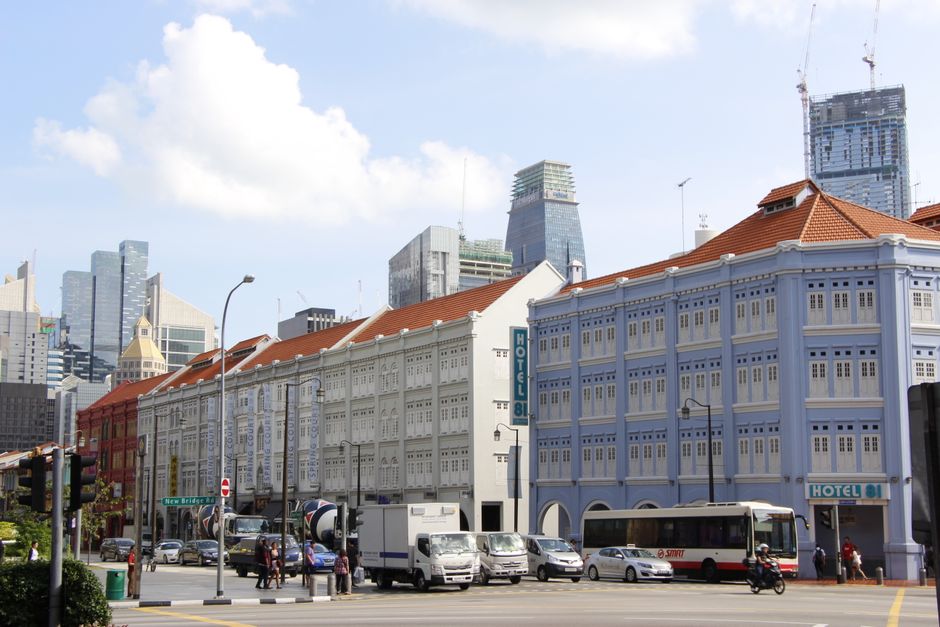
Planning to relocate to Singapore in 2026? This comprehensive moving to Singapore guide covers everything you need to know about finding accommodation, navigating the job market, understanding visa requirements, and settling into one of Asia's most dynamic cities. Whether you're coming from Australia or elsewhere, our practical guide includes specific venues, seasonal information, and family-friendly options to help you transition smoothly.
Singapore's property market operates differently from Australia's. You'll encounter two main housing types: HDB flats (public housing) and private condominiums. Most Singaporeans live in HDB estates, which offer affordable, well-maintained apartments. Popular HDB areas include Tanjong Pagar, Bishan, and Tampines, with rentals ranging from SGD $2,500-4,500 monthly for three-bedroom units.
For expats, private condominiums in districts like Bugis, Marina Bay, and Tiong Bahru provide contemporary living spaces. The Pinnacle@Duxton near Tanjong Pagar MRT station and The Pinnacle at Robertson Quay offer excellent amenities including pools, gyms, and 24-hour security. Expect to pay SGD $4,000-8,000+ monthly for premium locations.
Australia and Singapore maintain strong bilateral relations. Most Australians relocate through Employment Pass (EP) or Tech.Pass visas. The EP requires a minimum monthly salary of SGD $5,000, while Tech.Pass (for tech professionals earning SGD $8,000+) offers fast-track processing.
Singapore's tax rates sit at 0-22% depending on income brackets—significantly lower than Australian rates. Your employer typically handles visa applications through the Ministry of Manpower (MOM). Processing takes 1-4 weeks. Essential documents include your passport, educational credentials, and employment contract.
Expat families have excellent education choices. The Singapore American School (SAS) in Woodley Road and United World College of South East Asia (UWCSEA) in Dover and East Coast offer internationally recognized curricula. For Australian families, Australian International School (AIS) in Tanglin provides an Australian-based curriculum with fees around SGD $32,000-40,000 annually.
Singapore's elite local schools accept some expat children, particularly at secondary level. The streaming system segregates students into Express, Normal (Academic), and Normal (Technical) tracks from Primary 5 onward. Both international and local schools maintain high academic standards.
Singapore's public transport system is world-class and significantly cheaper than Australia. The MRT (Mass Rapid Transit) covers the island efficiently with fares from SGD $0.83-3.00. Purchase an ez-link card (SGD $12) at any 7-Eleven or convenience store for seamless travel on MRT, buses, and ferries.
The North-South, East-West, Circle, and Downtown MRT lines connect major residential, employment, and recreational hubs. Bishan MRT station serves as a major interchange hub. Buses run 24/7 in most areas with SG Buses app providing real-time tracking. Many expats skip car ownership—parking costs SGD $400-800 monthly, and Certificate of Entitlement (COE) for vehicle ownership costs SGD $80,000+.
June 2026 falls during Singapore's southwest monsoon season, bringing occasional heavy showers. The Singapore International Film Festival typically occurs in November, while Christmas festivities transform shopping districts like Orchard Road. The Chinese New Year (February 2026) features spectacular celebrations at temples and shopping malls with lion dances and decorative lanterns.
National Day (August 9) delivers fireworks and celebrations around Marina Bay. The Great Singapore Sale runs June-July across Orchard Road and major malls. Singapore Food Festival happens in July at various hawker centers island-wide.
Families thrive in Singapore with abundant attractions. Gardens by the Bay features the iconic Supertrees, with the Flower Dome and Cloud Forest open daily. Universal Studios Singapore at Sentosa Island offers world-class theme park experiences. The Singapore Zoo in Mandai features open-concept animal habitats and consistently ranks among Asia's best.
East Coast Park stretches 15 kilometers with cycling paths, beaches, and family picnic areas. Macritchie Reservoir offers nature trails, tree-top walks, and freshwater swimming. National Museum Singapore and ArtScience Museum provide cultural enrichment for older children.
Upon arrival, establish utilities within your first week—most landlords coordinate water, electricity, and waste services. Mobile phone plans from Singtel, Starhub, or M1 cost SGD $30-70 monthly with unlimited data. Singapore's English proficiency makes settling easier for Australian expats.
Join expat communities through InterNations Singapore, Australian Women's Association Singapore, and sport clubs. These groups host regular social events and provide invaluable advice for newcomers adjusting to tropical living and different social customs.
For comprehensive, up-to-date information on moving to Singapore, visit The Daily Singapore, your trusted source for insider knowledge about relocating to this thriving city-state.
This article was compiled by AI and screened before publishing. See our editorial standards.
About this article
Published by The Daily Singapore
Spread the word
Daily brief
Free, in your inbox before 7am. Weekdays.
Before you go
The day's Singapore news in a 2-minute read. Free, weekday mornings.