As housing costs spiral across London, Sydney, and Toronto, Singapore's approach to managing urban accommodation remains a notable outlier—one that city administrators and urban planners from overseas are watching with increasing interest.
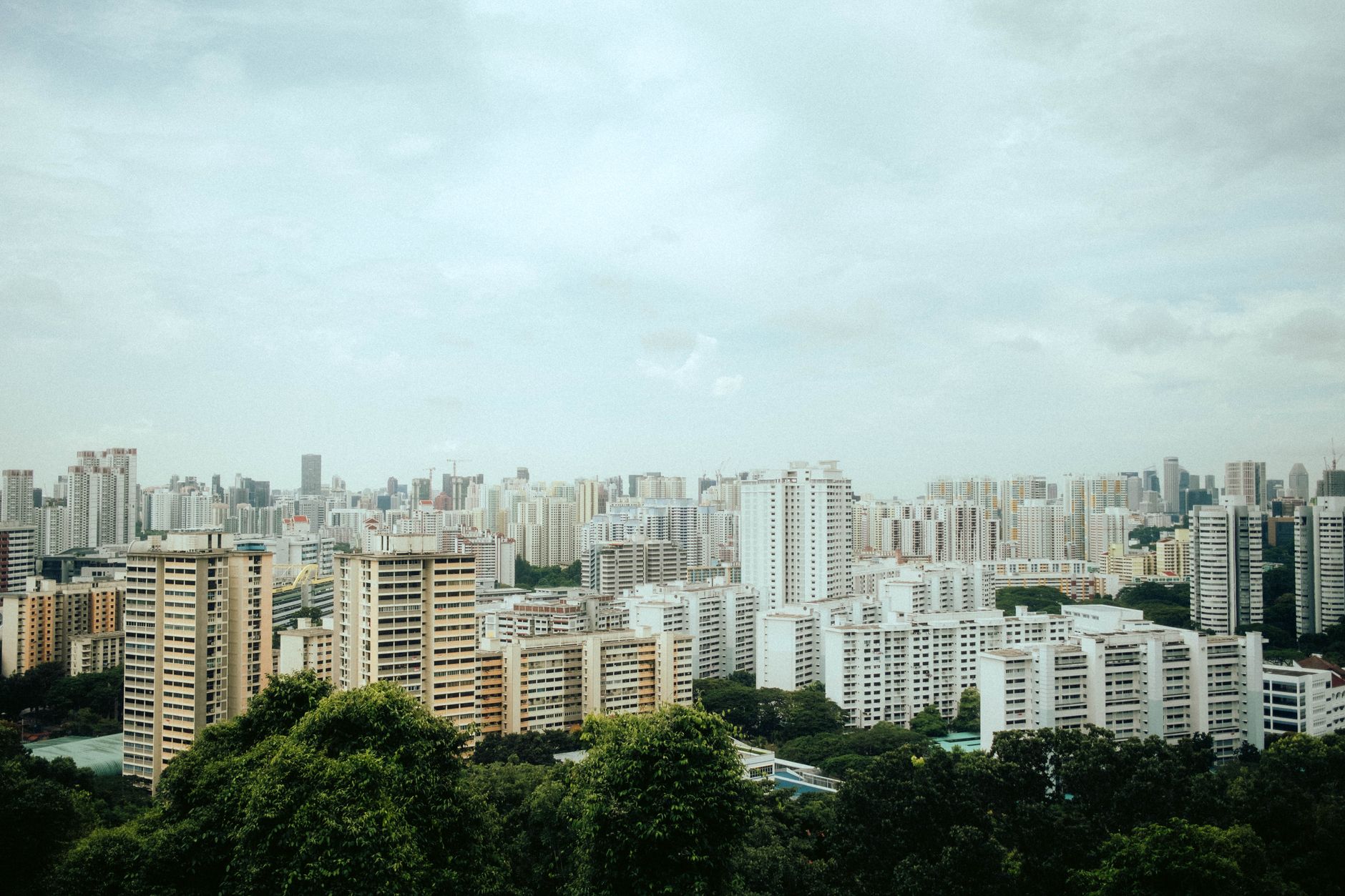
The Housing and Development Board's latest quarterly report reveals that 80% of Singapore's population lives in HDB flats, a figure that underscores the scale of the public housing enterprise. In contrast, public housing represents less than 20% of London's stock, while Sydney's proportion hovers around 5%. Yet Singapore's median flat price has climbed to approximately SGD 550,000 for a five-room unit in mature estates like Ang Mo Kio and Toa Payoh—still significantly below private market equivalents.
The city-state's Housing and Development Board has doubled down on constructing new units across expanding precincts. Projects in Tengah, which began welcoming residents in 2023, showcase the government's commitment to greenbelt living at accessible price points. By comparison, new housing developments in cities like Vancouver often price first-time buyers out entirely, with median home prices exceeding CAD 800,000.
Scholars and policymakers note that Singapore's model—combining subsidised public housing with mandatory savings through the Central Provident Fund—creates a unique cushion unavailable to residents in Anglo-American markets. The CPF Housing Grant scheme has channelled over SGD 50 billion since its inception, effectively bridging gaps between wages and property costs.
However, challenges persist. The average waiting time for a new HDB flat remains 4-5 years, frustrating younger couples. Secondary market resale prices have accelerated, with prices in central locations like Marine Parade climbing 12% year-on-year. Rental affordability, particularly in private housing around Bukit Timah and River Valley, has deteriorated alongside private sector wages stagnation.
International observers highlight Singapore's integrated approach: linking housing policy to transport infrastructure development, particularly along the Circle Line extension through Jurong and Bukit Batok, and restricting speculative property investment through measures like the Additional Buyer's Stamp Duty. Toronto and Melbourne have recently experimented with similar restrictions with mixed results.
Yet experts caution against viewing Singapore as a one-size-fits-all model. The city's scale, population density, and centralised governance structure differ fundamentally from sprawling metropolitan areas overseas. The real lesson, analysts suggest, lies not in replicating Singapore's specific mechanisms but in recognising that housing affordability demands sustained government investment and long-term planning—a commitment increasingly rare in cities where property markets operate primarily as investment vehicles.
As global housing shortages intensify, Singapore's willingness to treat accommodation as a social good rather than a commodity offers a contrasting philosophical framework worth examining.
This article was compiled by AI from the sources linked above and screened before publishing. See our editorial standards.