While rescue operations continue in Venezuela and geopolitical tensions dominate headlines worldwide, Singapore is quietly advancing one of Asia's most ambitious transport modernisation programmes—and doing it with remarkable efficiency compared to its global peers.
The expansion of the Singapore MRT network illustrates this contrast sharply. The Cross Island Line, now 40 per cent complete, is projected to open its first phase in 2031, connecting the heartland towns of Jurong and Changi through the eastern corridor. The S$17 billion project, managed by the Land Transport Authority, demonstrates the kind of long-term infrastructure planning that often eludes cities wrestling with spiralling costs elsewhere.
Compare this to transit projects globally. London's Elizabeth Line, initially budgeted at £14.9 billion in 2007, eventually cost £18.9 billion and opened seven years behind schedule. Similarly, the Second Avenue Subway extension in New York, begun in 1968, remains partially unfinished after decades. Yet Singapore's infrastructure agencies, working within constrained geography and dense urban constraints, have consistently delivered major projects on time and within budget—the North-South Corridor improvements and the Downtown Line extensions being recent examples.
The difference lies partly in governance structure. Singapore's centralised planning through the Ministry of Transport and the Urban Redevelopment Authority ensures fewer bureaucratic bottlenecks than cities wrestling with multiple competing authorities. When the LRT line serving Punggol and Sengkang required expansions, coordination between agencies was seamless, avoiding the jurisdictional turf wars that plague metropolitan areas like Paris or Tokyo.
Cost management presents another telling comparison. Singapore's MRT fares—averaging S$1.50 per trip for commuters—remain among the world's lowest, yet the system maintains operational surpluses. In contrast, cities like San Francisco and Washington D.C. struggle with aging infrastructure and mounting deficits, forcing fare increases that burden residents already experiencing cost-of-living pressures.
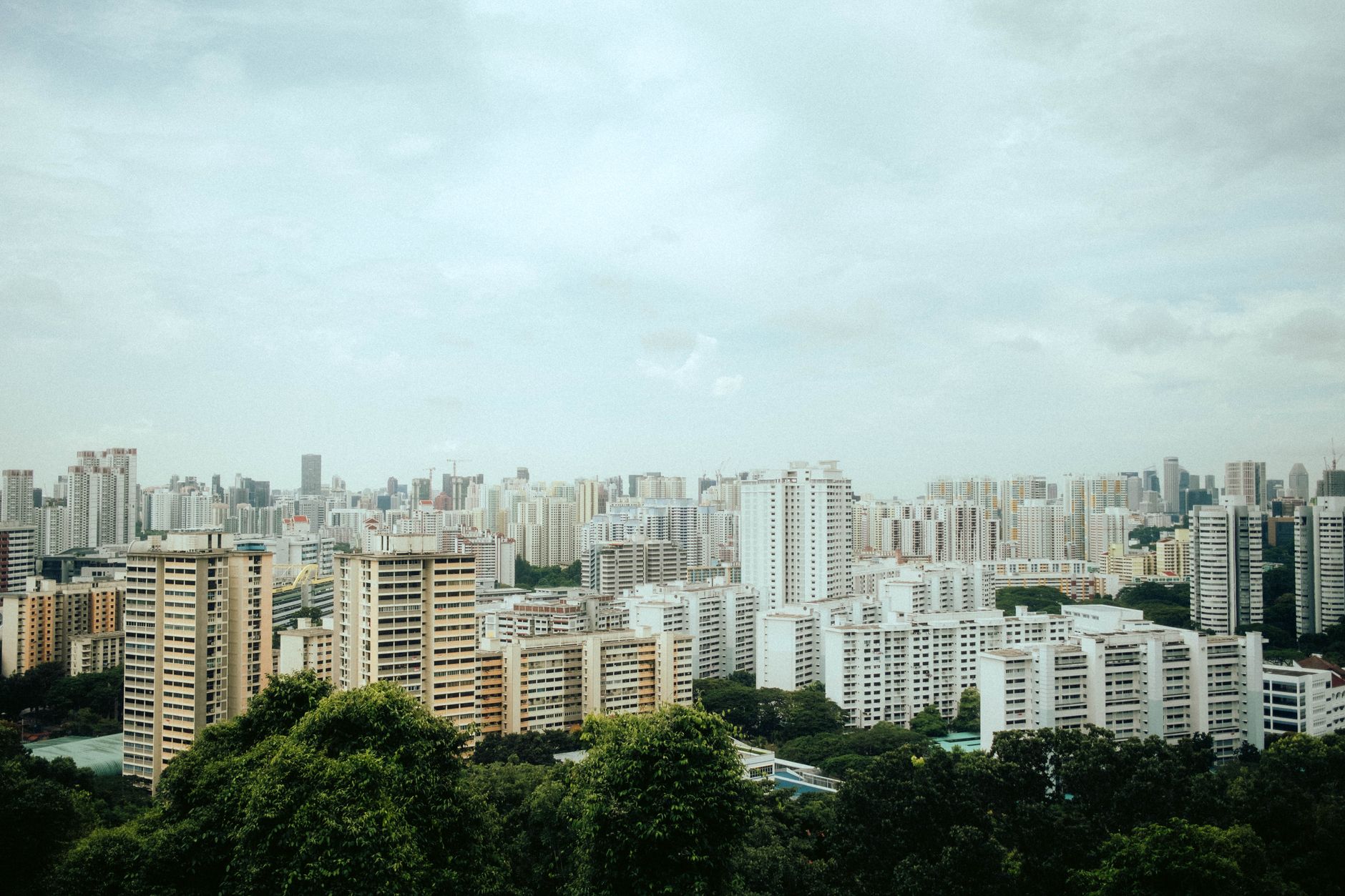
Of course, Singapore's advantages are contextual. A population of 5.9 million concentrated in 730 square kilometres allows for integrated master planning that sprawling megacities find impossible. Yet the lessons resonate: clear project governance, realistic timelines built on empirical data, and maintaining political commitment across electoral cycles remain transferable principles.
As Changi Airport's Terminal 5 construction advances and plans for an expanded Cross Island Line proceed, Singapore continues demonstrating that sophisticated, dense cities need not accept infrastructure delays as inevitable. The question for metropolises worldwide remains whether they possess the institutional discipline to replicate it.
This article was compiled by AI from the sources linked above and screened before publishing. See our editorial standards.