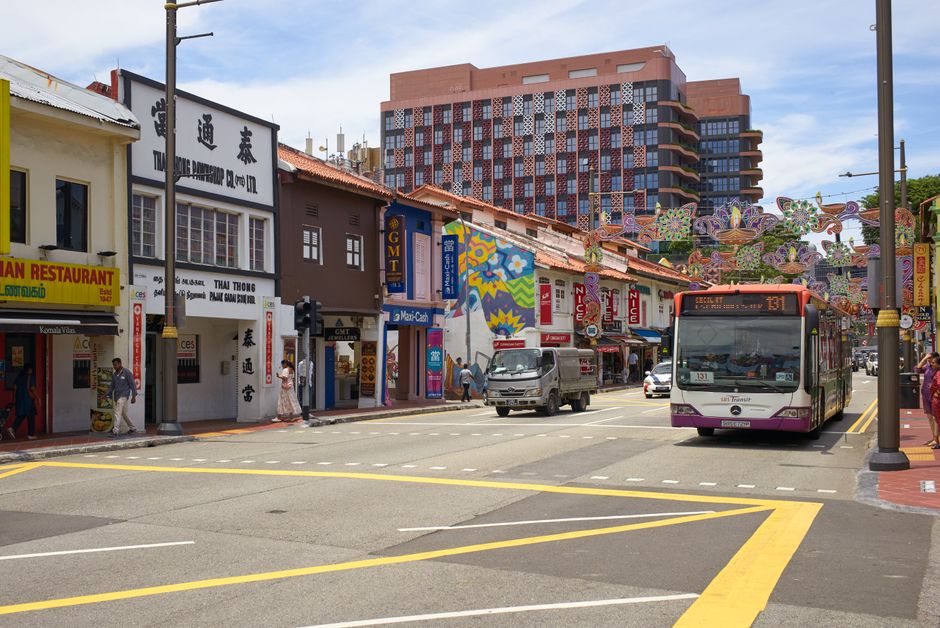
Walk through the cramped corridors of Tekka Market in Little India on any Saturday morning, and you'll witness Singapore's migration story in real time. Bangladeshi workers browse spice stalls alongside Malaysian families. Tamil entrepreneurs manage shops their parents opened in the 1980s. It's a scene that would have looked markedly different fifty years ago—and vastly different from what it was even a decade before that.
Today, Singapore is home to nearly 1.8 million non-residents, representing roughly 30 percent of the population. This wasn't accidental. It was engineered. In the early 1990s, as Singapore's birth rate plummeted and ageing became an existential threat, policymakers deliberately opened the doors. The Economic Development Board loosened Foreign Worker quotas. Skilled migration programmes expanded. By 2010, Singapore's resident population growth was driven almost entirely by immigration rather than natural increase.
The calculus was clear: without migration, Singapore faced demographic collapse. The dependency ratio—the number of retirees per working-age adult—would become unsustainable. Yet this pragmatic decision obscured a more complex reality. Where people settled, how they were perceived, and whether they could truly belong in this high-pressure, efficiency-obsessed society remained contested questions.
The geographic patterns tell their own story. Construction workers from Bangladesh and Myanmar cluster in dormitories in Kranji and Woodlands, their contributions literally building contemporary Singapore. Professionals from India, China and Australia concentrate in East Coast condominiums and the Orchard Road corridor. Domestic workers from the Philippines and Indonesia occupy a peculiar niche—essential yet often invisible, living in the homes of employers across Bukit Timah and the central business district, yet having minimal formal pathways to permanent settlement.
This stratification wasn't coincidental. Singapore's migration architecture embedded class distinctions from the outset. White-collar expatriates receive visas and career pathways; blue-collar workers receive quotas and restrictions. The Employment Pass, the S Pass, the Work Permit—each category defines not just legal status but social position.
By 2020, this system faced its first major stress test. COVID-19 exposed vulnerabilities in migrant worker housing and healthcare access. Dormitory outbreaks in Punggol and Clementi sparked rare public reckoning with the human costs of economic efficiency. The pandemic didn't change policy fundamentally, but it did crack the surface of Singapore's carefully maintained narrative of harmonious multiculturalism.
Today, as Singapore navigates slowing growth and regional competition for talent, questions about migration's future loom larger. Not just who comes, but whether they stay—and on what terms—will define Singapore's multicultural character for decades ahead.
This article was compiled by AI from the sources linked above and screened before publishing. See our editorial standards.