Singapore's environmental ambitions are entering a decisive phase. As the nation approaches 2030—the midpoint of its commitment to halve emissions by 2050—policymakers and industry leaders must navigate a series of high-stakes decisions that will shape the island's sustainability trajectory for years to come.
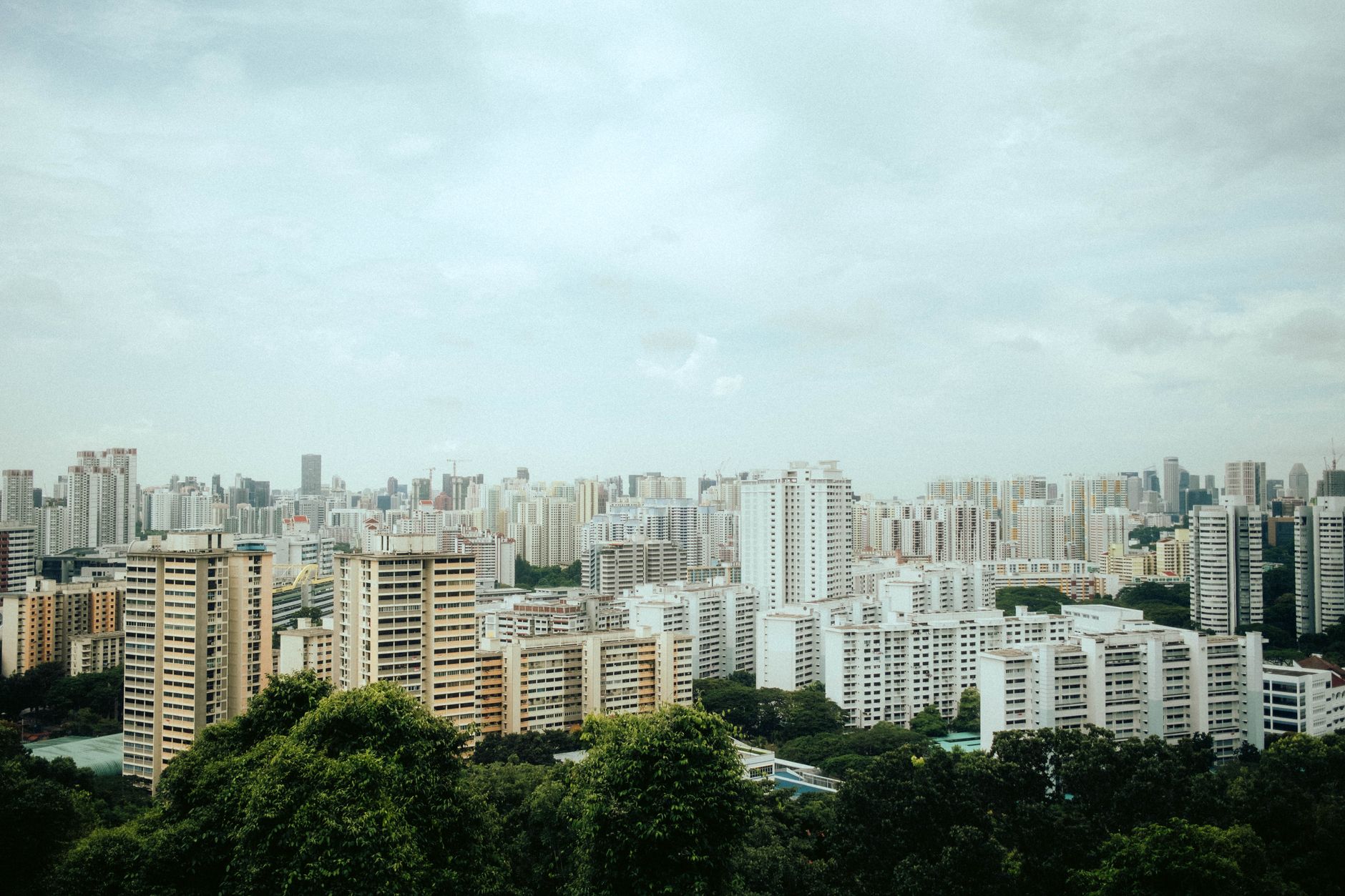
The pressure is mounting. Currently, renewable energy accounts for less than 4 per cent of Singapore's electricity mix, with the vast majority still sourced from natural gas. The National Climate Change Secretariat has pledged to raise this figure substantially by deploying solar panels across housing estates in areas like Punggol and Clementi, alongside offshore wind projects in the surrounding waters. But the pace and scale of investment required—estimated at billions of dollars—remains contested among policymakers.
Waste management presents another critical juncture. Singapore generates approximately 7.7 million tonnes of waste annually, with only about 60 per cent being recycled. The upcoming closure of Semakau Landfill, the nation's sole landfill, by 2035 has forced difficult conversations about waste-to-energy facilities, circular economy models, and whether current recycling infrastructure can absorb the load. Commercial and residential sectors in areas like the Central Business District and HDB heartlands will need to dramatically shift their practices.
The green building sector is gaining momentum, but affordability concerns loom large. While the Building and Construction Authority has mandated green certification standards for new developments, retrofitting older structures—particularly in mature estates like Tiong Bahru and Joo Chiat—remains prohibitively expensive for many property owners. The coming months will reveal whether government incentives can bridge this gap.
Transportation electrification is advancing, yet questions persist about charging infrastructure rollout and the timeline for phasing out petrol vehicles. The planned expansion of the Singapore Rail Network will ease congestion, but whether it keeps pace with population growth remains uncertain.
Perhaps most significantly, Singapore must decide how much of its sustainability burden it can shoulder independently versus through regional cooperation. Its limited land and resources mean the city-state will inevitably depend on neighbouring countries for renewable energy imports—a complex negotiation waiting to happen.
The next 18 months will prove defining. Budget allocations announced in the upcoming parliamentary session, regulatory frameworks finalised by the Energy Market Authority, and private sector commitments will determine whether Singapore's 2050 net-zero pledge remains aspirational or becomes achievable. The window for course correction is narrowing fast.
This article was compiled by AI from the sources linked above and screened before publishing. See our editorial standards.