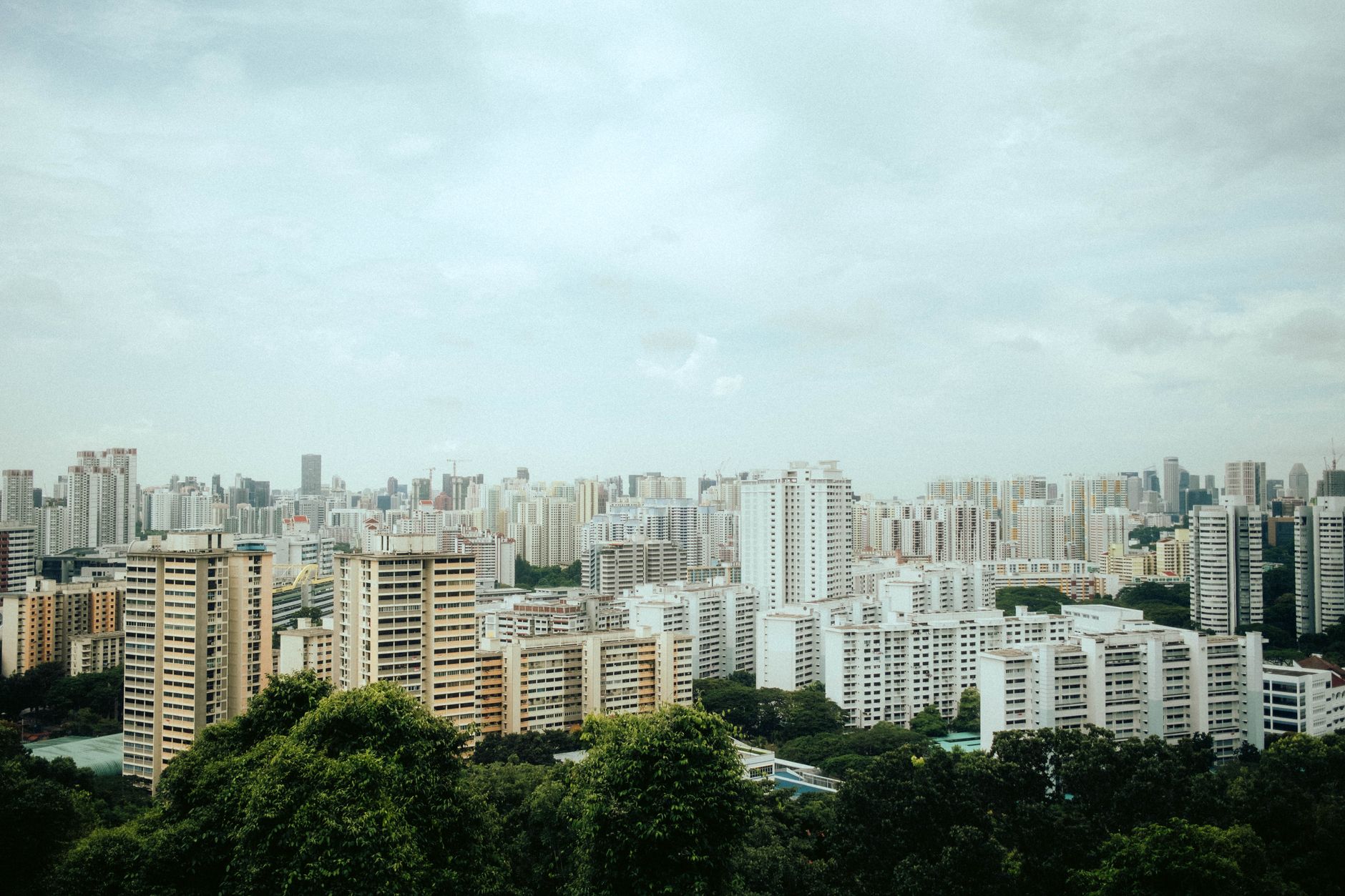
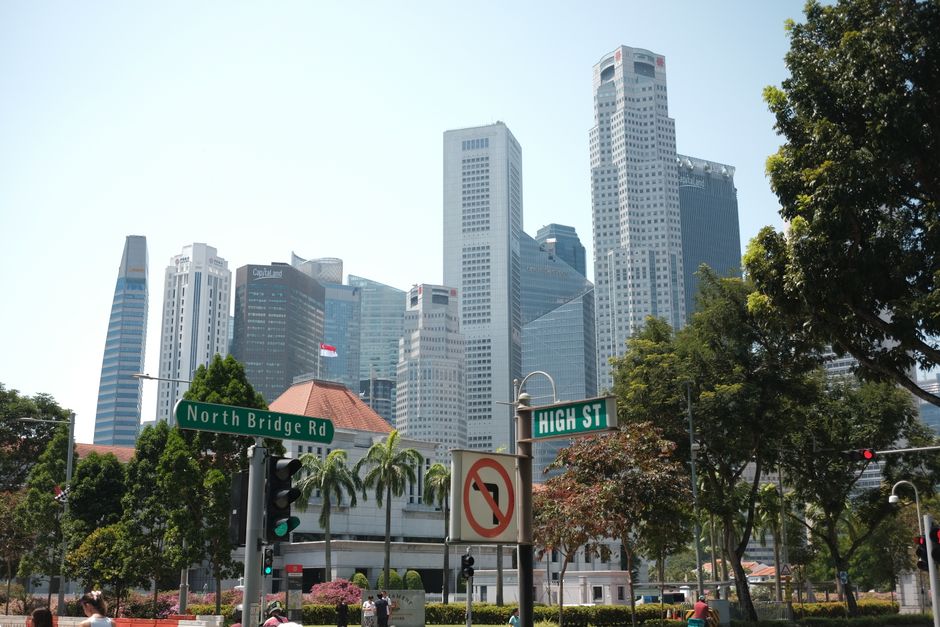
While housing shortages plague major cities worldwide, Singapore's approach to the crisis reveals a starkly different trajectory. With 80 per cent of residents living in public housing—compared to less than 20 per cent in London and Sydney—the city-state's model demonstrates what state-led intervention can achieve, even as it faces mounting pressures that may require a fundamental rethink.
The Housing and Development Board (HDB) has maintained a steady pipeline of new units across established estates like Tampines and Bukit Batok, and newer developments in Punggol and Sengkang. Last year, HDB launched over 22,000 new flats, keeping the homeownership rate stable at around 90 per cent among citizens. By contrast, London's mayor has struggled to meet even modest affordable housing targets, while Sydney grapples with median prices exceeding S$1.2 million for modest properties.
Yet Singapore's apparent success masks emerging fractures. The five-year waiting time for a first-time HDB application—compared to three years a decade ago—reflects supply constraints that even the island's efficient bureaucracy struggles to manage. For resale flats in prime locations like Jurong East and the East Coast, prices have climbed to S$600,000 and beyond, pricing out younger buyers despite government subsidies.
The Ministry of National Development has introduced several circuit-breakers this year: enhanced grants for first-time buyers in mature estates, and stricter eligibility criteria for multiple property ownership. These moves echo reactive measures seen in Vancouver and Toronto, where policymakers scrambled after foreign investment and speculation warped local markets.
What distinguishes Singapore is its willingness to pursue unpopular solutions. The ongoing Selective En bloc Redevelopment Scheme (SERS) programme, which consolidates aging public housing and displaces residents to newly constructed blocks, would face intense legal and political resistance in Western democracies. Its execution—though generating complaints across Bukit Merah and Tanjong Pagar constituencies—has accelerated urban renewal in ways Toronto's condo-dominated landscape cannot replicate.
Observers in other cities note Singapore's advantage: a smaller, culturally cohesive population, limited land constraints that nonetheless inspire pragmatism, and a government unburdened by electoral pressures demanding short-term fixes. Yet even here, satisfaction is eroding. A recent Institute of Policy Studies survey found housing affordability concerns ranked among top worries for citizens, rivalling employment and healthcare.
As global cities search for solutions—from Vienna's social housing models to Seoul's rental reforms—Singapore's public sector dominance offers no universal template. But its track record of rapid execution and willingness to remake neighbourhoods suggests that the crisis, while acute globally, remains most manageable where political obstacles are minimal and planning horizons stretch beyond election cycles.
This article was compiled by AI from the sources linked above and screened before publishing. See our editorial standards.