News
How Singapore's Housing Crunch Became the Defining Urban Policy Challenge of a Generation
Decades of rapid development, rising land costs, and demographic shifts have created the perfect storm—and policymakers are racing to adapt.
2 min read
News
Decades of rapid development, rising land costs, and demographic shifts have created the perfect storm—and policymakers are racing to adapt.
2 min read
Singapore's current housing affordability crisis did not emerge overnight. It is the culmination of structural decisions made across several decades, each reasonable at the time, that have collectively reshaped the city-state's urban landscape in ways few anticipated.
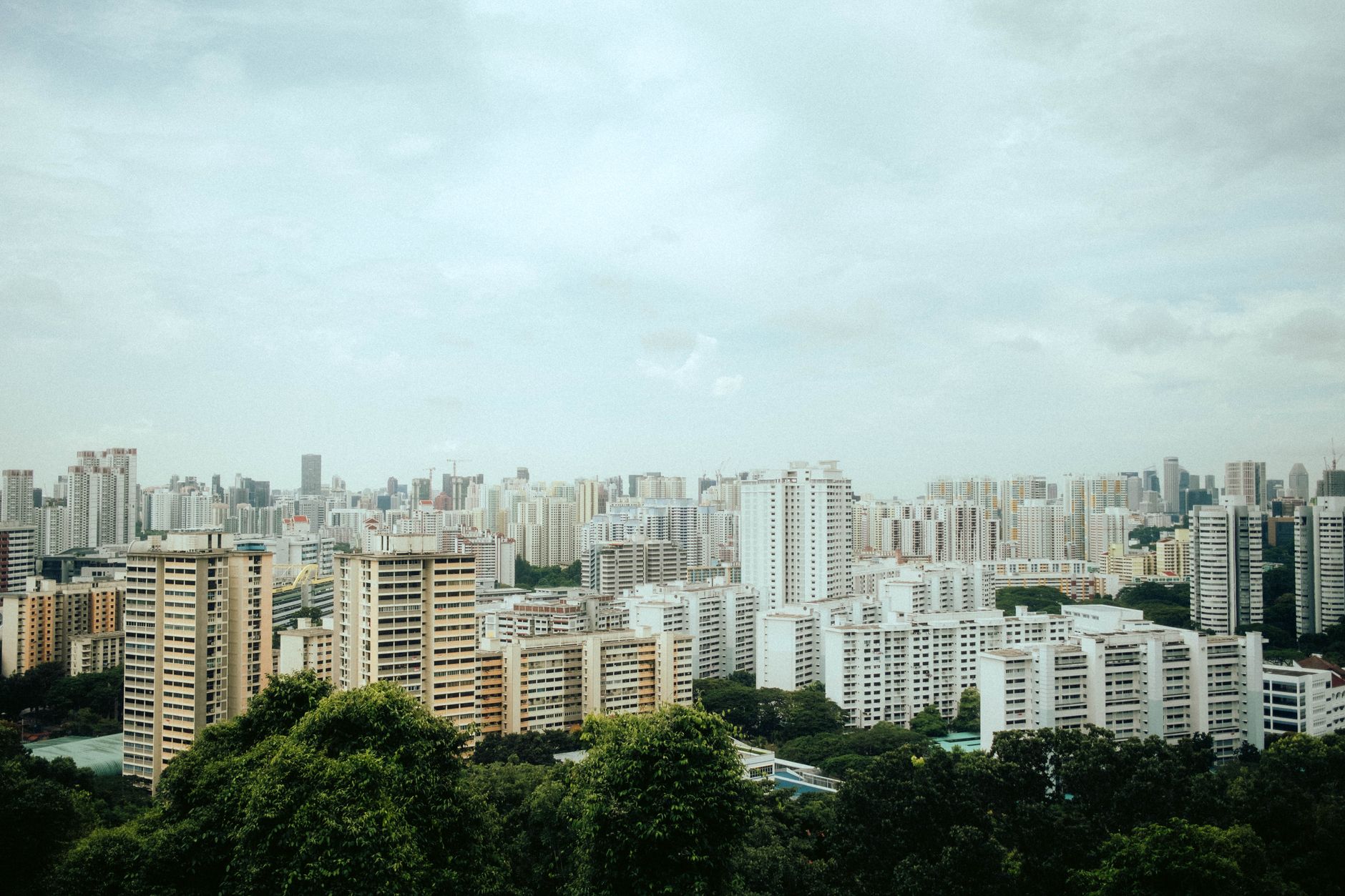
The story begins in earnest during the 1980s and 1990s, when Singapore's economic boom created unprecedented demand for residential space. The Housing and Development Board (HDB) expanded rapidly, building new towns across the island—Tampines, Punggol, Bukit Timah—to accommodate an influx of workers and families. This approach worked. Home ownership rates climbed to among the world's highest, with over 80 per cent of Singaporeans living in HDB flats by the early 2000s.
But the model's assumptions began fraying as the 21st century progressed. Land scarcity, always Singapore's fundamental constraint, became acute. The Urban Redevelopment Authority's long-term planning projections, accurate for decades, faced new pressures: rising population expectations, aging housing stock in established estates like Geylang and Joo Chiat, and the explosive appreciation of private property in central locations.
Between 2010 and 2020, median HDB flat prices in prime areas nearly doubled. A four-room flat in Bukit Merah, once considered middle-income housing, now commands prices that stretch first-time buyers. Simultaneously, the proportion of Singaporeans earning sufficient income to purchase at market rates declined relative to overall demand.
The government's responses—increasing HDB supply, implementing the Build-to-Order scheme, tightening foreign buyer restrictions—have been substantial. Yet they have largely played catch-up. Each policy intervention addressed symptoms rather than the underlying constraint: Singapore has only 728 square kilometres of land, with competing claims from industrial zones, nature reserves, and transport infrastructure.
Recent years have seen bolder moves: the Punggol Vision 2030 framework promises to integrate housing with jobs and community spaces, while the review of conservation guidelines in districts like Tiong Bahru signals willingness to reconsider heritage preservation trade-offs. The Strategic Development Plan 2019 acknowledged explicitly that Singapore cannot build its way out of land scarcity alone.
What we are witnessing now is a fundamental reckoning. The model that enabled Singapore's rise—liberal development, high ownership rates, predictable appreciation—is colliding with demographic maturity and environmental limits. Whether Singapore's policymakers can navigate this transition without compromising both affordability and liveability remains the defining urban question of the 2020s.
This article was compiled by AI from the sources linked above and screened before publishing. See our editorial standards.
News
News
News
News
About this article
Published by The Daily Singapore
Spread the word
Daily brief
Free, in your inbox before 7am. Weekdays.
The Daily Network — local news across Australia