News
By the Numbers: What Singapore's Sustainability Drive Really Looks Like
Behind the green initiatives reshaping our city are hard metrics revealing both progress and the gap we still need to close.
3 min read
News
Behind the green initiatives reshaping our city are hard metrics revealing both progress and the gap we still need to close.
3 min read
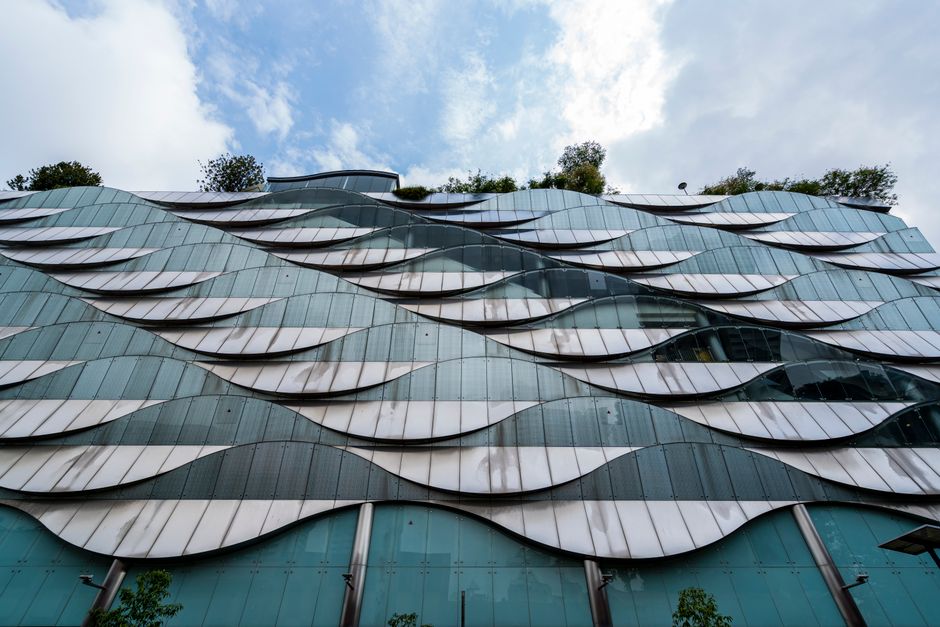
Singapore's environmental ambitions sound impressive in press releases. But strip away the rhetoric, and the statistics tell a more nuanced story about how far we've come—and how far we still have to go.
Consider waste. In 2025, Singapore generated 7.7 million tonnes of waste, with only 59 per cent diverted from landfills through recycling and other means. That figure has crept up from 57 per cent in 2020, marking measurable but incremental progress. The Semakau landfill, which receives roughly 5.5 million tonnes annually, remains on track to reach capacity around 2035—a deadline that has prompted intensified focus on the circular economy across districts like Jurong and Bedok, where waste sorting facilities have expanded by 23 per cent since 2023.
Energy consumption tells a starker tale. Singapore's power sector accounted for approximately 40 per cent of total emissions in 2024, at 42 megatonnes of CO2-equivalent. Solar deployment has accelerated, with rooftop installations reaching 415 megawatts by mid-2026—a 47 per cent increase from 2022. Yet solar still represents just 4 per cent of our electricity mix, with natural gas dominating at 68 per cent. The gap between ambition and reality remains substantial.
Water sustainability, however, presents a brighter picture. The PUB's four national taps—local catchments, imported water, recycled water, and desalinated water—now operate at a carefully calibrated balance. Recycled water production has hit 406 million gallons daily, meeting 55 per cent of non-domestic demand. NEWater plants across Singapore treat used water at costs of approximately $0.78 per cubic metre, undercutting imported water pricing and demonstrating economic viability.
Green buildings have become a visible marker of progress. As of June 2026, over 1,100 buildings across the island—from Marina Bay's corporate towers to HDB blocks in Punggol and Pasir Ris—hold Green Mark certification. This represents 22 per cent of our building stock, translating to roughly 320 million square metres of certified green space. Energy savings in these buildings average 20 to 30 per cent compared to conventional structures.
Transport electrification has accelerated unevenly. Electric vehicles comprised 8.4 per cent of new car registrations in 2025, up from just 2.2 per cent in 2020—yet still lag behind developed peers. Public transport, however, moves 7.2 million journeys daily, with 380 electric buses now operating across the island, representing 24 per cent of the bus fleet.
These numbers reveal Singapore's sustainability narrative in sharp relief: we're moving forward measurably, yet structural challenges persist. Meeting our 2030 and 2050 climate targets will demand acceleration beyond current trajectories—a reality the data makes undeniably clear.
This article was compiled by AI from the sources linked above and screened before publishing. See our editorial standards.
News
News
News
News
About this article
Published by The Daily Singapore
Spread the word
Daily brief
Free, in your inbox before 7am. Weekdays.
The Daily Network — local news across Australia