News
Why Singapore's Migrant Worker Housing Crisis Matters More Than You Think
As overcrowding in dormitories worsens, residents across the island face mounting public health and social cohesion challenges.
2 min read
News
As overcrowding in dormitories worsens, residents across the island face mounting public health and social cohesion challenges.
2 min read
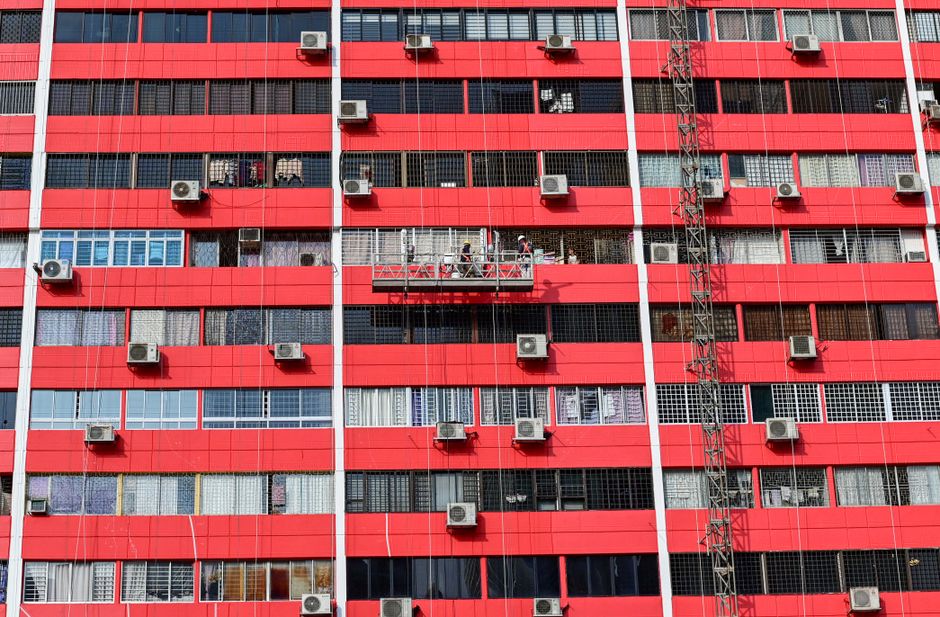
The recent unrest at several worker dormitories in Geylang and Kranji has reignited a critical conversation about Singapore's migrant workforce and the neighbourhoods where they live. With nearly 1.9 million migrant workers comprising roughly a third of Singapore's population, the conditions they face—and the knock-on effects for surrounding communities—demand urgent attention from policymakers and residents alike.
Last month, overcrowding at a dormitory housing over 2,000 workers near Lorong 26 Geylang sparked safety complaints. The incident underscored a persistent problem: inadequate living conditions translate directly into public health risks for the broader population. Disease outbreaks, poor sanitation management, and mental health crises within dormitories don't remain contained within their walls. They ripple outward, affecting nearby hawker centres, clinics, and community spaces where migrant workers and local residents intersect daily.
The numbers tell a sobering story. Current dormitory capacity sits at roughly 700,000 beds, yet demand far exceeds supply. Average monthly rental for a worker's bunk ranges from SGD 250 to 450—a significant portion of their earnings—for spaces that often house eight to twelve people. This has forced workers into informal, unregulated housing arrangements in areas like Aljunied and Serangoon, creating blind spots for health authorities and community services.
For residents in these neighbourhoods, the challenge is tangible. The Geylang District, home to multiple worker dormitories, has seen increased pressure on municipal services. Volunteer groups like the Transient Workers Count Too (TWC2) report rising demand for support services, from medical aid to conflict resolution, straining resources designed for smaller populations.
Yet there's a human dimension often overlooked in policy discussions. These workers remit over SGD 15 billion annually to their home countries, supporting families across Bangladesh, India, Myanmar, and beyond. Their economic contributions anchored Singapore's post-pandemic recovery in construction, logistics, and healthcare sectors. The recent upheaval in Venezuela and ongoing crises in Afghanistan underscore why migration remains a survival strategy for millions globally—and why Singapore's approach sets a regional precedent.
The path forward requires investment in dormitory standards, better integration support, and genuine community dialogue. Initiatives like the Living Wage initiative and improved healthcare access are steps forward, but insufficient. Residents in affected neighbourhoods deserve safer, more cohesive communities. Migrant workers deserve dignity and fair conditions. These aren't separate interests—they're interconnected. Singapore's multicultural strength depends on recognising that everyone's wellbeing matters.
This article was compiled by AI from the sources linked above and screened before publishing. See our editorial standards.
News
News
News
News
About this article
Published by The Daily Singapore
Spread the word
Daily brief
Free, in your inbox before 7am. Weekdays.
The Daily Network — local news across Australia