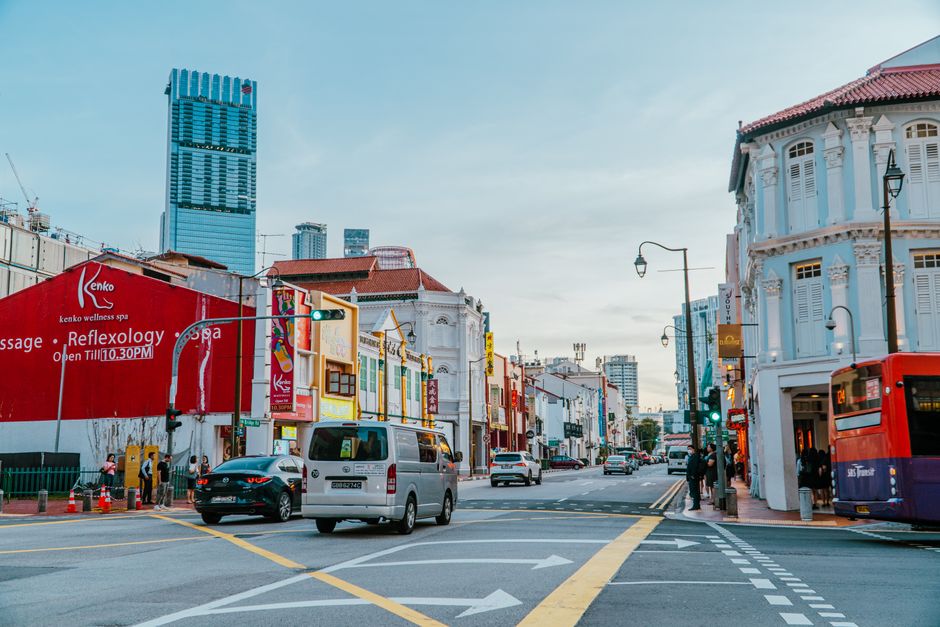
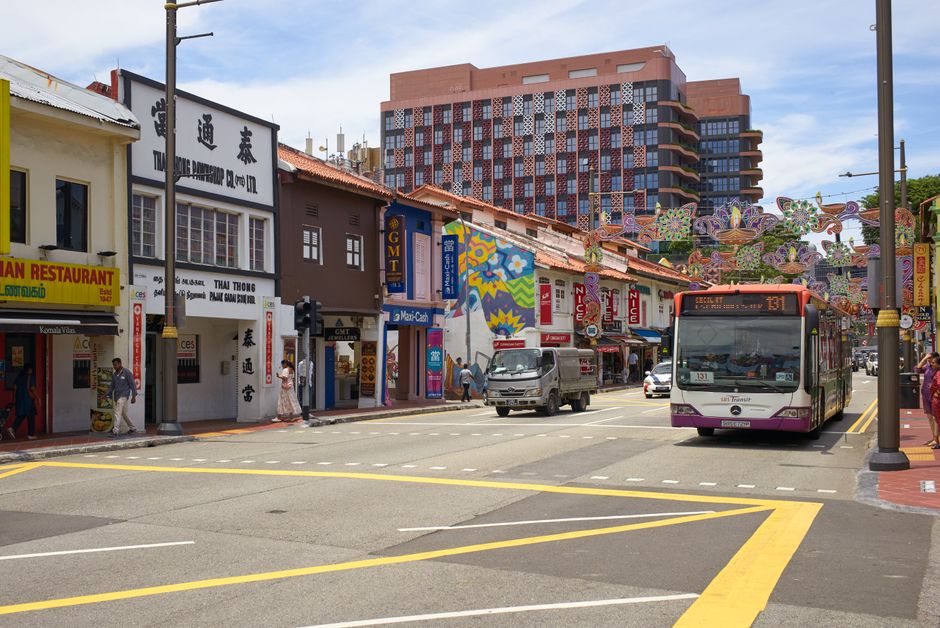
On a sweltering afternoon in Geylang, the narrow lanes behind Lorong 23 tell a story Singapore's policymakers have struggled to address: where do hundreds of thousands of migrant workers actually live when dormitory beds run out?
New data from the Ministry of Manpower reveals that unauthorised shared housing in HDB flats across Geylang, Jalan Besar, and Kranji has surged 40 per cent since 2024, with landlords subdividing single units to house up to 15 workers in spaces meant for families. The average rent per bed has climbed to $400–$500 monthly—affordable for workers earning $1,200–$1,800, but creating friction with resident families who share corridors, lifts, and void decks with dozens of transient tenants.
"The noise, the safety concerns at night—it's changed the character of our block," said one Geylang resident, who requested anonymity. Local hawkers report increased tensions over table-sharing during peak lunch hours, while community centres in the area say demand for basic services—childcare, medical screenings—has outpaced their capacity.
The issue extends beyond housing. Residents in Jalan Besar have petitioned the town council over inadequate rubbish disposal in converted units, while schools near Kranji report rising pressure on facilities from children of workers living in informal arrangements. The Geylang Family Service Centre reported a 35 per cent increase in disputes between residents and migrant tenants in the past year—many over water bills, utility sharing, and lease terms.
Yet community leaders note the situation cuts both ways. Migrant workers remain essential to Singapore's construction, cleaning, and care sectors. The real issue, many argue, is a structural mismatch: Singapore has roughly 680,000 migrant workers but dormitory capacity for only around 350,000. When official channels fail, informal housing emerges—and with it, exploitation, inadequate conditions, and neighbourhood strain.
The People's Association has launched mediation programmes in Geylang and Jalan Besar, while the HDB is piloting inspections to identify illegal subdivisions. But residents and migrant worker advocates agree: sustainable solutions require investment in purpose-built accommodation, not just enforcement.
For Singapore's multicultural fabric to hold, integration cannot be treated as a problem to contain but as a reality requiring resources. The question facing residents in these heartland neighbourhoods is simple: will Singapore build capacity for its migrant workforce, or continue managing crisis by crisis?
This article was compiled by AI from the sources linked above and screened before publishing. See our editorial standards.