The debate over Singapore's education system has intensified in recent weeks, with parents and students across the island voicing concerns about rising costs and stretched resources in both mainstream and tertiary institutions.
At community centres across Housing Board heartlands—from Tampines East to Marine Parade—parents attending town halls have raised alarm over the mounting expenses associated with school fees, enrichment classes, and miscellaneous charges. The Ministry of Education announced a modest fee adjustment this year, but residents say the cumulative burden remains significant when factored with tuition, coaching classes, and examination fees.
"My child is in secondary school in Bedok, and between school fees, textbooks, and the expectation to attend additional tuition, we're spending nearly $800 monthly," said one parent attending a feedback session at Tampines Community Club last month. "For many families, this is unsustainable."
The affordability squeeze extends to tertiary education. Students preparing for university entrance have expressed concern about the competitiveness of Singapore's higher education landscape, where securing places at the National University of Singapore, Nanyang Technological University, or Singapore Management University increasingly demands not just strong grades but supplementary coaching—a market worth an estimated $1.1 billion annually.
University graduates in areas like Ang Mo Kio and Clementi also report anxiety about student loan repayment schemes and the economic value of degrees in an increasingly volatile job market. Recent data from the Institute of Policy Studies highlighted that 45 per cent of polytechnic and university graduates expressed concerns about employment prospects.
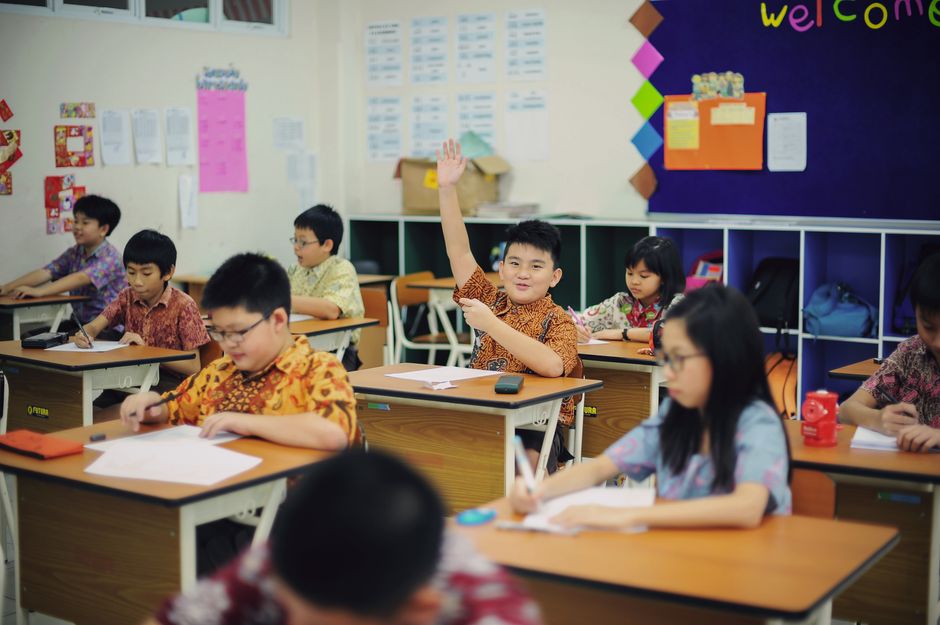
Class sizes have emerged as a parallel concern. Parents at schools in Yishun and Jurong East have questioned whether educators can provide adequate individual attention with classes averaging 35 to 40 students. "Teachers are doing their best, but the workload is immense," one parent noted. "You wonder if your child is truly getting the support they need."
Educators themselves have become vocal advocates for change. Teachers' union representatives have called for better support systems, including additional classroom assistants and mental health resources, particularly following the Ministry's recent focus on student well-being.
The Straits Times Education Forum in April drew over 800 attendees seeking clarity on curriculum changes and career pathways. Organisers reported that affordability and equal access dominated discussions—concerns that resonate across Singapore's diverse neighbourhoods.
Policy analysts suggest that addressing these grievances requires a multifaceted approach: revisiting fee structures, expanding bursary schemes, and investing in public school infrastructure. For now, families continue navigating an education system they say demands both considerable financial resources and unwavering optimism.
This article was compiled by AI from the sources linked above and screened before publishing. See our editorial standards.