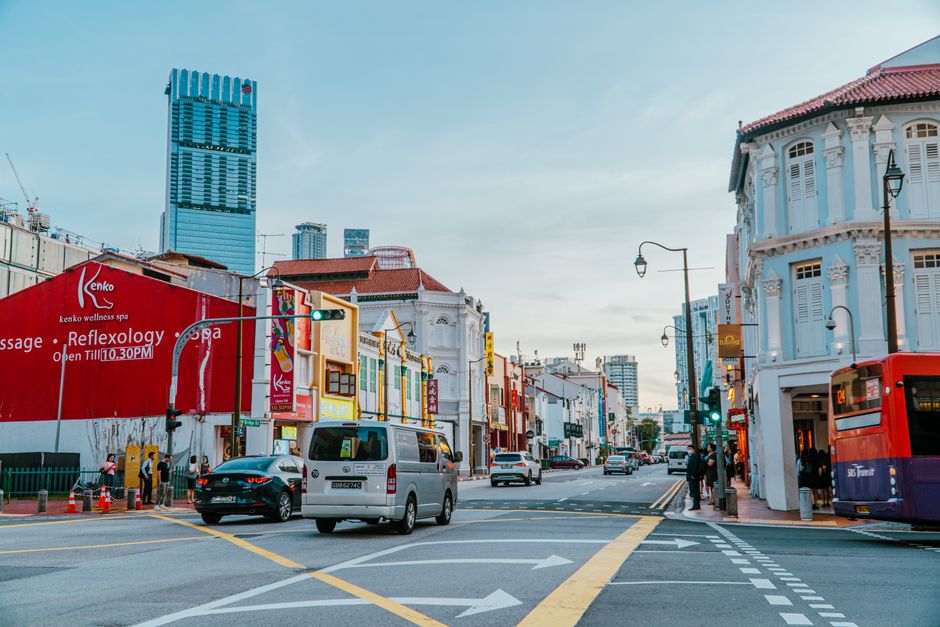
A single bedroom in Toa Payoh photographed with natural light flooding through wide windows. The same photograph — same angle, same shadows, same potted plant on the sill — appearing simultaneously on three separate listings across two different platforms, each advertising a different unit at a different price. This is the duplicate image problem, and it is quietly undermining how tens of thousands of Singaporeans search for a home.
Property portals including PropertyGuru and 99.co have each introduced image-verification tools over recent years, but anecdotal complaints from renters continue to surface in forums like HardwareZone and Reddit's r/singapore. The core issue is straightforward: landlords, agents, or subletting middlemen reuse old or unrelated photographs to make a unit look larger, brighter, or better-maintained than it actually is. For a renter who has already paid a viewing fee or taken half a day's leave to inspect a flat in Jurong East, arriving to find the photos bore no resemblance to the actual unit is not a minor inconvenience. It is a material waste of time and, increasingly, a financial risk.
Why It Hits Harder Here Than Almost Anywhere Else
Singapore's rental market operates under unusual pressure. The Council for Estate Agencies (CEA), which licenses property agents under the Estate Agents Act, has powers to investigate misleading advertising, but enforcement against image misrepresentation specifically has been limited in scope. A renter who signs a Letter of Intent on the basis of photos that don't reflect the actual unit has limited recourse once money has changed hands.
The stakes are high. Median asking rents for a four-room HDB flat in mature estates like Bishan or Queenstown were running above $3,000 per month as of mid-2025, according to HDB's published resale and rental data — a level that makes every viewing trip a significant investment of effort. Private condominiums in districts like River Valley or Buona Vista routinely list at $4,500 to $6,000 per month for two-bedroom units. When a prospective tenant travels across the island on the strength of photographs, those photos carry real weight.
The problem is compounded by platform aggregation. A listing first posted on one portal gets scraped or reposted on another, often by a different agent representing the same landlord, with image sets that may not have been updated in months or even years. Newly renovated units get listed with pre-renovation photos from a previous tenancy cycle. Older, shabbier units get listed with photos from a neighbour's flat or a show unit entirely. The CEA's guidelines on accurate representation exist, but the volume of listings — PropertyGuru alone carries hundreds of thousands of active listings at any point — makes manual review impractical.
What Residents Can Do Right Now
Technology offers partial solutions. Running listing photos through Google Images or TinEye reverse-image search takes under two minutes and can flag whether a photograph has appeared elsewhere online. The Housing & Development Board's own HDB Flat Portal, launched to give buyers and renters a direct channel for resale and rental listings, includes unit-specific details tied to actual addresses — a structural guardrail that private platforms don't always enforce.
More systematically, the Consumers Association of Singapore (CASE) has previously encouraged renters to document discrepancies between advertised and actual unit conditions before signing any tenancy agreement. Photographs taken at the point of viewing, timestamped and kept with a copy of the listing, provide evidence if a dispute reaches the Small Claims Tribunal, which handles tenancy disputes up to $30,000.
Longer term, the fix requires platform-level action. AI-powered duplicate detection — the kind already used by major e-commerce platforms — is technically deployable at scale. Some portals have piloted listing verification programs requiring agents to submit photos alongside unit addresses that can be cross-checked. The CEA's upcoming review of its Practice Guidelines, flagged for 2026, may address image accuracy standards more directly. Until those standards are codified and enforced, residents searching for a home in Singapore's high-pressure rental market should treat every photograph as provisional — and verify before they travel.