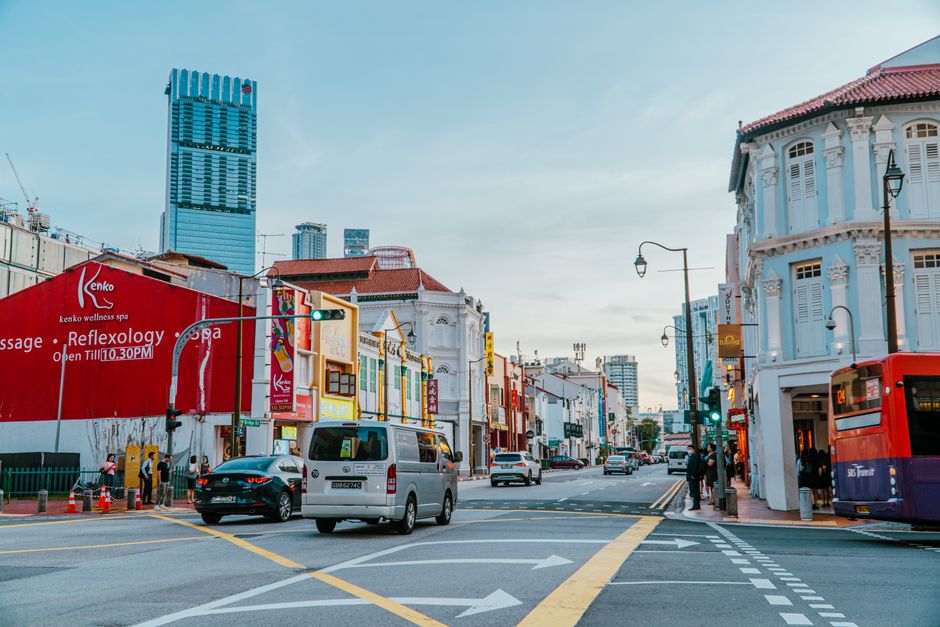
The same living room. The same cream-coloured tiles. The same view of Bukit Timah Road from the fourth floor — listed at three different prices, under three different addresses, by three different agents. Duplicate property images have become a quiet but costly problem on Singapore's major real estate portals, and consumer advocates say the practice is no longer rare enough to ignore.
The timing matters. With HDB resale flat prices holding near record levels through the first half of 2026, and the government's Cooling Measures framework still in effect, buyers are making six- and seven-figure decisions faster than ever, often scanning listings on their phones during lunch breaks in Tanjong Pagar or on the MRT between Bishan and Ang Mo Kio. A misleading photograph is not a minor inconvenience in that environment — it is a mechanism for misdirection at the worst possible moment.
What Duplicate Images Actually Do to Buyers
The mechanics are straightforward. An agent photographs a well-renovated flat in Queenstown, then reuses those images to market a less appealing unit in Woodlands or Sembawang, betting that the visual appeal will drive enquiries before a viewer realises the discrepancy. In private property, the same tactic appears on platforms listing condominiums in districts 9 and 10, where a show-unit image or a previous tenant's interior gets recycled without disclosure.
The Consumer Association of Singapore, known as CASE, logged property-related complaints as one of its consistently active categories in recent years, with misleading representations forming a recurring theme. The Council for Estate Agencies — the statutory board that licenses property agents in Singapore — has specific guidelines under its Code of Ethics and Professional Client Care requiring agents to use accurate and truthful materials in all marketing. Using photographs that do not correspond to the actual unit being sold would fall within that framework's prohibitions, though enforcement depends heavily on complaints being filed.
PropertyGuru and 99.co, the two dominant listing platforms in Singapore, both operate user-reporting functions that allow prospective buyers to flag suspect listings. Neither platform has published a specific figure on how many duplicate-image cases were actioned in 2025, but the existence of dedicated moderation pipelines signals that the problem reaches a volume worth resourcing. SLA — the Singapore Land Authority — also maintains the HDB Map Services portal, where buyers can cross-reference floor plans and unit details against what agents claim in their listings.
Practical Steps for Residents Navigating This
For buyers currently active in the resale market, a few habits significantly reduce the risk. Reverse image searching a listing photograph takes under thirty seconds and will surface any other site where that image appears. Requesting a physical viewing before placing any Option to Purchase is legally prudent and remains standard advice from the CEA. Checking the actual unit number against the HDB resale portal — which records transaction prices by block and level — lets a buyer verify whether the price being asked matches the historical range for that specific stack in, say, a Toa Payoh or Tampines block.
Agents who are caught using deceptive images face disciplinary action under the Estate Agents Act, including fines and suspension of registration. The CEA's public register allows anyone to check an agent's licence status and any past disciplinary findings before signing a representation agreement.
The deeper community impact is subtler than individual deception. When images circulate divorced from the units they are supposed to represent, aggregate price signals get distorted. A beautifully staged Bishan four-room flat photographed in 2023 and still appearing in 2026 listings creates a visual baseline that does not exist. First-time buyers — particularly younger Singaporeans stretched by rising COE premiums and food costs — already enter the resale market at a disadvantage. Duplicate imagery widens that gap by making due diligence harder and emotional decision-making easier.
The CEA reviews its guidelines periodically, and property industry observers expect digital verification standards — potentially involving geotagged photography or timestamp metadata requirements — to feature in future iterations of the professional framework. Until those standards are formalised, the practical burden sits with buyers. Check the image. Check the address. Then check again.