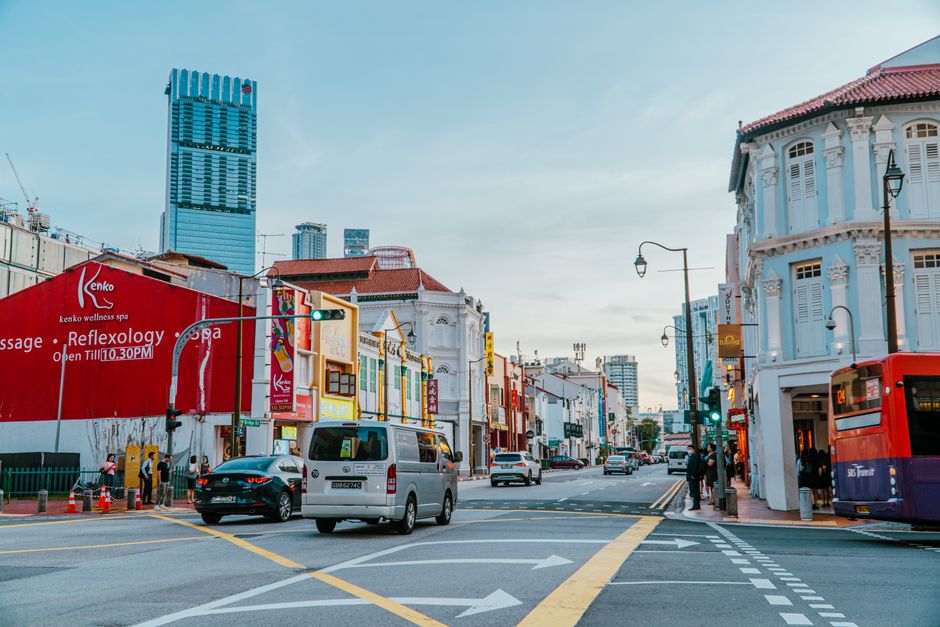
Singapore's property market has a photo problem. Duplicate images — the same bedroom shot recycled across dozens of listings, sometimes for flats that no longer exist or have already been sold — have been quietly polluting platforms like PropertyGuru and 99.co for years. Now the Housing and Development Board, which oversees the bulk of the city-state's residential stock, is working with platform operators to flag and remove misleading visuals before buyers waste time on dead leads. The push accelerated in the first half of 2026, when consumer complaints about deceptive listing photography to the Council for Estate Agencies rose noticeably, according to the CEA's publicly maintained feedback portal.
The timing matters. Singapore is in the middle of a sustained HDB resale price run — the resale price index climbed for several consecutive quarters through late 2025 — and first-time buyers in mature estates like Toa Payoh and Tampines are already stretched. When a listing photo shows a sun-drenched five-room flat that turns out to be a decade-old stock image, it wastes viewings, erodes trust, and in a tight market, costs people real money. The CEA updated its estate agency practice guidelines in 2024 to require that listing photographs accurately represent the current state of a property, but enforcement has depended heavily on platforms self-policing.
What the Platforms Are Actually Doing
PropertyGuru, headquartered on Cecil Street in the central business district, has been running a proprietary image-similarity engine since late 2024 that cross-references new listing uploads against its database of previously used photographs. The system flags near-identical images — same composition, same furniture arrangement, even if slightly cropped or colour-adjusted — and queues them for agent review before the listing goes live. The company has not published a specific removal rate, but the tool's existence is documented in its developer blog and was referenced in a Singapore Fintech Festival 2025 session on PropTech applications.
99.co, the other major portal with offices in the Paya Lebar Quarter complex, rolled out a similar hash-based detection layer in early 2026. Both companies acknowledge the problem is partly structural: agents in Singapore frequently manage multiple units in the same block, and genuine photographs taken on different days can look nearly identical. The challenge is distinguishing lazy recycling from honest similarity.
Compare that to Hong Kong, where Midland Realty and Centaline — the two dominant agencies — still rely largely on user reports to surface duplicate images on their listings. The Hong Kong Estate Agents Authority has no equivalent of Singapore's CEA digital compliance push. In Tokyo, where the Real Estate Transaction Promotion Centre oversees portal standards, the system is paper-heavy and image checks are manual. Kuala Lumpur's NAPIC database, which tracks property transactions, does not yet cross-reference listing photography at all. Seoul's Ministry of Land, Infrastructure and Transport mandates certain disclosure fields but leaves image verification to individual portals.
What Buyers Should Do Right Now
Singapore is measurably ahead of its regional peers on this specific problem, though that lead is narrowing. Dubai's Property Finder platform announced in March 2026 that it had deployed an AI duplicate-image detection system covering its entire UAE listing inventory — a market roughly comparable in volume to Singapore's private residential segment. London's Rightmove has had automated image moderation since 2022. Singapore is catching up to those benchmarks rather than setting them, which suggests the current pace of enforcement needs to sustain momentum.
For buyers navigating the market right now, the CEA recommends verifying listing photographs by requesting a live video walkthrough before committing to any viewing appointment. Cross-checking images on Google Lens or a reverse image search takes under a minute and can immediately surface whether a photograph has appeared on other listings. The CEA's Public Register, accessible at cea.gov.sg, lets buyers confirm that the agent handling a listing holds a valid licence — a basic check that filters out a significant subset of bad actors. Resale flat transactions in mature estates like Bishan and Queenstown regularly close above S$700,000 now. At that price, a ten-minute image verification is not optional.